Wednesday, February 10
My Cart9:00 AM – 10:00 AM
Getting ready for the Construction Prompt Payment Act
Location: Room 224
- Architecture
- Construction & Trades
- Property Management & Building Operations
- Engineering
- Homebuilding & Renovation
- Interior Design
- Cross-Industry
Streams: Economics, Legal, Regulatory & Risk Management; Project Planning, Procurement, Management & Delivery
Building Types: Civil / Infrastructure, Commercial, Industrial, Institutional, Mixed-Use, Residential: Multi-Unit, Residential: Single-Unit
BC’s Construction Prompt Payment Act (CPPA) will fundamentally change how payments and payment disputes are managed on construction projects. This panel will bring together perspectives from across the industry to discuss what organizations need to understand and do to prepare for the CPPA coming into force. The discussion will cover the new payment timelines, proper invoicing, notices of non-payment, adjudication, and the practical changes that will be required across the construction pyramid. This session is designed as an introductory session for anyone who will be affected by the new legislation.
- Early
- $65
- Regular
- $85
9:00 AM – 10:00 AM
Experience strategy: rethinking the value of wayfinding
Location: Room 221
- Architecture
- Construction & Trades
- Property Management & Building Operations
- Engineering
Streams: Building Management & Optimizing Building Performance and Net Asset Value; Design Concepts, Health & Wellness
Building Types: Civil / Infrastructure, Commercial, Institutional, Mixed-Use
Wayfinding is often considered as a signage package added late in a project. But signs are only the most visible output of a much larger system and strategic approach to shaping experience – one that shapes how people understand, navigate, make use of, and feel within built environments. This session reframes wayfinding as an early strategic investment and asks a simple question: what is the return? Through a practical framework and project examples, attendees will explore how integrated wayfinding can create value across four dimensions: people, operations, place, and project delivery. The session will also examine the cost of approaching wayfinding reactively, from information gaps and unnecessary signage to downstream coordination and maintenance challenges. Attendees will leave with a clearer understanding of when wayfinding thinking should begin, how it intersects with architecture and the user experience, and how wayfinding can contribute to better-performing buildings.
Speakers

Loren Aytona Arena Creative Director, Entro
Loren Aytona Arena is a Creative Director at Entro, where she leads multidisciplinary teams shaping wayfinding and experiential design across civic, transportation, and complex public environments. Grounded in editorial and information design, with a background in research and communications, she brings a systems-based approach to experience strategy-working at the intersection of people, story, place, and implementation. Loren works across disciplines to establish clear design direction, navigate competing priorities, and translate strategic intent into experiences that are intuitive, meaningful, and built to last.
- Early
- $65
- Regular
- $85
9:00 AM – 10:00 AM
CSA climate resilience in Canadian health care
Location: Room 220
- Architecture
- Property Management & Building Operations
- Engineering
Streams: Design Concepts, Health & Wellness; Sustainability, Decarbonization & High-Performance Buildings
Tracks: Public Sector
Building Types: Institutional
Learn about the new CSA Guide to Climate Resilient Health Care Facilities and immerse yourself in an interactive workshop experience. After an overview of the Guide and how and when to use it, participants will breakout into groups to work through a simulated resilience project at a health care facility. Participants will be assigned roles with objectives to meet and will need to collaborate to implement the resilience project objectives. This workshop will provide hands-on experience moving through the guidelines to implement a resilience project while providing new perspectives of various project team roles – and ultimately enabling more collaborative and holistic approach to implementing resilience into the project.
Speakers

Robin Hawker Principal, Climate Resilience, Introba
Robin Hawker is a Professional Planner with over 10 years of experience designing strategic programs to enhance climate readiness at community, neighbourhood, campus, and building scales. She leads Introba Canada’s climate resilience practice and has partnered with large portfolio holders across Canada to develop standards and tools to embed climate readiness into existing and growing building and infrastructure portfolios.
Robin drew on her industry experience to help develop the CSA Climate Resilience in Canadian Health Care Guide, which helps health care design, construction, and operations teams identify when and how to integrate adaptation strategies throughout the facility lifecycle, from early design through retrofits and renovations.
Ankita Shah Project Manager, Health Care & Well-Being, CSA Group
Ankita Shah is an experienced project management professional with expertise in standards development, healthcare, occupational health and safety, workplace wellness, and public safety. Currently serving as Project Manager II at CSA Group, she leads complex national projects focused on health care, hydrogen safety, sustainability, climate resilience, and occupational health and safety. Her responsibilities include strategic planning, engagement with interested parties, business case development, research management, financial analysis, and leading multidisciplinary teams of subject matter experts. She has successfully managed the development and publication of numerous Canadian standards and research initiatives, including projects related to hydrogen emergency response competencies, health care facility design, and lift truck safety.
- Early
- $65
- Regular
- $85
9:00 AM – 10:00 AM
Neuroaesthetics: where design and science collide
Location: Room 222
- Architecture
- Interior Design
Streams: Design Concepts, Health & Wellness
Building Types: Commercial, Institutional, Residential: Multi-Unit
Join us for a fast-paced conversation around the emerging interdisciplinary field bridging neuroscience and design. Learn what new insights science is revealing about how visual elements influence our emotional reactions and responses within the built environment. Speakers will explore the neural mechanisms that help certain design choices resonate more effectively than others. And finally look at ways design can utilize this empirical evidence to create more engaging spaces that enhance user experience and impact overall well-being. Positioned at the intersection of research, culture, and design futures, this conversation invites participants to rethink what informs evidence-based design and to consider how interdisciplinary dialogue can unlock new pathways for creating environments that help people thrive.
Speakers

Laura Lee Ross Workplace Specialist & Consultant, Laura Lee Ross Consulting
Laura Lee is an unapologetic design evangelist and independent consultant specializing in workplace strategy, human centric design, and the science behind how people think, feel, and perform at work. As a respected speaker and thought leader, she brings research, trends, and real world insights together translating them into practical tools leaders can actually use. Laura Lee is a WELL Faculty member and certified IDCEC instructor with over 20 years of experience in course development and adult learning, and has authored multiple CEU’s. As a longtime sustainability professional and advocate, she is committed to advancing wellbeing in buildings and communities. Laura Lee firmly believes good design is a fundamental ingredient for human thriving and a catalyst for positive change.
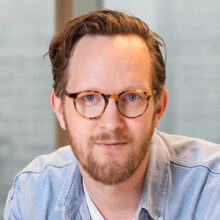
Caleb Salomons Director of Design, Interiors, HOK, Calgary
Caleb is the Director of Design, Interiors at HOK, where he leads high-profile, large-scale workplace design projects for local and international clients. He champions forward-looking design solutions grounded in work-behaviour research and corporate real estate best practices. With expertise blending progressive design and practicality, Caleb advocates for thoughtful design. Design that is responsive and strategic. Design that is technically well-crafted and future-ready. Design that is rich, layered and bold. Caleb is a regular contributor to HOK’s Thought Leadership and his work has been recognized with regional and international design awards.
- Early
- $65
- Regular
- $85
10:00 AM – 11:00 AM
Construction keynote – Build lower mainland: three elections down, what comes next?
Location: BUILDEX Main Stage (Booth 843)
- Construction & Trades
- Homebuilding & Renovation
Streams: Economics, Legal, Regulatory & Risk Management
Building Types: Commercial, Industrial, Institutional, Mixed-Use, Residential: Multi-Unit, Residential: Single-Unit
Partners: Vancouver Regional Construction Association (VRCA)
With municipal, provincial, and federal elections behind us, the focus now shifts from campaign promises to action. This panel will bring together perspectives from all three levels of government and the construction industry to explore what is already underway, what priorities are emerging, and where greater collaboration is needed. From housing and infrastructure to permitting, procurement, workforce development, and project delivery, the conversation will focus on the decisions shaping what gets built across the province. This will be a candid, solutions-focused discussion about bridging the gap between government and industry, creating greater certainty, and working together to build the communities our growing region needs.
- FREE
Presenting Partner

10:30 AM – 11:30 AM
Financing the mass timber value chain: from factory to project
Location: Rooms 208/209
- Architecture
- Construction & Trades
- Engineering
- Homebuilding & Renovation
Streams: Technology, Innovation & Smart Buildings
Tracks: Prefabrication, Modular & Offsite Construction; WoodWorks at BUILDEX
Building Types: Commercial, Institutional, Residential: Multi-Unit, Residential: Single-Unit
Partners: Canadian Wood Council (CWC)
Financing barriers are slowing mass timber and advanced wood systems across the value chain, from manufacturers needing capital to secure production capacity or expand facilities, to developers facing collateral and draw-timing mismatches. Panelists will explore underwriting gaps, risk-sharing models, and emerging tools ranging from milestone-based draws to manufacturer-focused capital solutions. Attendees will learn how lenders evaluate mass timber risk, what financing structures are emerging, and how to position their projects or facilities for financing. Designed for an intermediate audience with some familiarity with construction finance, this session is suited to lenders, developers, manufacturers, and policy professionals working in real estate development and climate finance.
Speakers

Michaela Neuberger Executive Director, Affine Climate Solutions
Michaela Neuberger is the Executive Director of Affine Climate Solutions, a climate advisory that accelerates investment in low-carbon, climate-resilient buildings by connecting financial institutions, real estate leaders, governments, and industry partners. She leads the development of business cases, financing solutions, market tools, and partnerships that support building decarbonization, climate resilience, and innovative construction.
With more than 15 years of experience across the private and public sectors, Michaela combines technical expertise and strategic leadership to turn ambitious climate goals into practical action. Before joining Affine, she managed operational improvement projects in the construction industry across England, Germany, and France. In Canada, she has led market transformation initiatives for BC Hydro and the City of Vancouver, and she contributes to the National Building Decarbonization Alliance and BC’s Building Electrification Coalition.
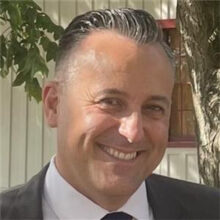
Jim Vela Director, Commercial Real Estate, Vancouver City Savings Credit Union
Jim Vela is Director of Commercial Real Estate at Vancity, where he leads a team responsible for originating, structuring, and managing complex commercial and construction financing across residential, commercial, industrial, and mixed-use properties. He drives portfolio growth, oversees credit risk, and builds relationships with developers, investors, and industry partners.
With nearly 30 years of experience in commercial lending, portfolio management, and real estate finance, Jim has held progressively senior roles at Vancity and across the financial services sector. His expertise includes underwriting, financial analysis, loan structuring, and client relationship management. Known for his collaborative leadership and strong market knowledge, he is committed to mentoring high-performing teams and delivering strategic financing solutions that support client success and organizational objectives.

Colin Guldimann Senior Director, Sustainable Finance, Royal Bank of Canada
Colin is a Senior Director within RBC’s Sustainable Finance Commercial Banking group and works with RBC’s business banking clients to integrate ESG factors into their debt financing. He also advises them on emerging trends in climate while guiding their decarbonization strategies. An economist by background, Colin has authored several major reports for RBC on the interface between climate change and the Canadian economy, including "The $2 Trillion Transition" and "High Rise, Low Carbon." Prior to joining RBC, Colin worked on mortgage and macro-financial policy for the Department of Finance Canada.
- Early
- $65
- Regular
- $85
Presenting Partner

10:30 AM – 11:30 AM
Policy to practice: structural engineers and embodied carbon
Location: Rooms 218/219
- Architecture
- Engineering
Streams: Sustainability, Decarbonization & High-Performance Buildings
Building Types: Civil / Infrastructure, Commercial, Industrial, Institutional, Mixed-Use, Residential: Multi-Unit, Residential: Single-Unit
Partners: Engineers and Geoscientists BC (EGBC)
What are the professional obligations and responsibilities of structural engineers in addressing current and emerging embodied carbon policies, codes, and standards? This presentation examines changes in the embodied carbon regulatory and professional practice landscape. The session clarifies the professional responsibilities and practice expectations of structural engineers of record in relation to embodied carbon, including calculation, reporting, design decision-making, and coordination through project delivery. Real world examples demonstrate efficient structural designs that reduce both cost and carbon, and the structural engineer’s role in achieving these outcomes. Learning objectives include understanding embodied carbon obligations, policies and guidance, evaluating cost-saving case studies, and applying practical strategies in structural design.
Speakers
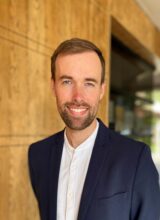
Forest Borch Planner, Embodied Carbon, City of Vancouver
Forest Borch, P.Eng., is a Planner with the City of Vancouver, where he leads implementation of embodied carbon policy and guidance under the Vancouver Building Bylaw. His work supports the City’s target of reducing embodied carbon emissions from new construction by 40% by 2030. With more than 10 years of experience across engineering, consulting, and municipal policy, Forest has helped organizations deliver practical strategies to reduce embodied carbon through design, material selection, and life cycle assessment. He contributed to the development of Engineers and Geoscientists BC’s Practice Advisory on Embodied Carbon and is an active leader with CLF BC and the Bio-Based Materials Collective. Forest regularly presents on embodied carbon policy and practice across Canada.

Harshan Radhakrishnan Acting Manager, Professional Practice Advice Program, Engineers and Geoscientists BC
Harshan Radhakrishnan is the Acting Manager of the Professional Practice Advice Program at Engineers and Geoscientists BC. He has considerable experience developing professional practice resources, regulating the engineering and geoscience professions, professional development, policy, and sustainability. At EGBC, Harshan has supported the integration of climate change into its Strategic Plan, led the development of its Organizational Climate Change Strategy, and helped incorporate climate risk management into professional practice guidelines. In his current role, he oversees advice and resources that support registrants in meeting their professional and regulatory obligations.

Caroline Butchart Senior Design and Sustainability Lead, ASPECT Structural Engineers
Caroline is a senior structural designer and sustainability lead at ASPECT Structural Engineers, with over a decade of experience working on large-scale, architecturally ambitious projects across the UK, Europe, and Canada. She holds a Master’s degree in Architecture and Structural Engineering from the University of Leeds and has focused her career on reducing construction-related emissions. Specializing in low-carbon design and design for disassembly, she is particularly passionate about integrating circular strategies into the built environment.
Caroline is an active voice in the field, serving on the CAGBC Technical Advisory Group on Embodied Carbon, contributing to the EGBC Practice Advisory on Embodied Carbon for Structural Engineers, and volunteering with the Carbon Leadership Forum BC Chapter.

Rory Roberts Project Engineer, Director of Sustainability, Glotman Simpson
Rory Roberts, P.Eng., is Director of Sustainability and a Project Engineer at Glotman Simpson Consulting Engineers. He leads the firm’s sustainability initiatives, with a focus on embodied carbon reduction, life cycle assessment, and the integration of sustainability into structural engineering practice. As both a sustainability leader and practicing engineer, Rory works with project teams to ensure environmental goals are achieved through practical and economic solutions, targeting early design efficiencies to combine cost savings and embodied carbon reduction. His recent work includes leading Glotman Simpson’s online blog series ‘On Track’, embodied carbon studies, internal tool development, and policy-focused research – including a case study evaluating the embodied carbon of the Sen̓áḵw development against the Vancouver Building By-law and a review of the embodied carbon savings for the mass timber North Shore Neighborhood Phase 2 tower.
- Early
- $65
- Regular
- $85
Presenting Partner

10:30 AM – 11:30 AM
Construction contracts 101
Location: Room 221
- Architecture
- Construction & Trades
- Property Management & Building Operations
- Engineering
Streams: Economics, Legal, Regulatory & Risk Management
Building Types: Commercial, Industrial, Institutional, Mixed-Use
Construction projects vary widely and each one has its own unique challenges and obstacles to overcome. Capturing the nuance of each project in a contract is tricky business, but it is essential that those working in the construction industry be knowledgeable about the limitations and pitfalls of commonly used contracts. In this session, the speakers will put the "fun" in fundamentals of construction contracts by introducing the foundations, canvassing commonly used forms of contract, highlighting key provisions to which you should pay close attention, and touching on recent contract trends in the industry. In particular, special attention will be paid to the documents prepared by the Canadian Construction Documents Committee including the CCDC 2, CCDC 3, CCDC 5A, CCDC 5B, CCDC 30 and CCDC 32.
Speakers

Chris Eagles Partner, Borden Ladner Gervais LLP
Chris Eagles is a partner in BLG’s Vancouver office who focuses his practice in the areas of public-private partnerships, procurement, and infrastructure. His expertise includes: drafting, negotiating and reviewing public-private partnerships, design-build, integrated project delivery, construction, consulting, supply and related agreements; and working with project technical (engineering and architectural) teams to review and integrate specifications with the other contract documents.

Bill Woodhead Partner, Borden Ladner Gervais LLP
Bill Woodhead is a partner at Borden Ladner Gervais LLP in Calgary, Alberta and Vancouver, British Columbia. Bill focuses his practice in the areas of procurement and construction law. He acts for public and private owners, contractors, engineers, subcontractors, and suppliers, drafting and negotiating procurement documents and the various agreements required to design, procure and construct any asset. Bill often speaks at construction and industry conferences on all aspects of construction and procurement law.
- Early
- $65
- Regular
- $85
10:30 AM – 11:30 AM
Beyond compliance: applying the 2024 BCBC to achieve better accessible design
Location: Room 222
- Architecture
- Construction & Trades
- Property Management & Building Operations
- Engineering
- Homebuilding & Renovation
- Interior Design
- Cross-Industry
Streams: Economics, Legal, Regulatory & Risk Management
Building Types: Commercial, Institutional, Mixed-Use
Knowing the requirements of Section 3.8 Accessibility of the 2024 British Columbia Building Code is one thing. Understanding why those requirements exist and how design decisions can prevent barriers to create truly usable spaces is another. This interactive technical session moves beyond a checklist approach to accessibility. Through real-world case studies, participants will revisit key Section 3.8 requirements and explore how the Code’s functional and objective statements can inform more intentional design decisions. The presenters will examine common accessibility challenges, practical ways to identify and prevent barriers, and examples where universal design principles can improve usability without compromising project requirements. Designed for architects, interior designers, engineers, code consultants, contractors, and other building professionals, this session will equip participants to approach accessibility as both a regulatory requirement and a design opportunity.
Speakers

Randi MacAlpine Technical Accessibility Consultant, ABE Factors Inc.
Randi MacAlpine is a Technical Accessibility Consultant and certified RHFAC Professional with a Master’s in Architecture and a specialization in neurodiverse design. She sits on the RHFAC Technical Subcommittee and is well versed in comprehensive design criteria intended to help built environment professionals design more accessible, inclusive, and sensory-supportive spaces for the full range of human experience. At ABE Factors, she conducts technical accessibility reviews and assessments across a wide range of building typologies, bringing both regulatory fluency and a human-centred lens to every project.

Brieann Ventura Senior Technical Accessibility Consultant, ABE Factors Inc.
Brieann Ventura, CTech, RHFAC, is a Senior Technical Accessibility Specialist and inter-provincially trained Building Code Consultant with over 10 years of experience interpreting a wide range of accessibility-related codes, standards, and certifications. Her project portfolio includes complex mixed-use developments, civic facilities, transportation hubs, industrial spaces, and more. She contributes her expertise to several national accessibility technical committees, including Accessible Standards Canada’s Accessible Ready Modular Homes and the Canadian Board for Harmonized Construction Codes (CBHCC) Accessibility Committee. In addition to her committee work, Brieann is active in the community, delivering presentations and training sessions to professionals across the built environment sector. With a focus on creating spaces that are functional, aesthetically thoughtful, and intrinsically inclusive, she brings both technical precision and design innovation to her work.
- Early
- $65
- Regular
- $85
11:30 AM – 12:30 PM
Designing with nature: biophilic innovation in contemporary practice
Location: BUILDEX Main Stage (Booth 843)
- Architecture
- Construction & Trades
- Engineering
- Interior Design
Streams: Design Concepts, Health & Wellness
Tracks: WoodWorks at BUILDEX
Building Types: Commercial, Industrial, Institutional, Mixed-Use, Residential: Multi-Unit
Partners: Canadian Wood Council (CWC)
Biophilia, the innate human tendency to seek connections with nature, has become increasingly central to contemporary architectural discourse. Amid rapid urbanization and technological acceleration, engagement with the natural environment offers a vital sense of grounding. This panel brings together leading architects to examine how biophilic principles shape their respective practices. Drawing on recent projects, the panelists will share strategies for weaving together ecology, place, and human experience to create buildings and public spaces that deepen our relationship with the natural world and enrich the communities they serve.
Speakers
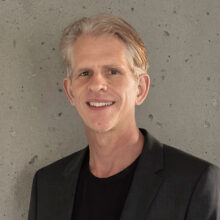
Greg Boothroyd Principal, Patkau Architects
Greg is a driving force behind Patkau Architects, one of Canada’s most innovative design studios. A true generalist, Greg provides design leadership from the inception of projects to their completion. Greg began his architecture career with a rejection letter from Patricia Patkau, Chair of UBC Architecture’s Admissions Committee. He was eventually admitted and finished his degree under Patricia’s mentorship. Upon graduation, Greg received the RAIC Gold Medal for academic excellence.
Since joining Patkau Architects in 1997, Greg has led a variety of projects, from residences to landmark institutional buildings. Characterized by simple, elegant solutions to complex problems, Greg’s ability to identify opportunities and develop thoughtful architectural responses continues to distinguish his career. A firm believer in collaboration, Greg’s ability to lead large, multifaceted teams and diverse stakeholder groups has contributed significantly to his success across Canada.
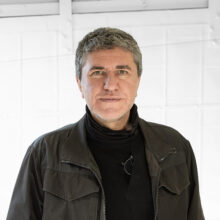
Venelin Kokalov Principal, Revery Architecture
Venelin Kokalov is the Design Principal and Owner of Revery Architecture, an internationally recognized practice known for architecture that connects people, nature, and emotion. His work explores the power of beauty, memory, light, and human experience through projects ranging from cultural facilities and civic spaces to transformative urban developments. Venelin believes that architecture should do more than function efficiently – it should inspire, engage the senses, and enrich the way we live.

Sindhu Mahadevan Principal, Michael Green Architecture
Sindhu has over ten years of experience in designing and delivering innovative, high-performance mass timber projects, and a demonstrated history of developing strategic research and knowledge-sharing initiatives in architecture. Originally from India, Sindhu’s passion for meaningful sustainability has led her to pursue academic and professional opportunities in Toronto and Vancouver. Having led a broad range of typologies, including academic, residential, and office projects in Canada and the USA, Sindhu has a commitment to successful project delivery through innovative material choices, collaborative design processes, and thoughtful management strategies. In parallel, she contributes to various speaking engagements and industry publications on low-carbon design, prefabrication, and material circularity, and strengthens MGA’s R+D expertise and strategic research partnerships.
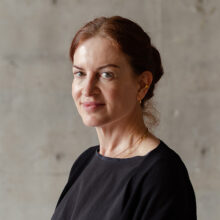
AnnaLisa Meyboom Associate Professor, School of Architecture and Landscape Architecture (SALA), University of British Columbia
AnnaLisa Meyboom is an Associate Professor at UBC’s School of Architecture and Landscape Architecture. Her research focuses on the intersection of design, technology, and the environment, particularly in advanced architectural design processes, robotic fabrication of wood, urban informatics and future infrastructures. She has a particular interest in the potential of digital fabrication and robotics to enable new modes of design and construction in wood, as well as the implications of future technologies on how we design our cities.
AnnaLisa has a Master’s in Architecture from UBC and a Civil Engineering degree from the University of Waterloo. She has been a visiting professor, lecturer and invited critic at a number of universities, including the University of Stuttgart, University of Toronto, Harvard University, University of Virginia, South-East University in China, and the University of Calgary.
- FREE
Presenting Partner
11:45 AM – 12:45 PM
Speed networking – Wednesday
Location: Networking Hub (Booth 312)
- Architecture
- Construction & Trades
- Property Management & Building Operations
- Engineering
- Homebuilding & Renovation
- Interior Design
- Cross-Industry
Building Types: Civil / Infrastructure, Commercial, Industrial, Institutional, Mixed-Use, Residential: Multi-Unit, Residential: Single-Unit
The built environment’s version of speed dating, this memorable fast-paced event introduces you to a wide range of design, building, construction, and real estate industry professionals, so your networking time is optimized for efficiency and impact.
- FREE
1:00 PM – 2:00 PM
Beyond carbon: the new business case for solar and battery
Location: Rooms 218/219
- Architecture
- Construction & Trades
- Property Management & Building Operations
- Engineering
- Homebuilding & Renovation
Streams: Sustainability, Decarbonization & High-Performance Buildings
Building Types: Civil / Infrastructure, Commercial, Industrial, Institutional, Mixed-Use, Residential: Multi-Unit, Residential: Single-Unit
BC’s clean electricity grid creates a distinctive opportunity for solar PV and BESS. As electrification, peak demand costs, resilience needs, grid constraints, and evolving utility programs reshape building operations, these technologies can deliver value in ways many owners may not yet have considered. This session looks beyond the equipment to the owner’s business case, exploring how PV can reduce energy costs and support future loads, while BESS can add value through demand management, demand response, resilience, and operational flexibility. Using BC-specific conditions and case studies from across Canada, attendees will learn how to identify high-value opportunities, compare PV, BESS, and combined systems, manage project and lifecycle costs, and align system design with long-term asset objectives. The session will also highlight incentives, utility programs, and funded feasibility studies that can help owners move from an initial idea to an informed investment decision.
Speakers

Sunny Ghataurah President, AES Engineering
Sunny Ghataurah is the President of AES Engineering with over 30 years of experience in the design and construction industry. With his passion for technology, a rich understanding of the building and infrastructure industry, and sensitivity to design simplicity, Sunny is an active advocate for advancements in technology and innovation to improve people’s lives. Sunny helps teams focus on user experience and behavioral change that in turn achieves true sustainable results. Being a technophile, Sunny has his finger on the pulse of the industry. An experienced public speaker and recognized industry thought leader, Sunny shares insights on emerging trends and paradigm shifts transforming the built environment. In addition to contributing to award-winning projects, he was recognized as one of Business in Vancouver’s Top Forty Under 40.

Victor Lu Principal, AES Engineering
Victor Lu combines academic research, hands-on field experience, and integrated electrical systems design with a data-driven approach to energy infrastructure. His work spans Solar PV, BESS, EV charging, building electrification, and decarbonization, with a particular focus on translating emerging technologies into practical, investable solutions. He advises owners on energy generation, storage, demand management, resilience, grid integration, and utility opportunities, while evaluating the broader commercial context of rates, incentives, constraints, operating requirements, and lifecycle cost. By integrating engineering judgement with real-world implementation and business-case analysis, Victor helps organizations identify high-value opportunities and make informed, future-ready energy investments.
- Early
- $65
- Regular
- $85
1:00 PM – 2:00 PM
Under the hard hats: human minds at work
Location: Room 221
- Construction & Trades
- Homebuilding & Renovation
Streams: Workforce Solutions, Business Strategy & Leadership
Building Types: Civil / Infrastructure, Commercial, Industrial, Institutional, Mixed-Use, Residential: Multi-Unit, Residential: Single-Unit
25% of the construction workforce is neurodivergent, meaning that 1 in 4 workers has a diagnosis of ADHD, autism, dyslexia, dyscalculia, or other conditions. This also means that a significant portion of your workforce isn’t designed to fit the existing architecture for success, but we have an opportunity to build better architecture for everyone. Under the Hard Hats (UTHH) demonstrates how embracing neurodiversity is an underutilized tool for recruitment, retention, and boosting productivity in the skilled trades. Participants will gain a high-level understanding of different neurodivergent conditions and how they might show up in the trades, an introduction to neuro-inclusivity and psychological safety, a new perspective on "accommodations" that support everyone, and actionable steps that organizations and individuals can take to build better architecture for success.
Speakers

Alex Knight President, Neurodiversity Strategist, Iron & Ember Consulting Inc.
Alex Knight is the president of Iron & Ember and is the only consultant in the world operating at the intersection of neurodiversity, skilled trades, organizational psychology, and environmental design. She strongly believes that supporting neurodivergent individuals benefits minds of all kinds. With honesty, soul, and an unwavering belief in human potential, Alex is pioneering the integration of psychological safety and neurodiversity in Canada’s construction industry.
- Early
- $65
- Regular
- $85
1:00 PM – 2:00 PM
What am I lighting? Lighting design versus sustainability
Location: Room 222
- Architecture
- Interior Design
Streams: Design Concepts, Health & Wellness
Building Types: Civil / Infrastructure, Commercial, Industrial, Institutional, Mixed-Use, Residential: Multi-Unit
Have we lost sight of true lighting design as sustainability becomes the primary driver of project decisions? Lighting designers often rely on IES Recommended Practices for illumination levels while balancing sustainability requirements such as LEED and energy code compliance, including ASHRAE standards. When you add occupant mandates like WELL and Rick Hansen accessibility guidelines, the challenge of making everything work together can feel overwhelming. This session examines how lighting designers work through sustainable and occupant mandates while bringing architects’ and interior designers’ visions to life. Attendees will understand how lighting design can bring dynamism and drama to a space, learn how IES Lighting Recommended Practices serve as baseline references with some exceptions, discover how sustainable and occupant mandates impact lighting design, and explore how lighting design and sustainability can be achieved together through case study projects.
Speakers

Victor Quezada Principal, Architectural Lighting Team Lead, AES Engineering
Victor is a Principal and Architectural Lighting Team Lead at AES. He has specialized in lighting design since 2008 when he founded Render Light and Planning, Inc. Victor holds an MFA from the California Institute of the Arts and has a strong background in visual and conceptual art. His design and product expertise contribute to a project’s overall beauty and sustainability and facilitate the aesthetic integration of the lighting solution with the overall architecture and built environment.
Victor’s award-winning work has been recognized by the Illuminating Engineering Society (IES), including an IES Vancouver Award of Merit and multiple IESBC and IESNA Awards of Merit. His projects and insights have been featured in LD+A and Design Quarterly. An active industry speaker, he has presented at various events on the topics of lighting design, sustainability, architecture, and human well-being.
- Early
- $65
- Regular
- $85
1:00 PM – 2:00 PM
Office of the future: integrating hospitality, technology, cobots & AI | Part 2
Location: TECHCENTRIC Stage (Booth 1603)
- Interior Design
Streams: Technology, Innovation & Smart Buildings
Tracks: Artificial Intelligence
Building Types: Commercial, Industrial, Institutional, Mixed-Use
Building on the vision presented in Part 1 in February 2025, this session explores how smart technologies, traditional systems, AI, and workflows can be integrated to create the office of the future. Using AES Vancouver as a real-world case study, presenters will share the journey from concept to implementation, including key lessons learned, challenges overcome, and opportunities realized. The presentation examines technology integration across multiple vendors, the challenges of aligning systems with user experience, and the strategies that drove successful adoption. Attendees will gain practical insights into connecting digital systems, building technologies, and traditional workplace elements to enhance employee experience, operational efficiency, and long-term business value. This session will discuss how AES Vancouver successfully connects smart technology and workflows, the opportunities unlocked through implementation, and strategies for integrating technologies and building systems to maximize value.
Speakers
Sunny Ghataurah President, AES Engineering
Sunny Ghataurah is the President of AES Engineering with over 30 years of experience in the design and construction industry. With his passion for technology, a rich understanding of the building and infrastructure industry, and sensitivity to design simplicity, Sunny is an active advocate for advancements in technology and innovation to improve people’s lives. Sunny helps teams focus on user experience and behavioral change that in turn achieves true sustainable results. Being a technophile, Sunny has his finger on the pulse of the industry. An experienced public speaker and recognized industry thought leader, Sunny shares insights on emerging trends and paradigm shifts transforming the built environment. In addition to contributing to award-winning projects, he was recognized as one of Business in Vancouver’s Top Forty Under 40.

Denise Hutchings Principal, Smart Building Technology and Innovation, AES Engineering
Denise is a Principal with AES Engineering who is passionate about delivering innovative, future-focused technology solutions. With more than 18 years of experience in the IMIT sector, she brings extensive expertise in communications and building technologies, including cabling infrastructure, telecommunications, security systems, audio solutions, event workflow management, and systems analytics software.
Denise specializes in smart active network design and the integration of building systems and subsystems that enhance performance, connectivity, and user experience. She is committed to bringing together technology, people, and processes to create effective, sustainable outcomes that support long-term success.
Known for her technical expertise, collaborative leadership style, and strong drive for excellence, Denise consistently helps clients and project teams achieve successful results through innovation, teamwork, and practical problem-solving.
- Early
- $65
- Regular
- $85
1:30 PM – 2:30 PM
Networking mixer: ICI construction & trades professionals
Location: Networking Hub (Booth 312)
- Construction & Trades
Building Types: Civil / Infrastructure, Commercial, Industrial, Institutional, Mixed-Use
This mixer is an opportunity for ICI construction and trades professionals to connect with industry peers in a relaxed yet productive environment. Attendees will have the opportunity to make new connections, share operational insights, and discuss the pressing issues facing the ICI sector.
- FREE
2:30 PM – 3:30 PM
Payment certification best practices and the CPPA
Location: Room 224
- Architecture
- Construction & Trades
- Property Management & Building Operations
- Engineering
- Homebuilding & Renovation
- Interior Design
- Cross-Industry
Streams: Project Planning, Procurement, Management & Delivery
Building Types: Civil / Infrastructure, Commercial, Industrial, Institutional, Mixed-Use, Residential: Multi-Unit, Residential: Single-Unit
Effective payment certification is critical to keeping construction projects and payments moving. This session will examine best practices for reviewing applications for payment, assessing work completed, managing documentation, communicating payment decisions, and avoiding common certification problems. It will also look at how BC’s Construction Prompt Payment Act will interact with existing payment certification processes, including proper invoices, statutory timelines, and notices of non-payment. This session is intended for owners, consultants, architects, engineers, contract administrators, project managers, contractors, and subcontractors.
- Early
- $65
- Regular
- $85
2:30 PM – 3:30 PM
How oversizing happens: improving mechanical system design in commercial buildings
Location: Rooms 215/216
- Construction & Trades
- Property Management & Building Operations
- Engineering
Streams: Sustainability, Decarbonization & High-Performance Buildings
Tracks: Property Management Solutions
Building Types: Commercial, Institutional, Mixed-Use
Mechanical equipment in commercial buildings is often sized using conservative assumptions, legacy rules of thumb, and layered safety factors. While intended to reduce risk, oversizing can increase capital costs, energy use, equipment cycling, peak electrical demand, and the likelihood that electrification projects require costly electrical upgrades.
This presentation shares preliminary findings from a BOMA BC study examining how heating and cooling equipment sizing decisions are made and where oversizing enters the design and construction process. Drawing on a review of current practices and standards, along with extensive interviews with mechanical and electrical engineers, contractors, equipment suppliers, and commissioning agents, the session will identify key barriers to better sizing. It will also estimate potential savings from reducing oversizing and present policy and program ideas that could help drive industry change.
Speakers

David Ramslie Vice President, Climate & Sustainability, North America, Introba Canada LLC
Dave Ramslie is Vice President of Climate and Sustainability for Introba, North America, where he leads efforts to advance low carbon, resilient buildings, and communities. Over a 20 year career spanning urban planning, public policy, green building, and climate technology, Dave has focused on translating ambitious climate goals into practical strategies for the built environment, with experience in policy development, land use planning, urban design, building decarbonization, and industry transformation. Dave has been inducted into Canada’s Clean50, named a Green Building Champion by the Canada Green Building Council, and recognized by the Natural Resources Defense Council as one of nine global leaders advancing climate action in cities. His contributions to Vancouver’s Greenest City Action Plan have also been recognized by the World Green Building Council and World Wildlife Fund.

Elyse Henderson Market Transformation Sector Lead, Buildings and Power Efficient Design, BC Hydro
Elyse works with government and industry to advance codes, policy, and standards for efficient low-carbon electrification of buildings, transportation, and communities. Previous work includes whole-building energy modelling, emission reduction feasibility studies, and research to inform policy and program development. As a detail-oriented environmental chemist (MSc) by training, she also has expertise in lab testing, complex data analysis techniques, and scientific communication, including grant writing and public presentations.
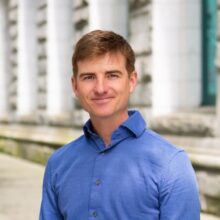
Kevin Cant Program Manager, BOMA BC
Kevin is a program manager with BOMA BC’s Decarb Accelerator program with over 10 years of experience in energy modelling and building performance. His focus with the Decarb Accelerator involves guiding building owners, operators, and managers towards meaningful and cost-effective carbon reductions in their commercial properties.
- Early
- $65
- Regular
- $85
2:30 PM – 3:30 PM
Contech showcase, presented by the ConstructIQ Advisory
Location: TECHCENTRIC Stage (Booth 1603)
- Architecture
- Construction & Trades
- Property Management & Building Operations
- Engineering
- Homebuilding & Renovation
Streams: Technology, Innovation & Smart Buildings
Building Types: Civil / Infrastructure, Commercial, Industrial, Institutional, Mixed-Use, Residential: Multi-Unit, Residential: Single-Unit
AI activity across the construction industry is high, yet few firms have translated that momentum into operational gains in revenue, margin, or capacity. This showcase reveals where AI is delivering results through business development, preconstruction, and project delivery, ultimately contributing to increased pursuit capacity, faster bids, and fewer downstream misses. Drawing from operational AI sprints executed within active construction firms, this session highlights the workflows and solutions that are turning AI activity into measurable outcomes. Join this session to hear direct operator feedback on what’s working and what to consider as you build your own AI strategy. This is a curated view of what’s actually delivering results, built specifically for leaders responsible for pipeline, preconstruction, and project delivery.
Speakers

Shawn Gray CEO, ConstructIQ Advisory
Shawn Gray is the Founder of ConstructIQ Advisory, specializing in turning AI from fragmented experimentation into measurable gains in revenue, cash flow, cost, and capacity. He works with mid-market construction and real estate firms to operationalize AI inside live workflows, where results are proven and scaled. Recognized as an ENR Top Global Innovator and one of Canada’s Top 40 Under 40 in construction, Shawn brings nearly two decades of experience across $5B+ in projects and AI initiatives impacting over $25B in construction. He leads industry and government-supported adoption programs focused on proof, capital efficiency, and execution, enabling teams to validate, fund, and scale AI in weeks, not years.
- FREE
Presenting Partner

3:00 PM – 4:00 PM
Networking mixer: building science & engineering professionals
Location: Networking Hub (Booth 312)
- Architecture
- Engineering
Building Types: Civil / Infrastructure, Commercial, Industrial, Institutional, Mixed-Use, Residential: Multi-Unit, Residential: Single-Unit
This mixer is an opportunity for building science and engineering professionals to connect with industry peers in a relaxed yet productive environment. Attendees will have the opportunity to network, exchange technical knowledge, and explore collaborative approaches to advancing sustainable and innovative building solutions.
- FREE
4:30 PM – 6:00 PM
BUILDEX industry networking reception
Location: Central Bar (Booth 931)
- Architecture
- Construction & Trades
- Property Management & Building Operations
- Engineering
- Homebuilding & Renovation
- Interior Design
- Cross-Industry
Building Types: Civil / Infrastructure, Commercial, Industrial, Institutional, Mixed-Use, Residential: Multi-Unit, Residential: Single-Unit
Reconnect with industry peers and make new contacts as professionals from all sectors of the built environment come together at the BUILDEX industry networking reception. Head to the Central Bar for complimentary drinks, live music, and networking between 4:30pm and 6:00pm on Wed., February 10.
- FREE
Thursday, February 11
My Cart9:00 AM – 10:00 AM
Mass timber in healthcare: a case study
Location: Rooms 208/209
- Architecture
- Construction & Trades
- Engineering
- Interior Design
Streams: Project Planning, Procurement, Management & Delivery; Sustainability, Decarbonization & High-Performance Buildings
Tracks: Prefabrication, Modular & Offsite Construction; Public Sector; WoodWorks at BUILDEX
Building Types: Institutional
Partners: Canadian Wood Council (CWC)
This panel brings together the client, architect, and structural engineer to share the story behind the BC Children’s Hospital centre for health complexity, a 166,000-square-foot hybrid mass timber healthcare facility in Vancouver. Panelists will explore why mass timber was selected, how it supports therapeutic design and user experience, and the collaborative process that shaped this project.
The discussion will cover hybrid structural solutions, full-scale suite mock-ups used to engage clinicians, patients, and accessibility consultants, and lessons learned balancing architectural expression, clinical requirements, constructability, and sustainability. Attendees will gain practical insights into applying mass timber in complex institutional projects where performance, occupant wellbeing, and operational needs must align.
Speakers

Juan Jose Cruz Martinez Senior Director of Major Capital Projects, Provincial Health Services Authority
Juan Jose Cruz Martinez serves as the Senior Director of Major Capital Projects with the Provincial Health Services Authority (PHSA). In his role, he provides strategic leadership for the planning and delivery of large-scale healthcare infrastructure at BC Children’s and Women’s Hospital, aligning capital investments with clinical, operational, and system priorities. He oversees the delivery of a first-of-its-kind BC Children’s Hospital centre for health complexity. With nearly two decades of experience, Juan has led design and procurement efforts in both the private and public sectors, specializing in health-care and mass timber projects. He holds a Master of Architecture from the University of Seville and a Master of Design from the University of New South Wales. He is also a LEED Green Associate and holds an Evidence-Based Design Accreditation (EDAC).

Robert Jackson Partner, Fast + Epp
Robert Jackson is a Partner at Fast + Epp, where he leads projects spanning diverse sectors, scales, and material systems across Canada and the United States. A recognized leader in mass timber design, he has contributed to landmark projects including Brock Commons Tallwood House, Limberlost Place, The Hive, and the PNE Freedom Mobile Arch. Most recently, Robert led the structural design for BC Children’s Hospital centre for health complexity, developing a hybrid mass timber and steel solution that met the specialized performance requirements of a modern healthcare facility.
Robert is also a frequent contributor to research publications and industry initiatives, sharing knowledge that advances the adoption of mass timber and supports the continued evolution of structural design practices.
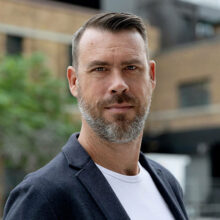
Duncan Bates Principal, Diamond Schmitt Architects
Duncan Bates approaches architectural design through a critical understanding of how buildings shape, and are shaped by, their social and geographic context. He brings a belief in the cultural value of shared spaces to every project he leads.
At Diamond Schmitt, Duncan has led design, production, and delivery for civic, cultural, healthcare, and mixed-use projects. He was design and project lead for Waterworks, a heritage adaptive reuse development in downtown Toronto with a YMCA, retail space, and 290 residential units. He also led the competition-winning Baker District masterplan in downtown Guelph and now leads design and delivery of its proposed 88,000-sf Central Library, designed for net-zero certification. His recent work includes BC Children’s Hospital Centre for Health Complexity, a first-of-its-kind Canadian facility for children and youth with complex healthcare needs.
- Early
- $65
- Regular
- $85
Presenting Partner
9:00 AM – 10:00 AM
When outside air goes bad: making buildings breathe better
Location: Room 221
- Architecture
- Construction & Trades
- Property Management & Building Operations
- Engineering
- Homebuilding & Renovation
- Interior Design
- Cross-Industry
Streams: Design Concepts, Health & Wellness
Building Types: Commercial, Institutional, Mixed-Use, Residential: Multi-Unit
Wildfire smoke is no longer an occasional event, it’s becoming a building design consideration. How do we create affordable buildings that remain comfortable, healthy, and resilient when outdoor air quality deteriorates? Using Brightside’s Timbre & Harmony Passive House project alongside recent retrofit and affordable housing projects, this session will give architects and consultants practical insights into designing for a changing climate. We’ll explore the added design, envelope, mechanical, and operational strategies needed to protect occupants from wildfire smoke while maintaining energy efficiency, comfort, and affordability. From filtration and ventilation to airtightness, heat recovery, controls, and envelope performance, we’ll examine how early decisions can make a big difference. Attendees will learn how to balance resilience with project budgets and integrate climate adaptation into design, not add it later.
Speakers
Adam James Principal, Ryder Architecture (Vancouver)
Since establishing Ryder in Vancouver in 2017, Adam has led the expansion of the team, which includes architects, designers, technologists, and support staff. As a passionate Passive House designer and advocate, Adam has delivered several certified and high-performance buildings for a range of sectors in Canada, the UK, and Australia. Adam is a member of the Architectural Institute of British Columbia (AIBC) and a chartered architect in the UK. Originally from Newcastle upon Tyne, Adam has lived in Canada since 2006. He studied architecture and planning at Newcastle University and undertook further studies at Kings College, London – earning a master’s in construction law and arbitration. In his adopted home of British Columbia, Adam spends his weekends discovering the mountains and ocean around Vancouver with his family and learning more about Canada, although ice hockey remains a mystery to him.
Shaun St-Amour Manager of Revive, ETRO Construction
Shaun brings a unique combination of expertise, leadership, and passion for high-performance buildings. With extensive knowledge of high-performance building standards and hands-on experience with sustainable materials and methods, Shaun bridges the gap between design intent and construction execution. Beyond ETRO, Shaun contributes to the Passive House Accelerator, organizes zero carbon building tours with ZEBx and hosts building science meet-ups, with his expertise playing a key role in driving decarbonization, resiliency, and efficiency in both new and existing buildings.
- Early
- $65
- Regular
- $85
9:00 AM – 10:00 AM
The opportunity cost: Indigenous-led procurement beyond the checkbox
Location: Rooms 215/216
- Architecture
- Construction & Trades
- Property Management & Building Operations
- Engineering
- Homebuilding & Renovation
- Interior Design
- Cross-Industry
Streams: Project Planning, Procurement, Management & Delivery
Tracks: Indigenous-Led Projects and Design
Building Types: Commercial, Industrial, Institutional, Mixed-Use, Residential: Multi-Unit
In 1997, RBC’s The Cost of Doing Nothing put a price on excluding Indigenous people from Canada’s economy. Thirty years later, Indigenous participation in projects is still measured through spend targets, supplier lists, and subcontracting clauses. The result is a capacity trap: Nations cannot build capacity without projects, and can’t win projects without capacity. This session asks what changes when the Nation is the owner and decision-maker rather than a checkbox in an RFP. Drawing on Sacred Waters’ experience as a development corporation of the Katzie, Kwantlen, and Semiahmoo First Nations, the panel examines where value disappears when engagement begins after scope, delivery models, and commercial terms are fixed. It then explores how ownership, joint ventures, workforce pathways, and long-term operating value can and should be structured earlier. Attendees will learn what questions to ask before the next procurement goes out and a clearer view of The Opportunity Cost of starting too late.
Speakers

Chris Hill Founder, Principal, Chris Hill Consulting
Chris is a strategic leader and construction innovator with 25+ years of experience in finance, development, mass timber, offsite construction, and sustainable building. A CPA and consultant with Sacred Waters Developments, he supports Indigenous-led projects with expertise in industrialized construction, prefabrication, feasibility, and community-centred economic development. He is principal of Chris Hill Consulting Inc. and director of business development at the CLT Centre, advising First Nations, public agencies, and developers on offsite construction strategy, capital investment, and financial modelling. He previously founded BCollective Homes, an award-winning offsite builder that delivered $20M+ in projects and achieved B Corp certification.
Chris holds a BA in Economics and is a Master Residential Builder and Certified Passive House Tradesperson. He serves on the boards of Hiy̓ám̓ Housing Society, Small Housing BC, and Safer Homes BC, and founded the Building Offsite Network.

Jason Hingey Director of Finance, Sacred Waters Developments
Jason Hingley is a real estate finance and housing development leader delivering housing, infrastructure, and community development projects in Canada and the UK. As Director of Finance at Sacred Waters Developments, he leads financial strategy, corporate structuring, capital planning, and investment modelling for large-scale Indigenous development initiatives on behalf of the Katzie, Kwantlen, and Semiahmoo Nations. Jason has overseen housing portfolios, development financing, procurement, governance, stakeholder partnerships, feasibility analysis, funding strategies, construction oversight, operational planning, and long-term asset management. His previous roles include senior housing and regeneration leadership with Manchester City Council and housing development, planning, and finance leadership with Metro Vancouver. He has worked closely with BC Housing, CMHC, lenders, municipalities and Indigenous partners. An ACA, and BFP, Jason is a speaker on housing strategy and development.
Graham Wood CEO, Sacred Waters Developments
Graham Wood, MBA, is CEO of Sacred Waters Developments and a leader in Indigenous-led real estate development, housing strategy, and community-focused economic development. With more than 25 years of experience across public, private, and non-profit sectors, he advances strategic development initiatives on behalf of the Katzie, Kwantlen, and Semiahmoo Nations. Graham specializes in Indigenous land planning, real estate development, housing strategy, and nation-to-nation partnerships. He is known for aligning economic growth with Indigenous values, environmental stewardship, and long-term community prosperity. He holds an MBA from the University of Victoria, a Diploma in Urban Land Economics from UBC Sauder School of Business, and a BA from Simon Fraser University. He serves on the Board of Directors of the BC Non-Profit Housing Association and speaks on Indigenous economic development, housing innovation, reconciliation, and sustainable community-building.
- Early
- $65
- Regular
- $85
10:00 AM – 11:00 AM
Networking mixer: architecture professionals
Location: Networking Hub (Booth 312)
- Architecture
Building Types: Civil / Infrastructure, Commercial, Industrial, Institutional, Mixed-Use, Residential: Multi-Unit, Residential: Single-Unit
This mixer provides architecture professionals a relaxed yet productive environment to connect with industry peers. Attendees will network, exchange ideas, and explore collaborative opportunities while building valuable professional relationships.
- FREE
10:00 AM – 11:00 AM
AI tools you can use tomorrow: practical applications for contractors
Location: TECHCENTRIC Stage (Booth 1603)
- Construction & Trades
- Homebuilding & Renovation
Streams: Technology, Innovation & Smart Buildings
Tracks: Artificial Intelligence
Building Types: Civil / Infrastructure, Commercial, Industrial, Institutional, Mixed-Use, Residential: Multi-Unit
The AI tools gaining traction in construction aren’t the headline-grabbing innovation you might expect. Instead, they are small, practical, and designed to fill the gaps in everyday workflows. This session will demonstrate what is working today, using current tools, real applications, and plain language.
This session features three live demonstrations drawn from actual construction practice, and attendees will learn how to:
- Capture a conversation between a contractor and AI during the drive home from an estimate visit – saving transcription time while surfacing overlooked, critical questions.
- Transform messy site notes into a structured, actionable plan.
- Build a simple AI assistant customized to your trade standards and terminology.
Every demonstration will use current tools and be rebuilt live before the session. Each process will be fully explained, step-by-step, so you can implement these strategies immediately in your own business. This session is designed for small- to medium-sized contractors.
Speakers

Sue Connors Chief Innovation Officer, BCCA
As Chief Innovation Officer at the BC Construction Association, Sue Connors leads the team behind BCCA’s digital platforms, including BidCentral, BC’s largest construction bidding marketplace; Builders Life TalentCentral, addressing workforce development; PermitsCA, a Canada-wide permits intelligence platform; and the BCCA AI Hub, a free set of practical AI tools for the industry. Her work is finding innovative solutions through technology that help people achieve their goals. Her close to forty years in tech includes highlights such as hosting shaw@home, a nineties television series explaining the internet to people who weren’t sure they wanted it, and spending eight years at AbeBooks, joining the Victoria startup in 1999 and helping grow it into a global marketplace of 15,000 booksellers before its acquisition by Amazon. More recently her focus has been on construction, and particularly making technology clear and useful for small and mid-sized firms.
- Early
- $65
- Regular
- $85
10:30 AM – 11:30 AM
Building better schools with wood: lessons from British Columbia
Location: Rooms 208/209
- Architecture
- Construction & Trades
- Engineering
Streams: Project Planning, Procurement, Management & Delivery; Sustainability, Decarbonization & High-Performance Buildings
Tracks: Public Sector; WoodWorks at BUILDEX
Building Types: Institutional
Partners: Canadian Wood Council (CWC)
British Columbia has emerged as a leader in the design and construction of wood schools, with more than 50 K-12 schools incorporating wood into their buildings over the past decade. This session explores lessons learned from completed projects including wək̓ʷan̓əs tə syaqʷəm Elementary School, highlighting how wood can support student wellbeing, sustainability goals, and efficient project delivery. Attendees will gain practical insights into design, procurement, engineering, and construction strategies that are helping shape the next generation of learning environments.
Speakers

Carla Dickof Principal, Director of Research and Development, Fast + Epp
Carla Dickof is a Principal and Director of Research & Development at Fast + Epp, where she combines technical expertise, research leadership, and practical project experience to advance innovative structural solutions. Since joining the firm in 2012 after completing her Master’s degree at the University of British Columbia, she has contributed to many of Fast + Epp’s most notable projects, including The Hive and Ādisōke. As Director of Research & Development, Carla leads the firm’s R&D initiatives, translating research and testing into real-world project applications while contributing to the advancement of timber design more broadly. A recognized expert in mass timber, she is the author of several industry-leading publications.

Brad Doff Senior Manager, Innovation & Sustainability, Forestry Innovation Investment Ltd.
Brad Doff is Senior Manager, Innovation & Sustainability at Forestry Innovation Investment (FII), where he works with industry, designers, researchers, and government to accelerate innovation in sustainable building. Over the past 16 years, he has led initiatives focused on mass timber, embodied carbon reduction, biophilic design, and prefabrication, helping advance resilient, low-carbon, and people-centred approaches to the built environment.

Lindsey Salter Associate, Senior Architect, Thinkspace Architecture® Planning Interior Design Ltd.
Lindsey Salter, Architect AIBC, is an Associate and Senior Architect with Thinkspace Architecture® Planning Interior Design Ltd. She has a strong commitment to design and architecture that is expressed in the projects she has been a part of since joining Thinkspace. Lindsey recently completed work on the new four-storey mass timber SĆIȺNEW̱ SṮEȽIṮḴEȽ Elementary School in South Langford, and is currently working on the stɑtl̓əw̓ Middle School + Emery Dosdall Secondary School project (formerly known as Smith Campus), a 2,800-student school campus in Langley. Over the course of her career, Lindsey has delivered a variety of project typologies, including commercial buildings, multi-family residences, and First Nation spaces.
- Early
- $65
- Regular
- $85
Presenting Partner
10:30 AM – 11:30 AM
The other 8,700 hours: rethinking backup heating for air-source heat pump systems
Location: Rooms 218/219
- Architecture
- Construction & Trades
- Engineering
Streams: Sustainability, Decarbonization & High-Performance Buildings
Building Types: Commercial, Institutional, Mixed-Use, Residential: Multi-Unit, Residential: Single-Unit
Partners: Building to Electrification (B2E)
Air-source heat pumps are increasingly viewed as a cornerstone of building electrification and decarbonization. However, as outdoor temperatures fall, both heating capacity and efficiency decline, often requiring supplemental heat during the coldest hours of the year. This session reframes the design question. Rather than asking whether a heat pump can meet every hour of a building’s heating demand, it asks how much of the year it can operate efficiently and what the most practical strategy is for the remaining hours. Using the concept of the “other 8,700 hours,” the presentation explores how a small number of extreme-weather hours can drive disproportionate cost and system complexity. Through practical examples, the session compares backup heating options, including gas-fired, hybrid, and electric resistance systems. Particular attention is given to the counterintuitive idea that the least efficient heating technology may sometimes be the most practical backup solution.
Speakers

Andrej Simjanov High-Performance Buildings, Remedy Engineering
Andrej Simjanov, P.Eng., is part of the High-Performance Buildings team at Remedy Engineering, where he works on mechanical systems design, energy modelling, commissioning, integrated systems testing, and building performance optimization. His work focuses on helping commercial and institutional buildings perform as intended, with a particular emphasis on practical low-carbon design, HVAC system integration, operational performance, and the gap between design intent and real-world operation. Andrej brings a balanced, evidence-based perspective to building decarbonization, combining technical analysis with an understanding of cost, constructability, controls, commissioning, and long-term operation.
- Early
- $65
- Regular
- $85
Presenting Partner

10:30 AM – 11:30 AM
The project risk management conundrum: from procurement to closeout
Location: Rooms 215/216
- Architecture
- Construction & Trades
- Engineering
Streams: Economics, Legal, Regulatory & Risk Management
Building Types: Civil / Infrastructure, Commercial, Industrial, Institutional, Mixed-Use, Residential: Multi-Unit
Contract risk is an inherent aspect of every project, yet the industry often fails to effectively manage risk that can unintentionally lead to budget and schedule conflict. This session will tackle big-picture issues related to identifying, managing, and effectively controlling and owning risk throughout the project lifecycle, from inception to closeout. The learning objectives will emphasize raising awareness of key factors in project risk assessment, including the availability of design and engineering talent, pre-construction timelines, the quality of project documentation for tendering and building, contract types and risk allocation, competition for resources, effective communication with multiple stakeholders, and the importance of adhering to contract terms and conditions. The best practices to minimize claims and disputes will be discussed, and panelists, with a combined experience of over 120 years in identifying, understanding, and managing risk, will share their insights.
Speakers

Jennifer Choi Associate Counsel, Bennett Jones LLP
Jennifer provides strategic and practical advice to clients on a range of environmental, regulatory and Aboriginal law issues, including those relating to major project development, contaminated property and environmental investigations. Drawing on her scientific background and her experience working as Senior Legal Counsel to a large North American development company, Jenn helps clients obtain environmental approvals, resolve regulatory compliance issues, and negotiate agreements with affected stakeholders. She regularly assists clients in the mining, construction, infrastructure and energy industries with complex commercial matters and understands the importance of balancing business pragmatism with legal risk.
Before attending law school, Jenn obtained a PhD in Biochemistry and Molecular Biology from the University of British Columbia. She enjoys delving into technical evidence and translating scientific and technical issues into persuasive legal argument.
Jerry Crawford Principal Director, KGC Consulting Services Ltd.
Jerry has over 44 years of accumulated experience in the building and civil construction industry working predominantly in Canada on transportation, energy, commercial, industrial, multi-residential, civil, and building infrastructure projects during the procurement, pre-contract, execution, and pos- contract phases. He has international experience working in the USA, Bermuda, and formerly in South Africa and has attended numerous civic court trials for insurance settlements, liens, and claim disputes. Jerry also has extensive experience working on claims and disputes with legal counsel, owners, contractors, subcontractors, and surety companies. Expert report writing and input on issues regarding scope of work disputes, constructability analysis, contract compliance, liens, abandonment, workmanship defects, delays and disruptions are also part of Jerry’s expertise.

Lisa Gibson Principal, Colliers Project Leaders
Lisa Gibson is a Principal with Colliers Project Leaders in Calgary, contributing to regional leadership through operational excellence, business development, and strategic initiatives. With experience across owners, contractors, and owner’s representative consulting, she brings a 360 degree perspective to navigating complexity in the built environment.
Her expertise includes sustainability, lean methodologies, continuous improvement, diversity and inclusion, and mental health in construction and design. She is committed to building a resilient, people centered industry. An active volunteer with SAIT, the Calgary Lean Community of Practice, the Canadian Construction Association and the Calgary Food Bank, Lisa is known for her collaborative leadership and passion for strengthening the design and construction community.

Tom Hawkins Director, Secretariat
Mr. Hawkins is a quantity surveyor and chartered construction manager. Mr. Hawkins specializes in providing independent quantum and damages expert witness, dispute resolution, and strategic advice services to the international construction and engineering industry to resolve issues on complex projects. He has more than 17 years of industry experience working across a variety of sectors on projects in Canada, UK, Europe, Africa, the Middle East, and Asia.
He regularly provides clients with procurement and contract advice and strategic opinion for the avoidance, mitigation, and resolution of disputes. Clients continually trust Mr. Hawkins with their live project matters and dispute situations. Mr. Hawkins is recognised by Lexology as one of the leading Construction Expert Future Leaders likely to be a pre-eminent name of the next generation. Mr. Hawkins works with law firms, government bodies, developers, contractors, and organizations from the full spectrum of the supply chain.
- Early
- $65
- Regular
- $85
10:30 AM – 11:30 AM
From skilled worker to skilled leader: building frontline leadership capacity
Location: Room 221
- Construction & Trades
- Homebuilding & Renovation
Streams: Workforce Solutions, Business Strategy & Leadership
Building Types: Civil / Infrastructure, Commercial, Industrial, Institutional, Mixed-Use, Residential: Multi-Unit, Residential: Single-Unit
The construction industry depends on strong frontline leaders, but many supervisors and managers are promoted because of technical skill rather than leadership readiness. In a tight labour market, the quality of frontline leadership directly affects retention, safety, communication, productivity, and team culture. This session explores how organizations can support the transition from skilled worker to skilled leader with practical tools for communication, feedback, accountability, coaching, and conflict resolution.
Learning outcomes:
- Understand the leadership gap created when technical experts move into people-leadership roles.
- Identify the core behaviours frontline leaders need to retain and engage teams.
- Learn practical tools for giving feedback, managing tension, and setting expectations.
- Explore how to build leadership development into daily operations instead of treating it as a one-time course.
Speakers

Rikka Bouseh President, Envol Solutions Inc.
Rikka is a seasoned HR strategist with 16+ years of experience helping organizations turn people challenges into business advantages. With a unique ability to bridge talent strategy with operational outcomes, she has supported companies across North America – from high-growth startups to complex, multi-national enterprises – in improving performance, navigating change, and accelerating growth through smarter people practices.
- Early
- $65
- Regular
- $85
10:30 AM – 11:30 AM
From data to decisions: smarter space, maintenance, and retrofit strategies
Location: Room 207
- Property Management & Building Operations
- Engineering
Streams: Building Management & Optimizing Building Performance and Net Asset Value
Building Types: Commercial, Institutional, Mixed-Use
As building owners face tighter capital and maintenance budgets, technology is becoming essential to getting more value from existing assets. This session will explore how owners can use occupancy, space-use, and building performance data to make better decisions about space efficiency, adaptive reuse, retrofits, and deferred maintenance. We will discuss how understanding how occupants actually interact with a building can help improve thermal comfort, optimize scheduling, identify underused or overburdened spaces, target HVAC systems that serve the most critical areas, and prioritize maintenance where it will have the greatest impact. Drawing on real client challenges from post-secondary, commercial and healthcare settings, the session will highlight practical ways to inform decisions with better data and move from reactive facility management to a more strategic, proactive approach.
Speakers

Akira Jones Director, Digital Services, H.H. Angus & Associates Ltd.
Akira Jones is a mechanical engineer, Principal, and Director of Digital Services at H H Angus, where he leads a national team advancing digital transformation across the built environment. With over 15 years of experience in the AEC industry, he specializes in applying smart building technologies such as IoT-enabled systems, digital twins, and cloud-based analytics to enhance asset performance, sustainability, and long-term resilience. Akira brings deep expertise in the integration of digital twins, IoT platforms, BIM, and cloud-based data models to support smarter decision-making across building portfolios. His work bridges design, delivery, and operations, with recent initiatives including real-time space utilization analytics for ambulatory clinics and research into efficiency-enabling technologies. Akira leads HH Angus internal research on digital twinning and smart buildings and regularly collaborates with academic and public-sector partners.
- Early
- $65
- Regular
- $85
11:45 AM – 12:45 PM
Speed networking – Thursday
Location: Networking Hub (Booth 312)
- Architecture
- Construction & Trades
- Property Management & Building Operations
- Engineering
- Homebuilding & Renovation
- Interior Design
- Cross-Industry
Building Types: Civil / Infrastructure, Commercial, Industrial, Institutional, Mixed-Use, Residential: Multi-Unit, Residential: Single-Unit
The built environment’s version of speed dating, this memorable fast-paced event introduces you to a wide range of design, building, construction, and real estate industry professionals, so your networking time is optimized for efficiency and impact.
- FREE
1:00 PM – 2:00 PM
From policy to project: how to procure mass timber for public sector buildings
Location: Rooms 208/209
- Architecture
- Construction & Trades
- Engineering
Streams: Project Planning, Procurement, Management & Delivery
Tracks: Prefabrication, Modular & Offsite Construction; Public Sector
Building Types: Institutional
Mass timber is transitioning from an experimental alternative to a mainstream construction method, driven by updated building codes, a growing network of regional fabricators, and corporate net-zero targets. Early design and manufacturing coordination and careful procurement planning can help maintain market competition and achieve the best overall project value. Contributors to the new Mass Timber Procurement Guide share practical lessons, emerging best practices, and real-world examples to help public sector owners and project teams successfully deliver mass timber projects.
Join this session to explore the implications of different delivery models, early contractor involvement, and project team scope. Attendees will gain actionable insights into how procurement decisions influence project outcomes and discover practical approaches for delivering successful mass timber projects.
Speakers

Tom Beeby Director, Turner & Townsend
Tom Beeby is a Director of Project Management at Turner & Townsend, with extensive experience leading complex development and construction projects. Throughout his career, he has held project management roles at Turner & Townsend, Merebrook Projects, Anthem Properties Group Ltd., and UBC Properties Trust, building expertise across the full project lifecycle.
Tom holds a degree in Architectural Engineering (Civil Engineering) from Loughborough University and brings a strong combination of technical knowledge and commercial acumen to his work. His areas of expertise include project management, cost management, contract administration, commercial management, and design management. Known for delivering strategic project outcomes, Tom has a proven track record of guiding multidisciplinary teams and stakeholders through successful project delivery.

Lisa Pryce Principal, Pryce Advisory Services Inc.
Lisa Pryce is the owner of Pryce Advisory Services Inc., a boutique consulting firm in the sunny Okanagan. She has twenty-five years of public sector experience and is adept at developing, leading, and working with cross-functional teams in a variety of industries and environments. Lisa is well recognized in her field for her expertise in construction procurement, contracting and deep-seated understanding of trade agreements and their requirements. As a respected leader, her portfolio spans speaking engagements, teaching, training, and mentoring.
David Todtmann Director, Development & Innovation, Forestry Innovation Investment Ltd.
David Todtmann is Director, Development & Innovation at Forestry Innovation Investment (FII). He leads initiatives that advance mass timber, prefabrication, and innovative wood construction across British Columbia. His work focuses on program development, industry collaboration, research, and market adoption strategies that strengthen B.C.’s wood construction and manufacturing sectors.
- Early
- $65
- Regular
- $85
1:00 PM – 2:00 PM
Complementing a mass timber design with a durable precast concrete envelope system
Location: Room 220
- Architecture
- Construction & Trades
- Engineering
Streams: Project Planning, Procurement, Management & Delivery; Sustainability, Decarbonization & High-Performance Buildings
Tracks: Prefabrication, Modular & Offsite Construction
Building Types: Commercial, Industrial, Institutional, Mixed-Use, Residential: Multi-Unit
Partners: Canadian Precast Concrete Institute (CPCI)
This session looks at the benefits of complementing mass timber designed structures with precast concrete envelope systems specially cast with a wood surface texture and pattern. This new growing construction technique offers many more opportunities in design simplicity and leads to improved durability, sustainability, and energy efficiency with improved comfort and safety. The presentation will show study results of how this technique offers impressive cost reductions and improves construction scheduling by up to 50%. The final result is a long-lasting finish that resists weathering, moisture, and decay. The panel will present different form liner techniques that provide alternative natural appearance and discuss developing technologies such as new joint details. Learn about award-winning project case studies and join the speakers in exploring new opportunities for architectural design maintaining the wholesome appearance of wood finishes from the exterior to the interior of the buildings.
Speakers

Marco Pronto Business Development Manager, Canadian Precast Concrete Institute (CPCI)
Marco has 25+ years in the construction industry. He has worked for consultants, large general contractors, government procurement departments, and now with CPCI. He specializes in construction contracts, procurement, and the bidding process. Marco has experience leading bids for multi-billion-dollar projects, including working on the Site C Dam project and serving as the lead technical proposal bid manager for the winning bid on the Surrey-Langley SkyTrain project.
- Early
- $65
- Regular
- $85
Presenting Partner

1:00 PM – 2:00 PM
Navigating a changing HR landscape: psychological safety, chronic pain, and the opioid crisis
Location: Room 221
- Construction & Trades
- Homebuilding & Renovation
Streams: Workforce Solutions, Business Strategy & Leadership
Building Types: Civil / Infrastructure, Commercial, Industrial, Institutional, Mixed-Use, Residential: Multi-Unit, Residential: Single-Unit
This panel will explore how psychological safety, mental health, chronic pain, and workplace culture intersect on construction worksites. Drawing on insights and perspectives from industry leaders, the conversation will highlight sector specific approaches and initiatives that help employers build safer, more supportive workplaces. The conversation will touch on the future of psychological safety in the sector with anticipated WorkSafeBC regulatory changes, and a balanced discussion of the challenges the industry is navigating.
Speakers
Chris Atchison President, British Columbia Construction Association
Chris Atchison is President of the British Columbia Construction Association (BCCA), the voice of BC’s construction industry. He leads BCCA’s efforts to strengthen the construction sector through workforce development, industry advocacy, innovation, and programs that support the long-term success of construction businesses and workers across the province.
Chris works closely with government, industry, and workforce partners to address complex challenges and advance opportunities for growth and resilience. He represents BC’s construction industry at all levels of government and serves on several key advisory and governance bodies.

Jessica Bonney Strategic Initiatives, British Columbia Construction Association
Jessica Bonney is Strategic Initiatives Manager at the British Columbia Construction Association (BCCA), where she leads and supports cross-functional projects focused on workforce development, workplace culture, industry engagement, and organizational growth. With a background in project management, stakeholder engagement, and strategic communications, Jessica brings a practical, collaborative lens to conversations about building safer, inclusive, and supportive workplaces.
Maria Hudspith CEO, Pain BC
Maria joined Pain BC in June 2010 as the inaugural CEO. With two decades of experience in community development and systems change, Maria has worked to bring Pain BC from concept to reality. Her work has involved mobilizing communities, engaging patients in organizational decision-making, and advancing progressive agendas through policy change and program development.
Pain BC’s Trades and Pain Program helps tradespeople navigate the complex challenge of chronic pain and the impact that it has on individuals, families, communities, and the economy. Taking a bio-psycho-social stance on pain, Pain BC partners with employers to integrate pain management into the heart of corporate culture.
Rory Kulmala CEO, Vancouver Island Construction Association (VICA)
Rory Kulmala is the Chief Executive Officer of the Vancouver Island Construction Association (VICA), bringing more than 30 years of experience in construction, project management, infrastructure development, and organizational leadership. Prior to joining VICA, Rory held senior roles in both the public and private sectors, contributing to the planning and delivery of major infrastructure and capital projects. He holds an MBA and is an Applied Science Technologist (AScT) and certified Project Management Professional (PMP). As CEO of VICA, Rory leads initiatives that strengthen Vancouver Island’s construction sector through advocacy, education, workforce development, and industry collaboration. His work includes supporting The Tailgate Toolkit, a program that connects BC construction employers and workers with practical resources on mental health, overdose prevention, chronic pain, and workplace support through toolbox talks, supervisor training, peer support, and resource guides.
- Early
- $65
- Regular
- $85
1:00 PM – 2:00 PM
Building circularity in practice: from urban mining to material reuse
Location: Room 222
- Architecture
- Construction & Trades
- Property Management & Building Operations
- Engineering
- Homebuilding & Renovation
- Interior Design
- Cross-Industry
Streams: Sustainability, Decarbonization & High-Performance Buildings
Building Types: Commercial, Industrial, Institutional, Mixed-Use, Residential: Multi-Unit, Residential: Single-Unit
The construction industry faces increasing pressure to reduce embodied carbon and minimize waste. While new materials continue to play a role, the greatest opportunity may lie within cities already built. By treating existing buildings as future sources of materials, the industry can unlock significant environmental, economic, and social value. This panel brings together complementary perspectives from across the building lifecycle to demonstrate that circularity is not a future aspiration – it is already being implemented.
In this session, attendees will learn the concept of urban mining and its role in advancing a circular built environment while also identifying strategies for designing buildings that enable future material recovery, reuse, and adaptability. Participants will understand how deconstruction, modular construction, and circular procurement work together to reduce construction waste and embodied carbon. This session will also address how to recognize policy, market, and collaboration opportunities needed to scale material reuse across the building sector.
Speakers

Dave Bennink Owner, RE-USE Consulting
Deconstruction Dave’ Bennink of the Reuse Innovation Center has trained groups in 45 states and five provinces, helping start 120 circular construction businesses and diverting over 100 million pounds from landfills. He focuses on growing the circular economy, zero waste and energy movements, embodied carbon, and sustainable building. RE-USE has completed more than 5,000 institutional, industrial, commercial, residential, agricultural projects and has helped build over 250 reclaimed-content small structures. Bennink also keeps in practice by running a reuse store and deconstruction contracting firm. His Reuse Innovation Center is a circular business collective, both removing and installing reclaimed materials, designing for disassembly, promoting industrial symbiosis, and reclaiming the past to salvage our future.

Mary Chow Director of Civic Projects, City of Burnaby
As Director of Civic Projects for the City of Burnaby, Mary leads the delivery of more than $1 billion in civic infrastructure. With over 30 years of architectural experience, she brings a collaborative, design-informed approach to public sector innovation, emphasizing integrated project development, stakeholder alignment, and long-term community impact. A LEED BD+C accredited professional and former Passive House Certified Designer, Mary has also completed studies in circularity through BCIT. She is recognized for building strong partnerships across government, industry, and community. Mary recently completed her final term on the Board for the BC Construction Roundtable (BCCR), where she contributed to strategic planning, programming, and industry engagement. She currently serves on the Board of Directors for the Integrated Project Delivery Alliance (IPDA), championing collaboration, innovation, and value-driven outcomes for the built environment.

Vanny Lim COO, Founder, Vema Deconstruction
Vanny Lim is Co-Founder and Chief Operating Officer of VEMA Deconstruction, where she oversees the operational side of recovering, processing, and reintegrating reclaimed materials into new construction. She works to solve the practical and logistical challenges that make deconstruction and material reuse viable. Vanny helped deliver Maverick, an award-winning, carbon-negative, Passive House-certified home and the first in Canada to incorporate 70% reclaimed materials into prefabricated wall panels, demonstrating that reclaimed materials can meet the demands of high-performance construction while reducing embodied carbon. Through this work, Vanny has developed a practical understanding of recovering materials from buildings slated for demolition and integrating them into new construction. She is passionate about making deconstruction easier to adopt and believes the most sustainable building materials are often those that already exist.
Brenda Martens Principal / Faculty, Aedify / BCIT
Brenda Martens (O.B.C., B.Sc., CSBA, TRUE Advisor, LEED FELLOW) is a leading sustainability advocate and early adopter of green building practices and has worked on some of the most environmentally progressive and largest projects in B.C., such as the Vancouver and Whistler Olympic Villages, and some of the most modest, including dozens of social housing projects across the province. Martens’ contributions have been recognized by her election to the board of the Cascadia Green Building Council and selection to the LEED Technical Advisory Group and Steering Committee. She has developed and delivered several courses through UBC and BCIT on the circular built environment and regenerative design. In 2012 she was named a LEED Fellow, one of only 10 Canadians and 226 individuals in the world at that time. She was appointed to the Order of British Columbia in 2018 and received the Carbon Leadership Forum BC’s "Strengthening the Practice" award in 2026.
- Early
- $65
- Regular
- $85
1:30 PM – 2:30 PM
Networking mixer: property management & building operations professionals
Location: Networking Hub (Booth 312)
- Property Management & Building Operations
Building Types: Civil / Infrastructure, Commercial, Industrial, Institutional, Mixed-Use, Residential: Multi-Unit, Residential: Single-Unit
Partners: The Canadian Condominium Institute (CCI), BC Chapter
This mixer is an opportunity for property management and building operations professionals to connect with industry peers in a relaxed yet productive environment. Attendees will have the opportunity to network, share operational insights, and explore innovative solutions to common challenges facing today’s property management landscape.
- FREE
Co-Host

2:30 PM – 3:30 PM
Case study: the hidden path from baseline code to Passive House
Location: Room 221
- Architecture
- Construction & Trades
- Property Management & Building Operations
- Engineering
- Homebuilding & Renovation
Streams: Economics, Legal, Regulatory & Risk Management; Sustainability, Decarbonization & High-Performance Buildings
Building Types: Commercial, Industrial, Institutional, Mixed-Use, Residential: Multi-Unit
How far is a code-compliant building from Passive House and which design decisions make the biggest difference? Through real-world case studies, this session compares baseline and Passive House-aligned designs to reveal the changes that deliver the greatest performance gains. Using the Passive House Planning Package (PHPP) and whole-building energy modelling, the speakers will examine how improvements to the building enclosure, airtightness, thermal bridge mitigation, glazing, and mechanical systems influence energy use, occupant comfort, constructability, certification, and cost. Rather than presenting Passive House as a fixed target, this session uncovers the step-by-step design decisions, trade-offs, and lessons learned across multiple climates and building types. Attendees will leave with practical benchmarks and a clear roadmap for prioritizing strategies that move projects from code compliance toward Passive House performance.
Speakers

Parvin Asadi Project Engineer, RJC Engineers
Parvin Asadi, P.Eng., is a Project Engineer at RJC Engineers specialising in energy modelling, building performance analysis, and low-carbon design for new construction and retrofit projects. Her work connects mechanical systems and building enclosure design to improve energy efficiency, thermal comfort, operational performance, and resilience across residential, commercial, and institutional buildings. She brings strong experience with early-stage energy studies, decarbonisation pathways, and standards including Passive House and EnerPHit.
Parvin holds a master’s degree in High Performance Buildings from the University of British Columbia and is passionate about turning complex modelling results into clear, practical decisions for owners and design teams. Through data-driven analysis and collaboration, she helps bridge the gap between design intent and measured performance outcomes. She also mentors junior engineers and contributes to best practices in sustainable building design.
- Early
- $65
- Regular
- $85
2:30 PM – 3:30 PM
Sharing the site: how competing GCs make complex projects work
Location: Rooms 215/216
- Construction & Trades
Streams: Project Planning, Procurement, Management & Delivery
Building Types: Commercial, Institutional, Mixed-Use, Residential: Multi-Unit
What happens when companies that normally compete for the same work have to build side by side? On complex projects like Oakridge Park, multiple general contractors share the same site, schedule pressures, logistics constraints, and client expectations, making collaboration essential. In this candid panel, superintendents will share lessons from Oakridge Park and the new Time Out Market, including wins, friction points, and what they would do differently. Attendees will learn practical approaches to deliveries, service tie-ins, shared logistics, commissioning, and VDC coordination, as well as how to build trust, clarify responsibilities, and resolve interface issues early. Designed for GCs, owners, project managers, superintendents, and VDC/operations leaders, this session offers field-tested practices for better cross-GC coordination and project outcomes.
Speakers

Alyson Gregoire Senior Project Manager, ETRO Construction
Alyson Gregoire is a Senior Project Manager at ETRO, where she has built a reputation for leading complex projects with a sharp eye on what’s ahead. Her experience spans high-end hospitality, commercial interiors and social housing, with projects up to $45 million. Alyson’s strength lies in bringing clarity to complexity. Known for her highly organized and forward-thinking approach, Alyson brings teams and disciplines together around a common goal while anticipating challenges early and keeping work moving forward. She recently led the delivery of the 60,000 sq.ft. Time Out Market at Oakridge Park and is now working on Aritzia’s new flagship location in downtown Vancouver. Beyond her projects, Alyson has become an influential voice in how ETRO continues to evolve, while mentoring the next generation of construction professionals. Her career reflects a new generation of builders that are collaborative, curious and committed to finding better ways to deliver projects.
Matt Wilkes Superintendent, ETRO Construction
Matt Wilkes is a Superintendent at ETRO, bringing more than 20 years of industry experience, including eight years as a Superintendent leading projects valued at $35 million and above. With deep expertise in high-end finishes, Matt is known for his attention to detail, thoughtful planning and ability to keep complex work moving with precision. A strong communicator and collaborative leader, Matt creates site environments where teams are encouraged to contribute ideas and work together toward the best outcome. His approach combines critical thinking with a strong understanding of site logistics and construction sequencing, allowing him to anticipate challenges and make informed decisions in the field. Open-minded, organized and solutions-focused, Matt brings both technical experience and a team-first mindset to every project.
- Early
- $65
- Regular
- $85
2:30 PM – 3:30 PM
Building resilience in tough times
Location: BUILDEX Main Stage (Booth 843)
- Architecture
- Construction & Trades
- Property Management & Building Operations
- Engineering
- Homebuilding & Renovation
- Interior Design
- Cross-Industry
Streams: Workforce Solutions, Business Strategy & Leadership
Building Types: Civil / Infrastructure, Commercial, Industrial, Institutional, Mixed-Use, Residential: Multi-Unit, Residential: Single-Unit
Partners: Vancouver Regional Construction Association (VRCA)
This roundtable will bring together leaders from large and mid-sized general contractor companies for a candid conversation about delayed projects and growing competition. Panelists will share lessons from previous downturns, the difficult decisions that helped their businesses endure, and how they are preparing their companies for whatever comes next. This is an honest conversation about leadership under pressure, riding out the tough times, and emerging stronger on the other side.
- FREE
Presenting Partner
2:30 PM – 3:30 PM
Networking mixer: interior design professionals
Location: Networking Hub (Booth 312)
- Interior Design
Building Types: Civil / Infrastructure, Commercial, Industrial, Institutional, Mixed-Use, Residential: Multi-Unit, Residential: Single-Unit
This mixer is an opportunity for interior design professionals to connect with industry peers in a relaxed yet productive environment. Attendees will have the opportunity to network, share operational insights, and explore innovative solutions to common challenges facing today’s interior design industry.
- FREE
2:30 PM – 3:30 PM
North America’s first CREE building: from digital model to rapid build
Location: TECHCENTRIC Stage (Booth 1603)
- Architecture
- Construction & Trades
- Engineering
Streams: Technology, Innovation & Smart Buildings
Building Types: Commercial, Institutional, Mixed-Use
As labour shortages, schedule pressures, and carbon reduction targets accelerate adoption of Modern Methods of Construction (MMC), digital delivery and off-site manufacturing are becoming essential to project success. This session examines UBC Gateway, the first building in North America to use the Creative Resource and Energy Efficiency (CREE) timber-hybrid structural system, and the lessons learned from delivering a first-of-its-kind prefabricated building in a high-seismic region.
The six-storey, zero-carbon facility features large-format timber-concrete composite panels spanning 11 metres, the longest CREE panel span achieved globally. Attendees will learn how technology transfer, advanced BIM coordination, and detailed modelling enabled components and connections to be fully coordinated before fabrication. Innovative seismic detailing reduced risk while maintaining constructability. This resulted in faster erection, minimal field changes, and enabled RFIs to be resolved during design rather than construction.
Speakers
Meredith Anderson Principal, RJC Engineers
Meredith is a structural engineer with extensive experience delivering innovative solutions for complex institutional, commercial, recreational, and residential projects. Known for her thoughtful, collaborative approach, she works closely with architects, planners, and multidisciplinary teams to balance technical excellence, constructability, and design intent. Her expertise spans new construction, renovations, seismic upgrades, and adaptive reuse projects.

Grant Newfield Principal, RJC Engineers
Grant is a recognized leader in mass timber and advanced wood design, with more than three decades of experience delivering innovative structural solutions. He has been at the forefront of advancing the use of timber in Canada, helping shape industry standards, design guidelines, and code developments that have expanded the possibilities for taller and more complex wood buildings. His expertise spans mass timber, high-rise structures, and developer-focused projects, with a focus on balancing innovation, constructability, and cost-effective design.
- Early
- $65
- Regular
- $85