Wednesday, February 10
My Cart9:00 AM – 10:00 AM
Getting ready for the Construction Prompt Payment Act
ConEd Credits: 1 BOMI CPD
Location: Room 224
- Architecture
- Construction & Trades
- Property Management & Building Operations
- Engineering
- Homebuilding & Renovation
- Interior Design
- Cross-Industry
Streams: Economics, Legal, Regulatory & Risk Management; Project Planning, Procurement, Management & Delivery
Building Types: Civil / Infrastructure, Commercial, Industrial, Institutional, Mixed-Use, Residential: Multi-Unit, Residential: Single-Unit
BC’s Construction Prompt Payment Act (CPPA) will fundamentally change how payments and payment disputes are managed on construction projects. This panel will bring together perspectives from across the industry to discuss what organizations need to understand and do to prepare for the CPPA coming into force. The discussion will cover the new payment timelines, proper invoicing, notices of non-payment, adjudication, and the practical changes that will be required across the construction pyramid. This session is designed as an introductory session for anyone who will be affected by the new legislation.
Speakers
Chris Atchison President, British Columbia Construction Association
Chris Atchison is President of the British Columbia Construction Association (BCCA), the voice of BC’s construction industry. He leads BCCA’s efforts to strengthen the construction sector through workforce development, industry advocacy, innovation, and programs that support the long-term success of construction businesses and workers across the province.
Chris works closely with government, industry, and workforce partners to address complex challenges and advance opportunities for growth and resilience. He represents BC’s construction industry at all levels of government and serves on several key advisory and governance bodies.

Glenn Ackerley Construction Lawyer, Chair of the Construction Practice Group, WeirFoulds LLP
Glenn is the Chair of the Construction Practice Group at WeirFoulds LLP, specializing in construction law, liens, and litigation. As a trusted project lawyer, he advises clients across the construction industry—owners, developers, contractors, and consultants—on contracts, procurement, risk management, and dispute resolution. An active industry leader, Glenn is the ex-officio lawyer member for the Canadian Construction Documents Committee (CCDC.) He also has served on the National Advisory Council of the Canadian Construction Association, the Toronto Construction Association Board, and Ontario’s Expert Panel on Construction Lien Act reforms. He has also taught construction law at Toronto Metropolitan University and frequently speaks at industry and legal seminars. With extensive experience in mediation and arbitration, Glenn is a go-to expert for navigating legal challenges and ensuring fair, efficient project outcomes.

Katy Fairley Industry Standard Practices Consultant, British Columbia Construction Association
Katy Fairley is an expert, advisor, trainer and speaker on topics related to project delivery, construction contracts, procurement and risk. Through Fairley Strategies, she works across the construction industry with owners, contractors, and other industry professionals, providing strategic advice and practical training to improve procurement, project delivery and contract administration. Additionally, Katy promotes and advocates for fair, open and transparent construction practices as an industry practices consultant for the BC Construction Association (BCCA). Previously, Katy was an owner and vice president of a diversified general contractor and construction manager in southern BC. She served on the Board of Directors for multiple construction associations at the local, provincial, and national levels.
- Early
- $65
- Regular
- $85
9:00 AM – 10:00 AM
Stop paying for time served: the skills-based pay structure that keeps your best people
Location: Room 217
- Construction & Trades
- Homebuilding & Renovation
Streams: Workforce Solutions, Business Strategy & Leadership
Building Types: Residential: Multi-Unit, Residential: Single-Unit
BC contractors are competing for a shrinking pool of skilled labour, yet most firms still set raises based on years of service. This approach leaves owners guessing at numbers they cannot justify and losing their best people to competitors who pay for capability instead of tenure. This session presents an alternative tested within an operating trades business: a fixed rate per role, a gross margin bonus that allows employees to earn more without renegotiating wages, and a skills chart that ties every raise to measured standards for speed and accuracy. Attendees will learn how to map roles to rates, define competencies their crew can be tested against, set review intervals, and conduct the "I want a raise" conversation using a structured framework rather than guesswork. Every participant leaves with a skills chart template they can adapt to their own trade. Designed for owners, general managers, and operations leads at contracting, renovation, and millwork firms with 5 to 50 employees, this is an intermediate level session covering workforce development, business management, leadership, and strategy.
Speakers

Lee Miller Founder, Brave Academy Inc.
Lee Miller helps trades businesses build the systems that let them run without their owners. He bought a struggling painting franchise in Vancouver, rebuilt its sales process, production process, and pay structure, and exited the business in 2021. He now coaches cabinetmakers, closet companies, and general contractors across North America through Brave Academy, working mostly with firms between $250,000 and $20 million in revenue, and hosts the Conquer Contractor Chaos podcast. His focus is the unglamorous operating side of a contracting business: gross margin control at the job level, repeatable production, and compensation structures that hold on to skilled people. He is based in Kamloops, BC.
- Early
- $65
- Regular
- $85
10:00 AM – 11:00 AM
Construction keynote – Build lower mainland: three elections down, what comes next?
Location: BUILDEX Main Stage (Booth 843)
- Construction & Trades
- Homebuilding & Renovation
Streams: Economics, Legal, Regulatory & Risk Management
Building Types: Commercial, Industrial, Institutional, Mixed-Use, Residential: Multi-Unit, Residential: Single-Unit
Partners: Vancouver Regional Construction Association (VRCA)
With municipal, provincial, and federal elections behind us, the focus now shifts from campaign promises to action. This panel will bring together perspectives from all three levels of government and the construction industry to explore what is already underway, what priorities are emerging, and where greater collaboration is needed. From housing and infrastructure to permitting, procurement, workforce development, and project delivery, the conversation will focus on the decisions shaping what gets built across the province. This will be a candid, solutions-focused discussion about bridging the gap between government and industry, creating greater certainty, and working together to build the communities our growing region needs.
- FREE
Presenting Partner

10:00 AM – 11:00 AM
Networking mixer: homebuilding & renovation professionals
Location: Networking Hub (Booth 312)
- Homebuilding & Renovation
Building Types: Mixed-Use, Residential: Multi-Unit, Residential: Single-Unit
This mixer brings together homebuilding and renovations professionals in a relaxed yet productive environment to connect with industry peers. Attendees will network, exchange ideas, and connect with a wide range of design and construction industry professionals committed to residential homebuilding.
- FREE
10:30 AM – 11:30 AM
Financing the mass timber value chain: from factory to project
Location: Rooms 208/209
- Architecture
- Construction & Trades
- Property Management & Building Operations
- Engineering
- Homebuilding & Renovation
- Interior Design
- Cross-Industry
Streams: Technology, Innovation & Smart Buildings
Tracks: Prefabrication, Modular & Offsite Construction; WoodWorks at BUILDEX
Building Types: Commercial, Institutional, Residential: Multi-Unit, Residential: Single-Unit
Partners: Canadian Wood Council (CWC)
Financing barriers are slowing mass timber and advanced wood systems across the value chain, from manufacturers needing capital to secure production capacity or expand facilities, to developers facing collateral and draw-timing mismatches. Panelists will explore underwriting gaps, risk-sharing models, and emerging tools ranging from milestone-based draws to manufacturer-focused capital solutions. Attendees will learn how lenders evaluate mass timber risk, what financing structures are emerging, and how to position their projects or facilities for financing. Designed for an intermediate audience with some familiarity with construction finance, this session is suited to lenders, developers, manufacturers, and policy professionals working in real estate development and climate finance.
Speakers

Michaela Neuberger Executive Director, Affine Climate Solutions
Michaela Neuberger is the Executive Director of Affine Climate Solutions, a climate advisory that accelerates investment in low-carbon, climate-resilient buildings by connecting financial institutions, real estate leaders, governments, and industry partners. She leads the development of business cases, financing solutions, market tools, and partnerships that support building decarbonization, climate resilience, and innovative construction.
With more than 15 years of experience across the private and public sectors, Michaela combines technical expertise and strategic leadership to turn ambitious climate goals into practical action. Before joining Affine, she managed operational improvement projects in the construction industry across England, Germany, and France. In Canada, she has led market transformation initiatives for BC Hydro and the City of Vancouver, and she contributes to the National Building Decarbonization Alliance and BC’s Building Electrification Coalition.
Jim Vela Director, Commercial Real Estate, Vancouver City Savings Credit Union
Jim Vela is Director of Commercial Real Estate at Vancity, where he leads a team responsible for originating, structuring, and managing complex commercial and construction financing across residential, commercial, industrial, and mixed-use properties. He drives portfolio growth, oversees credit risk, and builds relationships with developers, investors, and industry partners.
With nearly 30 years of experience in commercial lending, portfolio management, and real estate finance, Jim has held progressively senior roles at Vancity and across the financial services sector. His expertise includes underwriting, financial analysis, loan structuring, and client relationship management. Known for his collaborative leadership and strong market knowledge, he is committed to mentoring high-performing teams and delivering strategic financing solutions that support client success and organizational objectives.

Colin Guldimann Senior Director, Sustainable Finance, Royal Bank of Canada
Colin is a Senior Director within RBC’s Sustainable Finance Commercial Banking group and works with RBC’s business banking clients to integrate ESG factors into their debt financing. He also advises them on emerging trends in climate while guiding their decarbonization strategies. An economist by background, Colin has authored several major reports for RBC on the interface between climate change and the Canadian economy, including "The $2 Trillion Transition" and "High Rise, Low Carbon." Prior to joining RBC, Colin worked on mortgage and macro-financial policy for the Department of Finance Canada.
- Early
- $65
- Regular
- $85
Presenting Partner

10:30 AM – 11:30 AM
Policy to practice: structural engineers and embodied carbon
Location: Rooms 218/219
- Architecture
- Engineering
Streams: Sustainability, Decarbonization & High-Performance Buildings
Building Types: Civil / Infrastructure, Commercial, Industrial, Institutional, Mixed-Use, Residential: Multi-Unit, Residential: Single-Unit
What are the professional obligations and responsibilities of structural engineers in addressing current and emerging embodied carbon policies, codes, and standards? This presentation examines changes in the embodied carbon regulatory and professional practice landscape. The session clarifies the professional responsibilities and practice expectations of structural engineers of record in relation to embodied carbon, including calculation, reporting, design decision-making, and coordination through project delivery. Real world examples demonstrate efficient structural designs that reduce both cost and carbon, and the structural engineer’s role in achieving these outcomes. Learning objectives include understanding embodied carbon obligations, policies and guidance, evaluating cost-saving case studies, and applying practical strategies in structural design.
Speakers
Forest Borch Planner, Embodied Carbon, City of Vancouver
Forest Borch, P.Eng., is a Planner with the City of Vancouver, where he leads implementation of embodied carbon policy and guidance under the Vancouver Building Bylaw. His work supports the City’s target of reducing embodied carbon emissions from new construction by 40% by 2030. With more than 10 years of experience across engineering, consulting, and municipal policy, Forest has helped organizations deliver practical strategies to reduce embodied carbon through design, material selection, and life cycle assessment. He contributed to the development of Engineers and Geoscientists BC’s Practice Advisory on Embodied Carbon and is an active leader with CLF BC and the Bio-Based Materials Collective. Forest regularly presents on embodied carbon policy and practice across Canada.
Harshan Radhakrishnan Acting Manager, Professional Practice Advice Program, Engineers and Geoscientists BC
Harshan Radhakrishnan is the Acting Manager of the Professional Practice Advice Program at Engineers and Geoscientists BC. He has considerable experience developing professional practice resources, regulating the engineering and geoscience professions, professional development, policy, and sustainability. At EGBC, Harshan has supported the integration of climate change into its Strategic Plan, led the development of its Organizational Climate Change Strategy, and helped incorporate climate risk management into professional practice guidelines. In his current role, he oversees advice and resources that support registrants in meeting their professional and regulatory obligations.

Caroline Butchart Senior Design and Sustainability Lead, ASPECT Structural Engineers
Caroline is a senior structural designer and sustainability lead at ASPECT Structural Engineers, with over a decade of experience working on large-scale, architecturally ambitious projects across the UK, Europe, and Canada. She holds a Master’s degree in Architecture and Structural Engineering from the University of Leeds and has focused her career on reducing construction-related emissions. Specializing in low-carbon design and design for disassembly, she is particularly passionate about integrating circular strategies into the built environment.
Caroline is an active voice in the field, serving on the CAGBC Technical Advisory Group on Embodied Carbon, contributing to the EGBC Practice Advisory on Embodied Carbon for Structural Engineers, and volunteering with the Carbon Leadership Forum BC Chapter.

Rory Roberts Project Engineer, Director of Sustainability, Glotman Simpson
Rory Roberts, P.Eng., is Director of Sustainability and a Project Engineer at Glotman Simpson Consulting Engineers. He leads the firm’s sustainability initiatives, with a focus on embodied carbon reduction, life cycle assessment, and the integration of sustainability into structural engineering practice. As both a sustainability leader and practicing engineer, Rory works with project teams to ensure environmental goals are achieved through practical and economic solutions, targeting early design efficiencies to combine cost savings and embodied carbon reduction. His recent work includes leading Glotman Simpson’s online blog series ‘On Track’, embodied carbon studies, internal tool development, and policy-focused research – including a case study evaluating the embodied carbon of the Sen̓áḵw development against the Vancouver Building By-law and a review of the embodied carbon savings for the mass timber North Shore Neighborhood Phase 2 tower.
- Early
- $65
- Regular
- $85
10:30 AM – 11:30 AM
People, profits, and projects: 3 pillars of a successful trades business
Location: Room 217
- Construction & Trades
- Homebuilding & Renovation
Streams: Workforce Solutions, Business Strategy & Leadership
Building Types: Commercial, Mixed-Use, Residential: Multi-Unit, Residential: Single-Unit
Trade contractors work harder than anyone on the job site, but plenty still lose money on projects they should have won. This session breaks down the three pillars that separate profitable trade businesses from busy ones: people, profits, and projects. Attendees will learn how to build a team that runs their business without micromanaging every decision, how to control financials to know the real margins before a job goes sideways, and how to run projects with the structure and communication that keeps the site team and office staff on the same page. Drawing on 20+ years of hands-on construction and project management experience, this talk connects the dots between these three pillars and shows how a breakdown in one always shows up in the other two. Attendees will walk away with a practical framework to apply to their business the next day.
Speakers

Brenden Melanson President, Blueprint Consulting
Brenden Melanson is the president of Blueprint Consulting, a construction advisory firm with over 200 projects delivered, and the founder of BuildBox, an AI-driven construction management platform where trade contractors manage their entire operation in one place.With over two decades of construction experience spanning trades work, project management, and development, Brenden started on the tools as a carpenter, built a business leading framing crews, and moved into project management on complex multi-family work. At Ledcor Construction, he co-managed a $300M three-tower development, and he holds a B.Tech in Construction Management from BCIT. Brenden’s main objective is to make life easier for trade contractors. He has worked both on the tools and in the GC’s office, and he has seen that when the trades run efficiently, every stakeholder benefits: general contractors, developers, and ultimately the homeowners who buy the finished product.
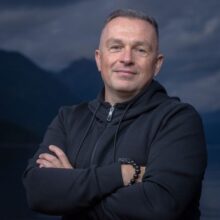
Harold Frederiks Co-Founder, The Contractor Standard
Harold Frederiks is co-founder of The Standard, a management certification program that helps contractor businesses across North America build stronger leaders. It trains the people leading those businesses in core disciplines such as decision-making, communication under pressure, and building trust. Before The Standard, Harold spent more than 20 years in waterpark operations, leading teams of 130 to 150 people in businesses doing about $1 million a month in revenue. It’s a world of short seasons, big seasonal crews, and systems that have to work whether or not the boss is standing there. That’s a lot closer to running a trades company than it sounds. He also coaches contractors and trades owners one-on-one and holds a professional coaching certification from Royal Roads University.
- Early
- $65
- Regular
- $85
10:30 AM – 11:30 AM
Safeguarding building occupants from extreme heat
ConEd Credits: 1 BOMI CPD
Location: Rooms 215/216
- Property Management & Building Operations
- Engineering
- Homebuilding & Renovation
Streams: Design Concepts, Health & Wellness
Tracks: Property Management Solutions
Building Types: Mixed-Use, Residential: Multi-Unit, Residential: Single-Unit
Indoor thermal safety is becoming an increasingly important topic as summer temperatures increase across the country. Cooling measures such as heat pumps, exterior shading, improved ventilation, increased tree canopy, and others can all have an impact on keeping occupants safe while also helping to reduce energy demand and associated emissions. As local governments begin to require them, many building owners and managers continue to face challenges in their implementation.
This session will share new insights and information on ways to keep occupants cool in residential buildings in BC through a range of lenses, from the policies and actions that require the installation of cooling measures, to the viability of the measures and technologies themselves, to on-the-ground experiences in their implementation. This session is intended to support owners, managers, designers, researchers, and policymakers of all skill levels interested in learning more about indoor thermal safety.
Speakers

Lisa Westerhoff Principal Owner, Westerhoff Climate Strategies
Lisa Westerhoff is recognized in British Columbia and across Canada as a focused, reliable leader in energy-efficient and climate-ready building policy and interest holder engagement. With over 10 years of industry experience, Lisa works with local governments, universities, and industry organizations to create policies and strategies for a healthy, low-carbon and resilient built environment. Lisa holds a PhD in urban sustainability from UBC and is the author of several academic publications on strategies for increasing climate change resilience and energy and emissions reductions. She also holds a Master’s degree in climate change resilience and adaptation, is IAP2 certified in public engagement, and a winner of the Canada Green Building Council’s Green Building Champion award.

Leya Behra Deputy Director, Climate Action, City of New Westminster
Leya is a professional engineer and leader in climate action. With over 20 years in clean tech, industrial energy management, energy utility consulting and local government, she has worked to advance clean energy solutions that center equity and impact. As Deputy Director of Climate Action at the City of New Westminster, Leya develops and integrates local government climate policy with utility operations and desig demand side management and electrification initiatives. After the devastating and deadly 2021 heat dome, extreme heat and thermal safety have quickly become a primary concerns. Leya has been committed to ensuring that the solutions to address this climate risk support health, safety, energy efficiency, affordability, social connectedness, comfort and resilience. Guided by a deep commitment to climate justice, she believes people are at the heart of every decision; working to build a more sustainable and equitable future.
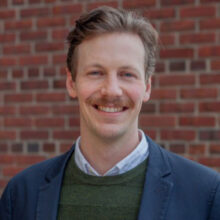
Eric Campbell Associate Principal, Introba
Eric Campbell is an Associate Principal and mechanical engineer with Introba, specializing in high-performance, low-carbon, and climate-resilient buildings. His work spans both building design and policy development, combining mechanical engineering, building performance analysis, passive design, and sustainability strategy. His recent work includes research and project-level design focused on mechanical equipment right-sizing to support cost-effective building electrification and energy transition. He has also contributed to policy and technical work addressing overheating risk and safe indoor temperatures, including leading the compliance analysis study for the City of Toronto’s Maximum Indoor Temperature By-law. Across both design practice and policy development, his work focuses on translating technical analysis into practical measures for more resilient, affordable, and low-carbon buildings.

Rupert Campbell Principal, Montage Development Consultants
Rupert has over 15 years of experience in urban planning, sustainability, Mandarin, and real estate development. His background includes managing development projects from visioning to completion, encompassing feasibility analysis, acquisition negotiations, financial modelling, conceptual design, due diligence, and project structuring, all the way through design development, team management, financing, and construction to final deficiencies and handover. As a trained urban planner, his approach brings together public and private perspectives to city building, with a strong working relationship with Planning Departments, funding agencies, and consultants. Hailing from New Zealand, Rupert brings a unique creativity and jovial cynicism to his team, as well as a bizarre passion for long-fin eels, boxing, and tabletop wargaming.
- Early
- $65
- Regular
- $85
11:15 AM – 12:15 PM
VRCA + BCCA: building our future skills pipeline
Location: VRCA + BCCA Connector Lounge (Booth 1251)
- Construction & Trades
- Homebuilding & Renovation
Streams: Workforce Solutions, Business Strategy & Leadership
Building Types: Civil / Infrastructure, Commercial, Industrial, Institutional, Mixed-Use, Residential: Multi-Unit, Residential: Single-Unit
Partners: British Columbia Construction Association (BCCA); Vancouver Regional Construction Association (VRCA)
How do we engage the next generation of builders? We’ll be hosting live demonstrations of Bring Trades to Schools and Honour the Work in the Connector Lounge. With guest installation and live activities.
- FREE
Presenting Partners

11:45 AM – 12:45 PM
Speed networking – Wednesday
Location: Networking Hub (Booth 312)
- Architecture
- Construction & Trades
- Property Management & Building Operations
- Engineering
- Homebuilding & Renovation
- Interior Design
- Cross-Industry
Building Types: Civil / Infrastructure, Commercial, Industrial, Institutional, Mixed-Use, Residential: Multi-Unit, Residential: Single-Unit
The built environment’s version of speed dating, this memorable fast-paced event introduces you to a wide range of design, building, construction, and real estate industry professionals, so your networking time is optimized for efficiency and impact.
- FREE
1:00 PM – 2:00 PM
Beyond carbon: the new business case for solar and battery
ConEd Credits: 1 BOMI CPD
Location: Rooms 218/219
- Architecture
- Construction & Trades
- Property Management & Building Operations
- Engineering
- Homebuilding & Renovation
Streams: Sustainability, Decarbonization & High-Performance Buildings
Building Types: Civil / Infrastructure, Commercial, Industrial, Institutional, Mixed-Use, Residential: Multi-Unit, Residential: Single-Unit
BC’s clean electricity grid creates a distinctive opportunity for solar PV and BESS. As electrification, peak demand costs, resilience needs, grid constraints, and evolving utility programs reshape building operations, these technologies can deliver value in ways many owners may not yet have considered. This session looks beyond the equipment to the owner’s business case, exploring how PV can reduce energy costs and support future loads, while BESS can add value through demand management, demand response, resilience, and operational flexibility. Using BC-specific conditions and case studies from across Canada, attendees will learn how to identify high-value opportunities, compare PV, BESS, and combined systems, manage project and lifecycle costs, and align system design with long-term asset objectives. The session will also highlight incentives, utility programs, and funded feasibility studies that can help owners move from an initial idea to an informed investment decision.
Speakers

Sunny Ghataurah President, AES Engineering
Sunny Ghataurah is the President of AES Engineering with over 30 years of experience in the design and construction industry. With his passion for technology, a rich understanding of the building and infrastructure industry, and sensitivity to design simplicity, Sunny is an active advocate for advancements in technology and innovation to improve people’s lives. Sunny helps teams focus on user experience and behavioral change that in turn achieves true sustainable results. Being a technophile, Sunny has his finger on the pulse of the industry. An experienced public speaker and recognized industry thought leader, Sunny shares insights on emerging trends and paradigm shifts transforming the built environment. In addition to contributing to award-winning projects, he was recognized as one of Business in Vancouver’s Top Forty Under 40.
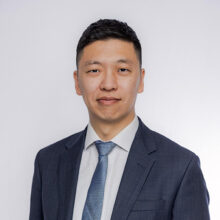
Victor Lu Principal, AES Engineering
Victor Lu combines academic research, hands-on field experience, and integrated electrical systems design with a data-driven approach to energy infrastructure. His work spans Solar PV, BESS, EV charging, building electrification, and decarbonization, with a particular focus on translating emerging technologies into practical, investable solutions. He advises owners on energy generation, storage, demand management, resilience, grid integration, and utility opportunities, while evaluating the broader commercial context of rates, incentives, constraints, operating requirements, and lifecycle cost. By integrating engineering judgement with real-world implementation and business-case analysis, Victor helps organizations identify high-value opportunities and make informed, future-ready energy investments.
- Early
- $65
- Regular
- $85
1:00 PM – 2:00 PM
Under the hard hats: human minds at work
Location: Room 221
- Construction & Trades
- Homebuilding & Renovation
Streams: Workforce Solutions, Business Strategy & Leadership
Building Types: Civil / Infrastructure, Commercial, Industrial, Institutional, Mixed-Use, Residential: Multi-Unit, Residential: Single-Unit
25% of the construction workforce is neurodivergent, meaning that 1 in 4 workers has a diagnosis of ADHD, autism, dyslexia, dyscalculia, or other conditions. This also means that a significant portion of your workforce isn’t designed to fit the existing architecture for success, but we have an opportunity to build better architecture for everyone. Under the Hard Hats (UTHH) demonstrates how embracing neurodiversity is an underutilized tool for recruitment, retention, and boosting productivity in the skilled trades. Participants will gain a high-level understanding of different neurodivergent conditions and how they might show up in the trades, an introduction to neuro-inclusivity and psychological safety, a new perspective on "accommodations" that support everyone, and actionable steps that organizations and individuals can take to build better architecture for success.
Speakers

Alex Knight President, Neurodiversity Strategist, Iron & Ember Consulting Inc.
Alex Knight is the president of Iron & Ember and is the only consultant in the world operating at the intersection of neurodiversity, skilled trades, organizational psychology, and environmental design. She strongly believes that supporting neurodivergent individuals benefits minds of all kinds. With honesty, soul, and an unwavering belief in human potential, Alex is pioneering the integration of psychological safety and neurodiversity in Canada’s construction industry.
- Early
- $65
- Regular
- $85
2:30 PM – 3:30 PM
Payment certification best practices and the CPPA
ConEd Credits: 1 BOMI CPD
Location: Room 224
- Architecture
- Construction & Trades
- Property Management & Building Operations
- Engineering
- Homebuilding & Renovation
- Interior Design
- Cross-Industry
Streams: Project Planning, Procurement, Management & Delivery
Building Types: Civil / Infrastructure, Commercial, Industrial, Institutional, Mixed-Use, Residential: Multi-Unit, Residential: Single-Unit
Effective payment certification is critical to keeping construction projects and payments moving. This session will examine best practices for reviewing applications for payment, assessing work completed, managing documentation, communicating payment decisions, and avoiding common certification problems. It will also look at how BC’s Construction Prompt Payment Act will interact with existing payment certification processes, including proper invoices, statutory timelines, and notices of non-payment. This session is intended for owners, consultants, architects, engineers, contract administrators, project managers, contractors, and subcontractors.
Speakers
Katy Fairley Industry Standard Practices Consultant, British Columbia Construction Association
Katy Fairley is an expert, advisor, trainer and speaker on topics related to project delivery, construction contracts, procurement and risk. Through Fairley Strategies, she works across the construction industry with owners, contractors, and other industry professionals, providing strategic advice and practical training to improve procurement, project delivery and contract administration. Additionally, Katy promotes and advocates for fair, open and transparent construction practices as an industry practices consultant for the BC Construction Association (BCCA). Previously, Katy was an owner and vice president of a diversified general contractor and construction manager in southern BC. She served on the Board of Directors for multiple construction associations at the local, provincial, and national levels.

Elizabeth Zhu Director, Facilities Management Procurement, BC, Shared Health Services
As the Facilities Management Procurement Director for Fraser Health and BC Shared Health Services for the past 18 years, Elizabeth Zhu has successfully built and led a specialized 14-person procurement team focused on public construction, facility maintenance, and capital redevelopment projects across BC health authorities. Elizabeth has extensive experience in public procurement, construction contracting, and major capital project delivery. She currently supports provincial initiatives related to implementation of BC’s Construction Prompt Payment Act and serves as a member of the BC Public Construction Council. Her team has been recognized with the BCCA Best of Public Owner Award three times (2017, 2022, and 2023) for outstanding contributions to public sector construction procurement.
Glenn Ackerley Construction Lawyer, Chair of the Construction Practice Group, WeirFoulds LLP
Glenn is the Chair of the Construction Practice Group at WeirFoulds LLP, specializing in construction law, liens, and litigation. As a trusted project lawyer, he advises clients across the construction industry—owners, developers, contractors, and consultants—on contracts, procurement, risk management, and dispute resolution. An active industry leader, Glenn is the ex-officio lawyer member for the Canadian Construction Documents Committee (CCDC.) He also has served on the National Advisory Council of the Canadian Construction Association, the Toronto Construction Association Board, and Ontario’s Expert Panel on Construction Lien Act reforms. He has also taught construction law at Toronto Metropolitan University and frequently speaks at industry and legal seminars. With extensive experience in mediation and arbitration, Glenn is a go-to expert for navigating legal challenges and ensuring fair, efficient project outcomes.
- Early
- $65
- Regular
- $85
2:30 PM – 3:30 PM
Embodied carbon, affordability, and resilience: lessons from 18 projects
Location: Rooms 218/219
- Architecture
- Construction & Trades
- Engineering
- Homebuilding & Renovation
Streams: Sustainability, Decarbonization & High-Performance Buildings
Tracks: Prefabrication, Modular & Offsite Construction
Building Types: Residential: Multi-Unit, Residential: Single-Unit
Partners: Zero Emissions Innovation Centre (ZEIC)
Reducing embodied carbon is becoming a priority for housing projects, but questions remain around costs, constructability, and broader project outcomes. This session shares findings from the Near Zero 2 incentive program, including analysis of 18 residential projects that evaluated common embodied carbon reduction strategies and their associated costs. Speakers will discuss how low-carbon building approaches can also advance affordability, resilience, and housing delivery goals. The session will feature lessons learned from the City of Vancouver’s Zero Emissions Building Incentive Program, including practical approaches used to achieve significant embodied carbon reductions and insights into municipal verification and inspection processes. Grounded in a prefabricated housing case study, the discussion will explore real-world trade-offs and opportunities, alongside emerging national research on industry readiness to undertake embodied carbon assessments in Part 9 housing.
Speakers

Zahra Teshnizi Senior Planner, Embodied Carbon, City of Vancouver
Zahra Teshnizi is a Senior Planner with the City of Vancouver, where she leads implementation of the City’s Embodied Carbon Strategy and its goal of reducing emissions from new construction by 40% by 2030. She led development of Vancouver’s Embodied Carbon Guidelines, establishing a consistent methodology that informed the National WBLCA Practitioner’s Guide and advanced embodied carbon policy and regulation.
Zahra also helped develop Vancouver’s embodied carbon reporting and reduction requirements for low-rise residential projects accessing floor-area incentives for zero-emissions construction. The guidance aligns with national standards while simplifying implementation for smaller projects and teams. It recognizes salvaged materials and retained building components, allowing material reuse and recovery to contribute to compliance. Zahra also contributes to national code and industry initiatives advancing practical approaches to embodied carbon assessment and reduction.

Mélanie Trottier Embodied Carbon Analyst & BEAM Trainer, Builders for Climate Action
Mélanie joined BfCA in the summer of 2021, with an urge to nourish her inner flame with something meaningful to act on climate change. She has inputted the most projects in BEAM among all of us, which was key in finding bugs and helping develop the tool. Mélanie holds a double master’s in Architecture and Urban Design from University Laval in Québec, and she is a Certified Passive House Designer. As a naturally curious, meticulous and dynamic person, she’s always motivated by new challenges, leading her to help design training programs for BEAM users and adding EPDs in the database.
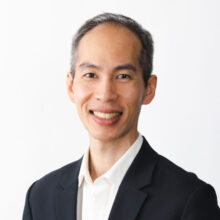
Newton Wong Designer, Sustainability Lead, NW Designs
Newton is a designer with 15 years of architectural design experience in part 3 and part 9 buildings in BCHe is passionate about designing buildings that have a low impact on climate change, whether that means using fully-electric equipment, being built with low-embodied carbon materials, or being designed with efficient, circular systems. Newton is well versed with sustainability-focused certification programs including Passive House, LEED, and Zero Carbon Buildings
- Early
- $65
- Regular
- $85
Presenting Partner

2:30 PM – 3:30 PM
Contech showcase, presented by the ConstructIQ Advisory
Location: TECHCENTRIC Stage (Booth 1603)
- Architecture
- Construction & Trades
- Property Management & Building Operations
- Engineering
- Homebuilding & Renovation
Streams: Technology, Innovation & Smart Buildings
Building Types: Civil / Infrastructure, Commercial, Industrial, Institutional, Mixed-Use, Residential: Multi-Unit, Residential: Single-Unit
AI activity across the construction industry is high, yet few firms have translated that momentum into operational gains in revenue, margin, or capacity. This showcase reveals where AI is delivering results through business development, preconstruction, and project delivery, ultimately contributing to increased pursuit capacity, faster bids, and fewer downstream misses. Drawing from operational AI sprints executed within active construction firms, this session highlights the workflows and solutions that are turning AI activity into measurable outcomes. Join this session to hear direct operator feedback on what’s working and what to consider as you build your own AI strategy. This is a curated view of what’s actually delivering results, built specifically for leaders responsible for pipeline, preconstruction, and project delivery.
Speakers

Shawn Gray CEO, ConstructIQ Advisory
Shawn Gray is the Founder of ConstructIQ Advisory, specializing in turning AI from fragmented experimentation into measurable gains in revenue, cash flow, cost, and capacity. He works with mid-market construction and real estate firms to operationalize AI inside live workflows, where results are proven and scaled. Recognized as an ENR Top Global Innovator and one of Canada’s Top 40 Under 40 in construction, Shawn brings nearly two decades of experience across $5B+ in projects and AI initiatives impacting over $25B in construction. He leads industry and government-supported adoption programs focused on proof, capital efficiency, and execution, enabling teams to validate, fund, and scale AI in weeks, not years.
- FREE
Presenting Partner

3:00 PM – 4:00 PM
Networking mixer: building science & engineering professionals
Location: Networking Hub (Booth 312)
- Architecture
- Engineering
Building Types: Civil / Infrastructure, Commercial, Industrial, Institutional, Mixed-Use, Residential: Multi-Unit, Residential: Single-Unit
This mixer is an opportunity for building science and engineering professionals to connect with industry peers in a relaxed yet productive environment. Attendees will have the opportunity to network, exchange technical knowledge, and explore collaborative approaches to advancing sustainable and innovative building solutions.
- FREE
3:30 PM – 4:30 PM
VRCA + BCCA: board of directors’ happy hour
Location: VRCA + BCCA Connector Lounge (Booth 1251)
- Construction & Trades
- Homebuilding & Renovation
Streams: Workforce Solutions, Business Strategy & Leadership
Building Types: Civil / Infrastructure, Commercial, Industrial, Institutional, Mixed-Use, Residential: Multi-Unit, Residential: Single-Unit
Partners: British Columbia Construction Association (BCCA); Vancouver Regional Construction Association (VRCA)
Come meet industry leaders and executives who are guiding your associations. We want to get to know you.
- FREE
Presenting Partners
3:30 PM – 4:30 PM
Canada – Italy Green Building Forum 2027
Location: Live Podcast & Demo Stage (Booth 300)
- Architecture
- Construction & Trades
- Property Management & Building Operations
- Engineering
- Homebuilding & Renovation
Streams: Sustainability, Decarbonization & High-Performance Buildings; Technology, Innovation & Smart Buildings
Building Types: Civil / Infrastructure, Commercial, Industrial, Institutional, Mixed-Use, Residential: Multi-Unit, Residential: Single-Unit
A place to connect and learn about what’s new in the green building space. A bilateral hub to connect, network and do business with new clients and suppliers. Brought to you by the Italian Chamber in Canada – West and the Embassy of Italy in Ottawa.
- FREE
Sponsor

4:30 PM – 6:00 PM
BUILDEX industry networking reception
Location: Central Bar (Booth 931)
- Architecture
- Construction & Trades
- Property Management & Building Operations
- Engineering
- Homebuilding & Renovation
- Interior Design
- Cross-Industry
Building Types: Civil / Infrastructure, Commercial, Industrial, Institutional, Mixed-Use, Residential: Multi-Unit, Residential: Single-Unit
Reconnect with industry peers and make new contacts as professionals from all sectors of the built environment come together at the BUILDEX industry networking reception. Head to the Central Bar for complimentary drinks, live music, and networking between 4:30pm and 6:00pm on Wed., February 10.
- FREE
Thursday, February 11
My Cart9:00 AM – 12:00 PM
Introduction to using AI in construction project management
ConEd Credits: 3 PMI PDUs; 3 BOMI CPD
Location: Room 224
- Architecture
- Construction & Trades
- Property Management & Building Operations
- Engineering
- Homebuilding & Renovation
- Interior Design
- Cross-Industry
Streams: Project Planning, Procurement, Management & Delivery; Technology, Innovation & Smart Buildings
Building Types: Civil / Infrastructure, Commercial, Industrial, Institutional, Mixed-Use, Residential: Multi-Unit, Residential: Single-Unit
Discover how Artificial Intelligence (AI) is revolutionizing project management practices in the construction industry by understanding practical strategies for integrating AI solutions into your projects. In this hands-on workshop, attendees will explore real-world case studies, engage in interactive group exercises, and gain valuable insights. Whether you are new to technology or a seasoned professional, this workshop offers a unique opportunity to demystify AI concepts, discover cutting-edge tools and technologies, and unlock new possibilities for optimizing resource allocation, scheduling, risk management, and more.
At the end of this session, attendees will be able to:
• Understand how fundamental aspects of project management are affected by AI
• Recognize the impact of AI on specific construction industry practices
• Describe real-world examples of AI tools being used today on construction projects
• Discuss ethical considerations and best practices of using AI
This introductory course is intended for anyone interested in the topic of project management including project managers, project coordinators, engineers, contractors, owners’ reps, and anyone else in the project leadership chain.
Speakers

Marcus Hinds Senior Associate, Procept Associates Ltd.
Marcus brings a unique blend of engineering, project management, and academic expertise. Since 2014, he has served as a Project Management Consultant at EnerScope Engineering across the GTA and southern Ontario, spearheading impactful initiatives like the Humber-Enbridge HERO program and saveONenergy projects while fostering clear stakeholder communication. Alongside consulting, Marcus is an Engineering Instructor and Professor who mentors aspiring engineers to bridge theory and practice, developing courses for respected institutions including Dalhousie University and the University of Toronto. Previously, he held key engineering and project management roles in the Natural Gas, Power Generation, and Decarbonisation sectors, enhancing pipeline safety, operational efficiency, and building retrofits throughout the GTHA.
Marcus holds an MBA from the University of Birmingham, a Postgraduate Diploma in Building Sustainability Management, and a BSc. Eng in Geomatics Engineering. He is also a certified Project Management Professional (PMP), Professional Engineer (P.Eng.), and Certified Energy Manager (CEM).
- Early
- $145
- Regular
- $185
10:00 AM – 11:00 AM
Networking mixer: architecture professionals
Location: Networking Hub (Booth 312)
- Architecture
Building Types: Civil / Infrastructure, Commercial, Industrial, Institutional, Mixed-Use, Residential: Multi-Unit, Residential: Single-Unit
This mixer provides architecture professionals a relaxed yet productive environment to connect with industry peers. Attendees will network, exchange ideas, and explore collaborative opportunities while building valuable professional relationships.
- FREE
10:30 AM – 11:30 AM
The other 8,700 hours: rethinking backup heating for air-source heat pump systems
Location: Rooms 218/219
- Architecture
- Construction & Trades
- Engineering
Streams: Sustainability, Decarbonization & High-Performance Buildings
Building Types: Commercial, Institutional, Mixed-Use, Residential: Multi-Unit, Residential: Single-Unit
Partners: Zero Emissions Innovation Centre (ZEIC)
Air-source heat pumps are increasingly viewed as a cornerstone of building electrification and decarbonization. However, as outdoor temperatures fall, both heating capacity and efficiency decline, often requiring supplemental heat during the coldest hours of the year. This session reframes the design question. Rather than asking whether a heat pump can meet every hour of a building’s heating demand, it asks how much of the year it can operate efficiently and what the most practical strategy is for the remaining hours. Using the concept of the “other 8,700 hours,” the presentation explores how a small number of extreme-weather hours can drive disproportionate cost and system complexity. Through practical examples, the session compares backup heating options, including gas-fired, hybrid, and electric resistance systems. Particular attention is given to the counterintuitive idea that the least efficient heating technology may sometimes be the most practical backup solution.
Speakers

Andrej Simjanov High-Performance Buildings, Remedy Engineering
Andrej Simjanov, P.Eng., is part of the High-Performance Buildings team at Remedy Engineering, where he works on mechanical systems design, energy modelling, commissioning, integrated systems testing, and building performance optimization. His work focuses on helping commercial and institutional buildings perform as intended, with a particular emphasis on practical low-carbon design, HVAC system integration, operational performance, and the gap between design intent and real-world operation. Andrej brings a balanced, evidence-based perspective to building decarbonization, combining technical analysis with an understanding of cost, constructability, controls, commissioning, and long-term operation.

Chase Hayden Account Manager, Trane Canada-West
Chase has been with Trane for 10 years, gaining extensive experience in the design, installation, and operation of a wide range of commercial projects. He is especially passionate about projects that apply optimized system solutions. Chase holds a degree in Mechanical Engineering from the University of Calgary and is a Professional Engineer registered with APEGA. He is also an associate member of the CSA B52 committee, which oversees Canada’s primary refrigeration safety standard. Outside of work, Chase enjoys spending time with his family, including his four young children.
- Early
- $65
- Regular
- $85
Presenting Partner

10:30 AM – 11:30 AM
From skilled worker to skilled leader: building frontline leadership capacity
Location: Room 221
- Construction & Trades
- Homebuilding & Renovation
Streams: Workforce Solutions, Business Strategy & Leadership
Building Types: Civil / Infrastructure, Commercial, Industrial, Institutional, Mixed-Use, Residential: Multi-Unit, Residential: Single-Unit
The construction industry depends on strong frontline leaders, but many supervisors and managers are promoted because of technical skill rather than leadership readiness. In a tight labour market, the quality of frontline leadership directly affects retention, safety, communication, productivity, and team culture. This session explores how organizations can support the transition from skilled worker to skilled leader with practical tools for communication, feedback, accountability, coaching, and conflict resolution.
Learning outcomes:
- Understand the leadership gap created when technical experts move into people-leadership roles.
- Identify the core behaviours frontline leaders need to retain and engage teams.
- Learn practical tools for giving feedback, managing tension, and setting expectations.
- Explore how to build leadership development into daily operations instead of treating it as a one-time course.
Speakers

Rikka Bouseh President, Envol Solutions Inc.
Rikka is a seasoned HR strategist with 16+ years of experience helping organizations turn people challenges into business advantages. With a unique ability to bridge talent strategy with operational outcomes, she has supported companies across North America – from high-growth startups to complex, multi-national enterprises – in improving performance, navigating change, and accelerating growth through smarter people practices.
- Early
- $65
- Regular
- $85
11:00 AM – 12:00 PM
VRCA + BCCA present “The Price Is Right” game show
Location: VRCA + BCCA Connector Lounge (Booth 1251)
- Construction & Trades
- Homebuilding & Renovation
Streams: Workforce Solutions, Business Strategy & Leadership
Building Types: Civil / Infrastructure, Commercial, Industrial, Institutional, Mixed-Use, Residential: Multi-Unit, Residential: Single-Unit
Partners: British Columbia Construction Association (BCCA); Vancouver Regional Construction Association (VRCA)
Join VRCA & BCCA as they test your construction materials knowledge! It’s us vs inflation and the closest without going over could win.
- FREE
Presenting Partners
11:45 AM – 12:45 PM
Speed networking – Thursday
Location: Networking Hub (Booth 312)
- Architecture
- Construction & Trades
- Property Management & Building Operations
- Engineering
- Homebuilding & Renovation
- Interior Design
- Cross-Industry
Building Types: Civil / Infrastructure, Commercial, Industrial, Institutional, Mixed-Use, Residential: Multi-Unit, Residential: Single-Unit
The built environment’s version of speed dating, this memorable fast-paced event introduces you to a wide range of design, building, construction, and real estate industry professionals, so your networking time is optimized for efficiency and impact.
- FREE
1:00 PM – 4:00 PM
Project management: managing project risk
ConEd Credits: 3 PMI PDUs; 3 BOMI CPD
Location: Room 224
- Architecture
- Construction & Trades
- Property Management & Building Operations
- Engineering
- Homebuilding & Renovation
- Interior Design
- Cross-Industry
Streams: Economics, Legal, Regulatory & Risk Management; Project Planning, Procurement, Management & Delivery
Building Types: Civil / Infrastructure, Commercial, Industrial, Institutional, Mixed-Use, Residential: Multi-Unit, Residential: Single-Unit
When Murphy’s Law strikes and your project experiences unexpected problems, you may wonder how you can protect your project from cost overruns and schedule delays. One way is to take a proactive approach to managing project risk. In this half-day session, you will learn how to identify, analyze, and plan for risks to improve your project delivery. Practical techniques will be provided for both qualitative and quantitative analysis and response planning, including looking at the financial feasibility of a risk response plan. Full of real-life examples that will bring the topic to life, this session will give you knowledge you can apply immediately to make your projects more predictable and stable.
Participants will gain practical skills to:
• Understand the role and impact of risk management
• Apply a structured approach to identify and analyze risks using both qualitative and quantitative approaches
• Identify a variety of risk response strategies
• Evaluate risk response strategies to identify the most efficient approach
• Use risk management approaches to improve the chances for project success
This course is appropriate for individuals who are project sponsors, project managers, and senior project team members.
Speakers
Marcus Hinds Senior Associate, Procept Associates Ltd.
Marcus brings a unique blend of engineering, project management, and academic expertise. Since 2014, he has served as a Project Management Consultant at EnerScope Engineering across the GTA and southern Ontario, spearheading impactful initiatives like the Humber-Enbridge HERO program and saveONenergy projects while fostering clear stakeholder communication. Alongside consulting, Marcus is an Engineering Instructor and Professor who mentors aspiring engineers to bridge theory and practice, developing courses for respected institutions including Dalhousie University and the University of Toronto. Previously, he held key engineering and project management roles in the Natural Gas, Power Generation, and Decarbonisation sectors, enhancing pipeline safety, operational efficiency, and building retrofits throughout the GTHA.
Marcus holds an MBA from the University of Birmingham, a Postgraduate Diploma in Building Sustainability Management, and a BSc. Eng in Geomatics Engineering. He is also a certified Project Management Professional (PMP), Professional Engineer (P.Eng.), and Certified Energy Manager (CEM).
- Early
- $145
- Regular
- $185
1:00 PM – 2:00 PM
Navigating a changing HR landscape: psychological safety, chronic pain, and the opioid crisis
Location: Room 221
- Construction & Trades
- Homebuilding & Renovation
Streams: Workforce Solutions, Business Strategy & Leadership
Building Types: Civil / Infrastructure, Commercial, Industrial, Institutional, Mixed-Use, Residential: Multi-Unit, Residential: Single-Unit
This panel will explore how psychological safety, mental health, chronic pain, and workplace culture intersect on construction worksites. Drawing on insights and perspectives from industry leaders, the conversation will highlight sector specific approaches and initiatives that help employers build safer, more supportive workplaces. The conversation will touch on the future of psychological safety in the sector with anticipated WorkSafeBC regulatory changes, and a balanced discussion of the challenges the industry is navigating.
Speakers

Jessica Bonney Strategic Initiatives, British Columbia Construction Association
Jessica Bonney is Strategic Initiatives Manager at the British Columbia Construction Association (BCCA), where she leads and supports cross-functional projects focused on workforce development, workplace culture, industry engagement, and organizational growth. With a background in project management, stakeholder engagement, and strategic communications, Jessica brings a practical, collaborative lens to conversations about building safer, inclusive, and supportive workplaces.
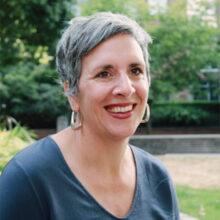
Maria Hudspith CEO, Pain BC
Maria joined Pain BC in June 2010 as the inaugural CEO. With two decades of experience in community development and systems change, Maria has worked to bring Pain BC from concept to reality. Her work has involved mobilizing communities, engaging patients in organizational decision-making, and advancing progressive agendas through policy change and program development.
Pain BC’s Trades and Pain Program helps tradespeople navigate the complex challenge of chronic pain and the impact that it has on individuals, families, communities, and the economy. Taking a bio-psycho-social stance on pain, Pain BC partners with employers to integrate pain management into the heart of corporate culture.
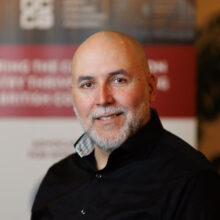
Rory Kulmala CEO, Vancouver Island Construction Association (VICA)
Rory Kulmala is the Chief Executive Officer of the Vancouver Island Construction Association (VICA), bringing more than 30 years of experience in construction, project management, infrastructure development, and organizational leadership. Prior to joining VICA, Rory held senior roles in both the public and private sectors, contributing to the planning and delivery of major infrastructure and capital projects. He holds an MBA and is an Applied Science Technologist (AScT) and certified Project Management Professional (PMP). As CEO of VICA, Rory leads initiatives that strengthen Vancouver Island’s construction sector through advocacy, education, workforce development, and industry collaboration. His work includes supporting The Tailgate Toolkit, a program that connects BC construction employers and workers with practical resources on mental health, overdose prevention, chronic pain, and workplace support through toolbox talks, supervisor training, peer support, and resource guides.
Chris Atchison President, British Columbia Construction Association
Chris Atchison is President of the British Columbia Construction Association (BCCA), the voice of BC’s construction industry. He leads BCCA’s efforts to strengthen the construction sector through workforce development, industry advocacy, innovation, and programs that support the long-term success of construction businesses and workers across the province.
Chris works closely with government, industry, and workforce partners to address complex challenges and advance opportunities for growth and resilience. He represents BC’s construction industry at all levels of government and serves on several key advisory and governance bodies.
- Early
- $65
- Regular
- $85
1:00 PM – 2:00 PM
Developing code evaluation criteria for innovative product approvals
Location: Room 217
- Construction & Trades
- Engineering
- Homebuilding & Renovation
Streams: Economics, Legal, Regulatory & Risk Management; Technology, Innovation & Smart Buildings
Building Types: Commercial, Mixed-Use, Residential: Multi-Unit, Residential: Single-Unit
At a time when innovation can help us build faster and more affordably, learn how the International Code Council’s Evaluation Service (ICC-ES) develops building code evaluation criteria based on the National Building Code of Canada to facilitate the approval of innovative building products across Canada. Participants will explore the criteria development process, including public comment period and Canadian evaluation committee approval. Furthermore, attendees will discover how ICC-ES is expanding Canada’s capacity for innovation in construction, the robust process at building officials across Canada trust, and examples of how this process has been applied to a variety of products.
Speakers

David Beauchamp Manager, ES Canada, International Code Council Evaluation Service (ICC-ES)
David has over two decades of experience in Canada’s construction sector. He has dedicated his career to advancing building product quality, regulatory compliance, and industry innovation. His experience spans, product testing, certification, code evaluations, and the development of services that help manufacturers demonstrate performance and achieve market acceptance. Bridging technical expertise with strategic insight, David works with stakeholders across the construction ecosystem to address emerging challenges, support innovation, and enhance confidence in the built environment. David is passionate about fostering solutions that improve safety, efficiency, and long-term reliance. Beyond his professional work, he enjoys roadtrips, audiobooks, and lifelong learning through the study of philosophy, psychology, and history.
- Early
- $65
- Regular
- $85
1:00 PM – 2:00 PM
Building circularity in practice: from urban mining to material reuse
Location: Room 222
- Architecture
- Construction & Trades
- Property Management & Building Operations
- Engineering
- Homebuilding & Renovation
- Interior Design
- Cross-Industry
Streams: Sustainability, Decarbonization & High-Performance Buildings
Tracks: Prefabrication, Modular & Offsite Construction
Building Types: Commercial, Industrial, Institutional, Mixed-Use, Residential: Multi-Unit, Residential: Single-Unit
The construction industry faces increasing pressure to reduce embodied carbon and minimize waste. While new materials continue to play a role, the greatest opportunity may lie within cities already built. By treating existing buildings as future sources of materials, the industry can unlock significant environmental, economic, and social value. This panel brings together complementary perspectives from across the building lifecycle to demonstrate that circularity is not a future aspiration – it is already being implemented.
In this session, attendees will learn the concept of urban mining and its role in advancing a circular built environment while also identifying strategies for designing buildings that enable future material recovery, reuse, and adaptability. Participants will understand how deconstruction, modular construction, and circular procurement work together to reduce construction waste and embodied carbon. This session will also address how to recognize policy, market, and collaboration opportunities needed to scale material reuse across the building sector.
Speakers
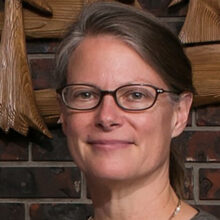
Brenda Martens Principal / Faculty, Aedify / BCIT
Brenda Martens (O.B.C., B.Sc., CSBA, TRUE Advisor, LEED FELLOW) is a leading sustainability advocate and early adopter of green building practices and has worked on some of the most environmentally progressive and largest projects in B.C., such as the Vancouver and Whistler Olympic Villages, and some of the most modest, including dozens of social housing projects across the province. Martens’ contributions have been recognized by her election to the board of the Cascadia Green Building Council and selection to the LEED Technical Advisory Group and Steering Committee. She has developed and delivered several courses through UBC and BCIT on the circular built environment and regenerative design. In 2012 she was named a LEED Fellow, one of only 10 Canadians and 226 individuals in the world at that time. She was appointed to the Order of British Columbia in 2018 and received the Carbon Leadership Forum BC’s "Strengthening the Practice" award in 2026.

Dave Bennink Owner, RE-USE Consulting
Deconstruction Dave’ Bennink of the Reuse Innovation Center has trained groups in 45 states and five provinces, helping start 120 circular construction businesses and diverting over 100 million pounds from landfills. He focuses on growing the circular economy, zero waste and energy movements, embodied carbon, and sustainable building. RE-USE has completed more than 5,000 institutional, industrial, commercial, residential, agricultural projects and has helped build over 250 reclaimed-content small structures. Bennink also keeps in practice by running a reuse store and deconstruction contracting firm. His Reuse Innovation Center is a circular business collective, both removing and installing reclaimed materials, designing for disassembly, promoting industrial symbiosis, and reclaiming the past to salvage our future.
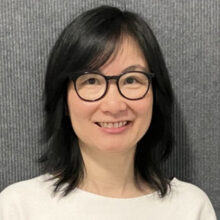
Mary Chow Director of Civic Projects, City of Burnaby
As Director of Civic Projects for the City of Burnaby, Mary leads the delivery of more than $1 billion in civic infrastructure. With over 30 years of architectural experience, she brings a collaborative, design-informed approach to public sector innovation, emphasizing integrated project development, stakeholder alignment, and long-term community impact. A LEED BD+C accredited professional and former Passive House Certified Designer, Mary has also completed studies in circularity through BCIT. She is recognized for building strong partnerships across government, industry, and community. Mary recently completed her final term on the Board for the BC Construction Roundtable (BCCR), where she contributed to strategic planning, programming, and industry engagement. She currently serves on the Board of Directors for the Integrated Project Delivery Alliance (IPDA), championing collaboration, innovation, and value-driven outcomes for the built environment.

Vanny Lim COO, Founder, Vema Deconstruction
Vanny Lim is Co-Founder and Chief Operating Officer of VEMA Deconstruction, where she oversees the operational side of recovering, processing, and reintegrating reclaimed materials into new construction. She works to solve the practical and logistical challenges that make deconstruction and material reuse viable. Vanny helped deliver Maverick, an award-winning, carbon-negative, Passive House-certified home and the first in Canada to incorporate 70% reclaimed materials into prefabricated wall panels, demonstrating that reclaimed materials can meet the demands of high-performance construction while reducing embodied carbon. Through this work, Vanny has developed a practical understanding of recovering materials from buildings slated for demolition and integrating them into new construction. She is passionate about making deconstruction easier to adopt and believes the most sustainable building materials are often those that already exist.
- Early
- $65
- Regular
- $85
1:00 PM – 2:00 PM
VRCA young entrepreneurs panel discussion
Location: VRCA + BCCA Connector Lounge (Booth 1251)
- Construction & Trades
- Homebuilding & Renovation
Streams: Workforce Solutions, Business Strategy & Leadership
Building Types: Civil / Infrastructure, Commercial, Industrial, Institutional, Mixed-Use, Residential: Multi-Unit, Residential: Single-Unit
Partners: Vancouver Regional Construction Association (VRCA)
Hear from tomorrow’s leaders on industry topics, where we are going and what we think the future holds.
- FREE
Presenting Partner
1:30 PM – 2:30 PM
Networking mixer: property management & building operations professionals
Location: Networking Hub (Booth 312)
- Property Management & Building Operations
Building Types: Civil / Infrastructure, Commercial, Industrial, Institutional, Mixed-Use, Residential: Multi-Unit, Residential: Single-Unit
Partners: The Canadian Condominium Institute (CCI), BC Chapter
This mixer is an opportunity for property management and building operations professionals to connect with industry peers in a relaxed yet productive environment. Attendees will have the opportunity to network, share operational insights, and explore innovative solutions to common challenges facing today’s property management landscape.
- FREE
Co-Host

2:30 PM – 3:30 PM
Beyond rebuilding: lessons from wildfire recovery
Location: Rooms 208/209
- Architecture
- Construction & Trades
- Engineering
- Homebuilding & Renovation
Streams: Project Planning, Procurement, Management & Delivery; Sustainability, Decarbonization & High-Performance Buildings
Building Types: Residential: Single-Unit
As wildfires reshape communities across western North America, rebuilding requires more than replacing what was lost. Recovery starts with acknowledging the needs of wildfire survivors, particularly in communities where rebuilding resources can be difficult to access. This session examines a multi-partner effort in Oregon, where utilities, builders, manufacturers, and local governments coordinated efficient manufactured home replacement, resilient new construction, and targeted retrofits for damaged homes. Attendees will gain practical strategies for aligning funds, engaging partners, and embedding efficiency and resilience into recovery. Designed for practitioners across sectors, the session offers practical lessons to strengthen long-term recovery as well as an honest discussion of the challenges we faced and some barriers that still exist, even years after the fires.
Speakers
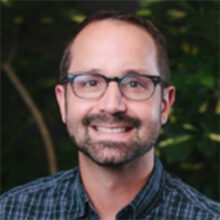
Scott Leonard Senior Program Manager, Energy Trust of Oregon
Scott Leonard is a Senior Program Manager at Energy Trust of Oregon, based in Portland, Oregon. He has been with the organization since February 2016, managing multiple residential programs and supporting builders and subcontractors in constructing high-performance, energy-efficient homes that qualify for Energy Trust incentives. Leonard brings over 20 years of experience in new construction programs, retrofit programs, program management, and energy efficiency initiatives. His work includes, developing and implementing new incentive offerings for Energy Trust’s new construction, existing home retrofit, and retail products channels, as well as creating a new offer for those rebuilding after wildfires. Supporting contractors in meeting energy performance standards and accessing renewable energy and efficiency incentives, Scott acts as a bridge between Energy Trust and the construction industry to promote sustainable building practices.
- Early
- $65
- Regular
- $85
2:30 PM – 3:30 PM
Building resilience in tough times
Location: BUILDEX Main Stage (Booth 843)
- Architecture
- Construction & Trades
- Property Management & Building Operations
- Engineering
- Homebuilding & Renovation
- Interior Design
- Cross-Industry
Streams: Workforce Solutions, Business Strategy & Leadership
Building Types: Civil / Infrastructure, Commercial, Industrial, Institutional, Mixed-Use, Residential: Multi-Unit, Residential: Single-Unit
Partners: Vancouver Regional Construction Association (VRCA)
This roundtable will bring together leaders from large and mid-sized general contractor companies for a candid conversation about delayed projects and growing competition. Panelists will share lessons from previous downturns, the difficult decisions that helped their businesses endure, and how they are preparing their companies for whatever comes next. This is an honest conversation about leadership under pressure, riding out the tough times, and emerging stronger on the other side.
- FREE
Presenting Partner
2:30 PM – 3:30 PM
Networking mixer: interior design professionals
Location: Networking Hub (Booth 312)
- Interior Design
Building Types: Civil / Infrastructure, Commercial, Industrial, Institutional, Mixed-Use, Residential: Multi-Unit, Residential: Single-Unit
This mixer is an opportunity for interior design professionals to connect with industry peers in a relaxed yet productive environment. Attendees will have the opportunity to network, share operational insights, and explore innovative solutions to common challenges facing today’s interior design industry.
- FREE