Wednesday, February 11
My Cart9:00 AM – 10:00 AM
Construction Contracts 101
ConEd Credits: AIBC 1 Core; 1 IDCEC General Hour
Location: Level 2: Room 224
- Architecture
- Construction & Trades
- Engineering
- Interior Design
- Economics, Legal, Regulatory & Risk Management
Building Type: Commercial, Industrial, Institutional, Mixed-Use
Construction projects vary widely and each one has its own unique challenges and obstacles to overcome. Capturing the nuance of each project in a contract is tricky business, but it is essential that those working in the construction industry be knowledgeable about the limitations and pitfalls of commonly used contracts. In this session, the speakers will put the “fun” in fundamentals of construction contracts by introducing the foundations, canvassing commonly used forms of contract, highlighting key provisions to which you should pay close attention, and touching on recent contract trends in the industry. In particular, special attention will be paid to the documents prepared by the Canadian Construction Documents Committee including the CCDC 2, CCDC 3, CCDC 5A, CCDC 5B, and CCDC 30.
Speakers

William Woodhead Partner, Borden Ladner Gervais LLP
Bill Woodhead is a Partner at Borden Ladner Gervais LLP in Calgary, Alberta and Vancouver, British Columbia. Bill focuses his practice in the areas of procurement and construction law. He acts for public and private owners, contractors, engineers, subcontractors, and suppliers drafting and negotiating procurement documents and the various agreements required to design, procure and construct any asset. Bill often speaks at construction and industry conferences on all aspects of construction and procurement law.

Gautam Dhillon Partner, Borden Ladner Gervais LLP
Gautam has a robust corporate commercial practice with a focus on large infrastructure projects. Gautam has experience in all aspects of infrastructure projects across a range of project delivery models, including public-private partnerships. He regularly acts for both proponents and lenders on project finance transactions and advises clients on secondary market public-private partnership transactions. Gautam drafts, reviews and negotiates project finance documents, procurement documents and project agreements. Gautam provides legal services through a Law Corporation.
- Regular
- $85
Session Sponsor

9:00 AM – 10:00 AM
BCBC 2024: An Interactive Accessibility Refresher
ConEd Credits: 1 BOMI CPD; AIBC 1 Core; BC Housing 1 CPD (Relevant enactments); 1 IDCEC HSW-Barrier Free
Location: Level 2: Room 217
- Architecture
- Property Management & Building Operations
- Engineering
- Homebuilding & Renovation
- Interior Design
- Economics, Legal, Regulatory & Risk Management
- Design Concepts, Health & Wellness
Building Type: Commercial, Industrial, Institutional, Mixed-Use, Residential: Multi-Unit
This interactive technical refresher explores Section 3.8 Accessibility of the 2024 British Columbia Building Code (BCBC), highlighting key requirements while encouraging participants to understand the functional and objective intent behind these provisions. Through engaging case studies and best practice examples, attendees will discover how to prevent, identify, and remove barriers that inhibit equitable participation, ultimately learning to create adaptable and intuitive spaces that embrace universal design principles. The session demonstrates how combining compliance with an accessible framework allows designers to exceed minimum standards, offering practical insights on balancing regulatory requirements with more inclusive approaches. Participants will refresh their knowledge of the 2024 BCBC accessibility requirements, understand how functional and objective statements lead to intentional accessible design, examine real-world applications that align with both compliance and universal design principles, and gain valuable strategies for going beyond the Code to create truly accessible environments.
Speakers

Samantha Ryan CEO, Technical Lead, ABE Factors Inc.
Samantha Ryan (Proulx) C.E.T., RHFAC, is a leading Canadian technical accessibility specialist and nationally recognized accessibility compliance consultant with over 14 years of experience working on some of Canada’s largest and most complex building projects. Samantha is a designated Certified RHFAC Professional Assessor and former instructor of the RHFAC Program with over 100 RHFAC Ratings completed to date. She is also a co-author of the Amazon best seller "Building Better Bathrooms". Samantha sits on various national accessibility technical committees including Accessible Standards Canada Emergency Egress and Accessible Ready Housing, the Canadian Board for Harmonized Construction Codes (CBHCC) Accessibility Committee, Canadian Standards Association CSA B651 and CSA B652 (Chair), and the RHFAC Technical Committee. Her expertise and ability to easily navigate technical accessibility provisions on behalf of her clients consistently pays tribute to advancing accessibility.

Brieann Ventura Senior Accessibility Consultant, ABE Factors Inc.
Brieann Ventura, CTech, RHFAC, is a technical accessibility specialist and inter-provincially trained building code consultant with over 10 years of experience interpreting a wide range of codes and standards. Her project portfolio includes complex mixed-use developments, civic facilities, transportation hubs, industrial spaces, and more. She contributes her expertise to several national accessibility technical committees, including Accessible Standards Canada’s Accessible Childcare Centres Committee and the Canadian Board for Harmonized Construction Codes (CBHCC) Accessibility Committee. In addition to her committee work, Brieann is active in the community, delivering code presentations and training sessions to professionals across the built environment sector. With a focus on creating spaces that are functional, aesthetically thoughtful, and intrinsically inclusive, she brings both technical precision and design innovation to her work.
- Regular
- $85
Session Sponsor
9:00 AM – 10:00 AM
Integrating Foresight and Inclusive Practice in Design
ConEd Credits: AIBC 1 Core; 1 IDCEC General Hour
Location: Level 2: Room 222
- Architecture
- Interior Design
- Project Planning, Procurement, Management & Delivery
- Design Concepts, Health & Wellness
Building Type: Commercial, Industrial, Institutional, Mixed-Use, Residential: Multi-Unit, Residential: Single-Unit
Explore cutting-edge methodologies empowering design professionals to address Vancouver and BC’s most urgent built environment challenges. This session presents a practical framework that merges strategic foresight, systems thinking, human-centred, and inclusive design. The session will focus on design strategies enabling inclusion, innovation, and future-ready practices. Attendees will gain insight into the differentiation between traditional and advanced approaches to design strategy, including team workflows that support diverse perspectives, equity, and inclusion within decision-making processes. Key learning outcomes include actionable methods to foster truly inclusive environments, while anticipating and solving complex problems.
Speakers

Sabrina Ash Advanced Strategy Lead, B+H International Corp.
Sabrina has over 15 years of experience in commercial design and providing thought leadership in design strategy and innovation. She has worked with a broad range of clients, from the financial to the technology sector, solving diverse and complex stakeholder needs. With a Masters in Strategic Foresight & Innovation, Sabrina engages in an enhanced approach to design strategy, rethinking what is possible through systems and futures thinking. Her approach to problem-finding, framing, and solving helps determine present and future strategic actions to drive innovation and guide organizational & systems change. Sabrina’s extensive experience in leading and facilitating design workshops and visioning sessions, showcases her ability to guide discussions, manage group dynamics, and achieve consensus.
- Regular
- $85
10:00 AM – 11:00 AM
Disruption by Design: The Profession Reimagined Through AI-Driven Workflows
ConEd Credits: AIBC 1 Core; 1 IDCEC General Hour
Location: Tradeshow Floor: TECHCENTRIC (Booth 1603)
- Architecture
- Construction & Trades
- Interior Design
- Technology, Innovation & Smart Buildings
- Artificial Intelligence
Building Type: Commercial, Industrial, Mixed-Use, Residential: Multi-Unit
Artificial Intelligence is transforming how design ideas move from concept to construction. Clients and small developers are already experimenting with AI-generated designs, while architects, interior designers, and builders are adopting new workflows that compress sketching, feasibility, and visualization into rapid, integrated processes. This session will explore what these changes mean for the future of professional practice. How can architects and designers remain essential when clients bring AI-generated concepts to the table? How can small firms leverage AI to compete with larger practices? And what does this shift mean for builders as projects move faster from idea to execution? AI is not just another tool, it is a cultural force reshaping the profession. This session examines emerging workflows, challenges in adoption, and the long-term implications for how architecture, interior design, and construction evolve in an AI-driven future.
Speakers

Kostika Lala Founder, Principal Architect, FlashCube Labs
Kostika Lala is a Toronto based architect and creative technologist exploring how artificial intelligence and visual storytelling can reshape the future of the built environment. His work sits at the intersection of design, technology, and culture, championing an image first design movement that places compelling visuals at the heart of the architectural process. By creating feedback loops between imagery, ideation, and construction, he is helping to redefine how architecture is conceived, communicated, and realized. Licensed with the Ontario Association of Architects since 2020, Kostika has led award winning residential and institutional projects known for their clarity, contextual sensitivity, and collaborative approach. He actively contributes to academic discourse as a guest critic at the University of Toronto and the University of Miami, and was recently featured in Ontario Home Builder Magazine for his work at the forefront of AI driven innovation.
- Regular
- $85
Autodesk TECHCENTRIC Stage

10:30 AM – 11:30 AM
A Collaborative Approach to Tackling the Housing Crisis
ConEd Credits: AIBC 1 Core; BC Housing 1 CPD (Construction management and supervision); 1 IDCEC General Hour
Location: Level 2: Room 224
- Architecture
- Construction & Trades
- Engineering
- Homebuilding & Renovation
- Interior Design
- Project Planning, Procurement, Management & Delivery
- Housing Planning, Development & Supply
- Housing Solutions
Building Type: Residential: Multi-Unit
This session will explore how proven collaborative methods such as Lean can help address the housing crisis. It will present the ways in which collaborative methods can leverage digital construction, mitigate risks, and enhance innovation while expanding construction knowledge and capacity. The speakers will discuss how these approaches can be utilized to address challenges such as tariff impacts and supply chain volatility, review the alignment of these projects with federal funding targeted to address the housing crisis, and present proven design and construction strategies that can be deployed to enhance efficiency. Additionally, the speakers will review the benefits of these methods in attracting and retaining talent, helping to address industry demand.
Speakers

Craig Webber Principal, CEO, Group2 Architecture Interior Design Ltd.
Craig is an Architect and Collaborative Delivery Advisor. He is a past president of the IPDA and one of the most knowledgeable speakers on collaborative delivery in North America. Craig has participated in over 40 Integrated Contracting Models and collaborated on multiple research projects with University of Washington, UBC, and University of Minnesota. He has presented at over 40 events throughout North America on collaborative topics ranging from Target Value Delivery to Contract Impacts on Profitability, Insurability and Risk. He has worked with provincial governments, municipal authorities, private companies as well as various industry partners to advance collaborative delivery methods and innovative construction technology.

Mehak Sidhu Intern Architect, Group2 Architecture Interior Design Ltd.
Mehak is an Intern Architect with Group2 bringing a strong foundation and a passion for collaborative design to every project. Over the past four years, Mehak has contributed to a diverse portfolio of Group2 projects including: UFV Student Residence IPD – a $130M project targeting LEED Gold, emphasizing Indigenous engagement and holistic housing design. Mehak continues to be an active participant in internal knowledge-sharing events such as the Group2 Coffee: Fundamentals of an IPD Contract and RAIC Lifecycle Building Assessment, reinforcing her dedication to professional growth and industry innovation.
- Regular
- $85
10:30 AM – 11:30 AM
Digitally Accelerated Standardized Housing (DASH) to Speed Multi-Family Construction
ConEd Credits: AIBC 1 Core; BC Housing 1 CPD (Construction technology); 1 IDCEC HSW-Building Code
Location: Level 2: Room 217
- Architecture
- Construction & Trades
- Engineering
- Homebuilding & Renovation
- Interior Design
- Technology, Innovation & Smart Buildings
- Housing Planning, Development & Supply
- Prefabrication, Modular & Offsite Construction
- Housing Solutions
Building Type: Residential: Multi-Unit
DASH is a non-proprietary platform aimed at streamlining the delivery of high-quality, multifamily housing by leveraging digital tools, standardized designs, prefabricated building components, and a coordinated supply chain. This innovative approach enables jurisdictions to scale up housing solutions quickly, efficiently, and affordably while focusing on five core goals: speed through standardized prefabrication, cost-efficiency with reduced waste, scalability that adapts to regional needs, environmental sustainability, and collaborative partnerships across the housing ecosystem. This session introduces the DASH platform as a powerful tool for accelerating multi-family housing production, demonstrating how it engages stakeholders throughout the housing spectrum to collectively address barriers to faster development of housing supply, ultimately creating a more responsive and effective approach to meeting urgent housing demands.
Speakers

Esther de Vos Executive Director of Research, BC Housing
Dr. Esther de Vos serves as the Executive Director of Research at BC Housing. As a pracademic with housing research and public policy expertise from both academic and operational perspectives, Esther is passionate about housing and wellbeing and working towards everyone having a home to call their own. She holds the Certified Practitioner credential from the Chartered Institute of Housing Canada and her Doctorate of Social Sciences (Royal Roads University) focused on social housing in Canada and tenant wellbeing. Esther also holds a Master of Public Administration (University of Victoria), a Bachelor of Laws (University of Alberta), and a Bachelor of Arts (University of Alberta). She has taught courses on public policy as Associate Faculty for Royal Roads University since 2019 and will be teaching affordable housing policy and planning at UBC in Winter 2026.

Albert Lam Associate, Iredale Architecture
Albert Lam’s experience ranges from architecture, BIM, innovation, and apprentice carpenter. He brings detailed knowledge of construction methods and a practical approach to resolving on-site issues. His project portfolio includes a variety of heritage, commercial and residential projects, as well as innovation development in sustainability and housing. He is passionate about global and community stewardship. Albert routinely works within international teams and has delivered presentation on innovation to peers globally. He also works closely with City policy makers and staff, as well as directly with communities, on social and economic development, including Vancouver’s Chinatown, the Downtown Eastside, and Strathcona.

Chris Hill Founder, Chris Hill Consulting Inc.
Chris Hill is a seasoned expert in sustainable construction and offsite manufacturing, with over 20 years of experience in the construction industry. As a Chartered Professional Accountant (CPA, CMA) and Master Residential Builder, Chris combines his financial expertise with a deep understanding of building processes. He has designed, fabricated, and constructed numerous prefabricated buildings and light wood-frame structures, focusing on energy-efficient, climate-neutral designs. Chris is a key thought leader in the prefabrication and offsite construction sectors, advocating for scalable solutions to address housing shortages, particularly in underserved communities. A board member for organizations like (Past) Passive House Canada, (Current) Safer Homes BC, Small Housing BC, and Hiy̓ám̓ Housing, Chris is committed to driving innovation, sustainability, and efficiency in the construction industry.

Franck Murat Senior Advisor, Aliova Consulting Inc.
Architect by training, Franck Murat is a pioneer and recognized leader in collaborative BIM, with 20+ years of experience on major projects in Quebec and France. Known for simplifying complex topics, he shares his vision and expertise to drive industry progress. His mastery of collaborative processes, information management, and asset lifecycle makes him a key player in both project delivery and organizational transformation. With a human-centered approach and insight into technical, operational, and strategic issues, Franck identifies opportunities, overcomes challenges, and delivers impactful solutions. Beyond consulting, he contributes to digital transformation through education as a lecturer at Université de Montréal’s Faculty of Environmental Design. A frequent speaker, he addresses human and organizational aspects of digital change. He is also a founding member and former President of Groupe BIM du Québec.

Michael Epp Director of Housing Planning and Development, Metro Vancouver Housing
Michael is a land use and community planner whose work has ranged from neighbourhood planning and visioning projects in New York City neighbourhoods, to managing planning departments in BC communities. As Director of Planning in the City of North Vancouver, Michael championed policies that significantly increased the rental and non-market housing supply, with the City of North Vancouver one of only a small number of municipalities that delivered targeted levels of housing. In his current role, Michael is leading the delivery of 2,000 new affordable homes across the region and advancing policies to help ensure at least 15% of new housing is affordable.
- Regular
- $85
10:30 AM – 11:30 AM
Trauma-Informed Design: A Primer
ConEd Credits: AIBC 1 Core; 1 IDCEC HSW-Barrier Free
Location: Level 2: Room 222
- Architecture
- Interior Design
- Design Concepts, Health & Wellness
Building Type: Institutional
90% of adults in the world have experienced at least one traumatic event. As neuroscience and therapeutic services have advanced in recent years, so has the understanding of trauma and of the impacts of the built environment on human emotions. In turn, Trauma-informed Design (TiD) is emerging as a specialized field of practice which, at its core, results in spaces that embody safety, foster resilience, and support healing. This presentation will start by providing a brief broad-based understanding of trauma: the types, effects on the brain, symptoms, and triggers. Attendees will then gain insight into the Trauma-informed Design framework composed of three spheres – policy and practice, design process, and the built environment. Finally, the role of the designer in the TiD framework will be discussed followed by the presentation and analysis of projects that have implemented the Trauma-informed Design process.
Speakers

Alyssa Myshok Principal, BlueFish Studio
A graduate from the University of Manitoba’s Interior Design program, Alyssa worked at a variety of large and small design firms in Vancouver and Alberta, prior to establishing her own firm. This has afforded her a diverse portfolio of projects both in scope and use – hotels, restaurants, offices, healthcare facilities, sports facilities and private homes. She is keenly interested in the psychology of interior design – the power of a space to influence our emotions … to excite, inspire, comfort … or, on the flip side, to repel. Currently Alyssa is engaged in investigating the connection between neuroscience and the built environment. Alyssa is a past president of IDIBC and current president of the newly formed PIDAA – the Professional Interior Designers Advocacy Association of BC.
- Regular
- $85
11:15 AM – 12:15 PM
Speed Networking Wednesday
Location: Tradeshow Floor: Innovation & Networking Hub (Booth 201)
- Architecture
- Construction & Trades
- Property Management & Building Operations
- Engineering
- Homebuilding & Renovation
- Interior Design
- Cross-Industry
Building Type: Civil / Infrastructure, Commercial, Industrial, Institutional, Mixed-Use, Residential: Multi-Unit, Residential: Single-Unit
The built environment’s version of speed dating, this memorable fast-paced event introduces you to a wide range of design, building, construction, and real estate industry professionals, so your networking time is optimized for efficiency and impact.
Pre-registration for this session is required. Admission will be granted on a first-come, first-served basis.
- Free
1:00 PM – 2:00 PM
Beyond the Buzzword: What Collaboration Really Means in Construction
ConEd Credits: AIBC 1 Core; BC Housing 1 CPD (Construction management and supervision); 1 IDCEC General Hour
Location: Level 2: Room 224
- Architecture
- Construction & Trades
- Property Management & Building Operations
- Engineering
- Homebuilding & Renovation
- Interior Design
- Cross-Industry
- Project Planning, Procurement, Management & Delivery
Building Type: Civil / Infrastructure, Commercial, Industrial, Institutional, Mixed-Use, Residential: Multi-Unit, Residential: Single-Unit
The word collaboration is everywhere, yet building itself is inherently collaborative. True collaboration is not about slogans or aspirational language, it is about how risk is allocated, how contracts are structured, how procurement is managed, and how people on the project show up each day to solve problems. When owners, contractors, and consultants lean on the term without embedding fairness and transparency into their processes, the result is frustration, mistrust, and unnecessary conflict. This session will cut through the buzzwords to examine what collaboration actually requires: clear and balanced contracts, prompt payment that lets team members make a profit, and procurement practices that support rather than undermine trust. Attendees will gain a sharper understanding of what collaboration looks like in practice, how to recognize when it is missing, and what tools can create genuine conditions for teamwork. Hint: You do not need a delivery method for collaboration.
Speakers

Katy Fairley Principal, Fairley Strategies
Katy Fairley, Principal Consultant, Fairley Strategies, is an expert and adviser on topics related to project delivery, construction contracts and procurement best practices. Katy supports both public and private sector owners, including developer-builders, the First Nation communities, school districts, crown corporations, health authorities, and strata corporations, by defining strategies and risk mitigation for procurement and contract administration. Additionally, Katy promotes and advocates for fair, open and transparent construction practices as Industry Practices Consultant for the BC Construction Association (BCCA). Previously, Katy was a vice-president for a diversified general contractor and construction manager in southern BC. She has served on the Board of Directors for multiple construction associations at the local, provincial, and national levels and is regularly invited to speak at industry conferences.
- Regular
- $85
1:00 PM – 2:00 PM
Designing for Brand Expansions
ConEd Credits: AIBC 1 Core; 1 IDCEC General Hour
Location: Level 2: Room 222
- Architecture
- Interior Design
- Project Planning, Procurement, Management & Delivery
- Design Concepts, Health & Wellness
Building Type: Commercial
As brands expand nationally, design teams face increasing pressure to deliver spaces that feel both consistent and fresh. Copy-and-paste design does not cut it in today’s market; success requires scalable processes that protect creativity while meeting rollout demands. In this session, the speaker will share insights on moving from concept to reality across dozens of locations. Attendees will learn how to anticipate common rollout challenges such as permitting delays, consultant misalignment, or construction drift, and how to align teams, timelines, and toolsets to stay on track. Through real-world examples, the speaker will provide designers, developers, and contractors with practical frameworks for maintaining design integrity at scale. Targeted at intermediate to advanced professionals in design, development, and construction, this deep dive offers actionable takeaways for anyone managing multi-location projects.
Speakers

Ruth M’Rav Jankelowitz Principal, Founder, Janks Design Group Inc.
Ruth is an NCIDQ-certified designer with over 30 years of experience in commercial and hospitality design, specializing in the food and beverage industry. Renowned for her ability to create fresh, unique spaces, she excels at designing environments that capture a brand’s essence while ensuring consistency across multiple locations. Her work with brands like OEB and Tap & Barrel exemplifies her skill in developing distinctive spaces that enhance customer experiences and drive business growth. With a portfolio featuring over 200 restaurants, 150 stores, 60 corporate offices, and 52 medical offices, Ruth combines creativity with strategic insight. She has collaborated with global brands such as Timberland, Nike, and DKNY, as well as established names like Nando’s and Browns Social House. At Janks Design Group Inc. (JDG), Ruth leads full-service projects from concept to reality, aligning innovative design solutions with client vision to create impactful spaces that sell.
- Regular
- $85
2:30 PM – 3:30 PM
Designing Student Housing for Equity, Well-Being, and Community
ConEd Credits: AIBC 1 Core; BC Housing 1 CPD (Construction management and supervision); 1 IDCEC HSW-Barrier Free
Location: Level 2: Room 220
- Architecture
- Engineering
- Homebuilding & Renovation
- Interior Design
- Design Concepts, Health & Wellness
- Housing Planning, Development & Supply
- Housing Solutions
Building Type: Institutional, Mixed-Use, Residential: Multi-Unit
This session examines the critical role of student housing design in shaping campus life and the wider community. As Canada faces an intensifying housing crisis, student residences are becoming essential to easing pressure on rental markets while safeguarding equitable access to education. Drawing on recent work with the University of British Columbia, the presentation will share strategies that balance long-term sustainability with the unique needs of students in early adulthood. The session will address challenges of affordability and inclusivity, highlighting design approaches that foster resilience and adaptability. Attendees will gain insight into how student housing design can support mental health, create a strong sense of belonging, and offer innovative models for the broader housing sector, while also exploring the role of partnerships between institutions and communities in delivering viable, forward-looking solutions.
Speakers

Ashton Stare Associate, Architect, 3XN Architects
Ashton Stare is an Associate at 3XN Architects, with expertise spanning large-scale public projects, sustainable design, and mass timber construction. He holds a Master of Architecture degree, complemented by studies in urban planning and environmental design, giving him a unique multidisciplinary perspective on the built environment. At 3XN, Ashton leads complex projects from initial concept through construction across North America. His work encompasses diverse typologies including multi-family residential developments, sports stadiums, higher education facilities, museums, performance venues, office buildings, and transportation infrastructure. Ashton is currently leading the design of UBC’s Lower Mall Precinct Phase 1 Student Housing Development, delivering 700,000 sf and 1500 beds, dining and childcare facilities, and amenities to their Vancouver Campus.
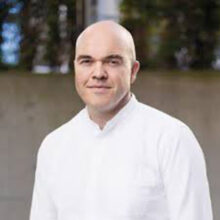
Adam James Principal, Architect, Ryder Architecture
Adam is a Principal of Ryder Architecture in Vancouver, where he leads projects with a strong focus on energy efficiency and high-performance design. His residential experience spans a wide range of housing typologies, including student housing, affordable and supportive housing, and complex care, giving him a deep understanding of how to design residences that balance well-being, functionality, and long-term durability. Adam has delivered certified projects across British Columbia, including the award-winning, LEED-certified tə šxʷhəleləm̓s tə k̓ʷaƛ̓kʷəʔaʔɬ (The Houses of the Ones Belonging to the Saltwater) student residence at the University of British Columbia and the Timbre and Harmony non-market housing projects. Through this work, he continues to set new benchmarks for comfort, livability, and operational efficiency. Adam is currently working on UBC’s Lower Mall Precinct Phase 1 Student Housing Development.
- Regular
- $85
2:30 PM – 3:30 PM
Prompt Payment: Anticipating a New Era for BC’s Construction Industry
ConEd Credits: AIBC 1 Non-Core; BC Housing 1 CPD (Relevant enactments)
Location: Level 2: Rooms 215/216
- Architecture
- Construction & Trades
- Property Management & Building Operations
- Engineering
- Homebuilding & Renovation
- Interior Design
- Cross-Industry
- Economics, Legal, Regulatory & Risk Management
Building Type: Commercial, Industrial, Institutional, Mixed-Use, Residential: Multi-Unit, Residential: Single-Unit
Prompt payment and adjudication legislation will represent the most significant change to the BC construction industry in a generation. This panel brings together perspectives from government, legal, contractor, and trade to explore what this legislation could mean in practice, how it needs to connect to and align with lien legislation, and what businesses should be doing now to prepare. Owners, consultants, contractors, and trades will all need to examine and adapt their internal processes to ensure compliance with any new laws and regulations. Panelists will also highlight how adjudication could operate as a fast-track dispute resolution tool and what it means for day-to-day project management. The shift will undoubtedly require not just contract revisions but also changes in billing practices, accounting systems, and project administration. Discussion will cover key features including how payment processes, contract terms, project cash flow, and payment certification practices may need to adapt across the supply chain.
Speakers
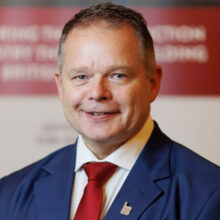
Chris Atchison President, British Columbia Construction Association
Chris Atchison is the President of the British Columbia Construction Association (BCCA), where he leads initiatives to modernize the construction industry, enhance workforce development, and drive economic growth for the province. With over 25 years of experience in leadership, employment, and training strategies, he oversees programs such as the Skilled Trades Employment Program (STEP), Integrating Newcomers (IN), and the Builders Code. He actively participates in industry advisory boards, including the Deputy Minister Industry Infrastructure Forum and the Canadian Construction Association’s National Advisory Council, where he helps guide the future of the sector in British Columbia and across Canada.

Kyle Wisniewski General Manager, BC Region, Black & McDonald Limited
Kyle Wisniewski is the General Manager for Black & McDonald Limited’s BC Region, overseeing Mechanical & Electrical Service, Facility Maintenance & Operations, Construction, and the Kelowna & Vernon Hospital Project divisions. With extensive experience in managing complex projects and multidisciplinary teams, Kyle focuses on operational excellence, strategic growth, and fostering collaboration across service lines. His leadership ensures timely project delivery and strong client relationships in both the public and private sectors. Kyle is deeply engaged in advancing best practices in construction and maintenance, including initiatives that improve efficiency, safety, and financial transparency. As a senior leader in one of Canada’s largest integrated contractors, he brings practical insight into how legislative changes, such as BC’s new Prompt Payment framework, impact contractors, subcontractors, and owners. Kyle is committed to building resilient teams and supporting industry-wide improvements that benefit businesses and communities.

Katie Armitage Legal Counsel, Ministry of Attorney General, Justice Services Branch
Katie Armitage is legal counsel with the Ministry of Attorney General’s Justice Services Branch, where she supports the Ministry’s work around legislation, policy, and law reform. Katie was called to the bar in 2007 after graduating from UBC’s Faculty of Law in 2006 and has worked in both the private and public sectors in Ontario and BC.

David Volk Partner, Jenkins Marzban Logan LLP
David is a highly experienced construction lawyer and partner at Jenkins Marzban Logan LLP. He provides advice and representation at all stages of a project, including contract drafting, tendering, negotiations, mediation, arbitration, and in court. He works with all types of clients in the industry, including owners (private and First Nations), general contractors, subcontractors, and material suppliers. Much of David’s construction practice involves acting as litigation counsel in large, complex disputes that require strategic planning and close attention to detail.

Glenn Ackerley Partner, WeirFoulds LLP.
Glenn is the Chair of the Construction Practice Group at WeirFoulds LLP, specializing in construction law, liens, and litigation. As a trusted project lawyer, he advises clients across the construction industry – owners, developers, contractors, and consultants – on contracts, procurement, risk management, and dispute resolution. An active industry leader, Glenn has served on the National Advisory Council of the Canadian Construction Association, the Toronto Construction Association Board, and Ontario’s Expert Panel on Construction Lien Act reforms. He has also taught construction law at Toronto Metropolitan University and frequently speaks at industry and legal seminars. With extensive experience in mediation and arbitration, Glenn is a go-to expert for navigating legal challenges and ensuring fair, efficient project outcomes.
- Regular
- $85
2:30 PM – 3:30 PM
Multiplex Done Right: Building the Next Vancouver Special for Multi-Generational Living
ConEd Credits: AIBC 1 Core; BC Housing 1 CPD (Construction management and supervision); 1 IDCEC HSW-Building Code
Location: Level 2: Room 217
- Architecture
- Construction & Trades
- Engineering
- Homebuilding & Renovation
- Interior Design
- Housing Planning, Development & Supply
Building Type: Residential: Multi-Unit
With the recent passing of provincial legislation Bill 44, new opportunities have opened up for small-scale, multi-unit housing projects. In this session, attendees will learn what it takes to build a successful multiplex for multi-generational living.
Hear about 5-plex and 6-plex projects currently under construction and learn about some of the best practices and lessons learned from all stages, including:
- Assessment: How to assess a property’s multiplex potential
- Planning & Design: Achieve optimal space utility for multi-generational sharing
- Development & Permitting: How to navigate regulations and the application process
- Construction: Build high-quality with time and cost efficiency
Attendees will walk away with knowledge on the history, facts, solutions, and trajectory of multiplex development in Metro Vancouver.
Speakers

Lola Brkic Head of Partnerships, Laidler Capital
With over a decade of experience in real estate new development sales and marketing, Lola Brkic brings deep expertise in presale strategy, branding, and lead generation. She has supported more than 30 projects across Metro Vancouver, helping builders and real estate professionals unlock the full value of their developments. Most recently, she has joined the Laidler Capital team, applying her wealth of knowledge to their Multiplex development, marketing, and advocacy work. Known for turning ideas into action, Lola is passionate about creating partnerships that drive measurable results and long-term growth.

Louis Nguyen Director of Sales & Marketing, Costar Construction (a Subsidiary of THT Properties)
Louis Nguyen’s career is a testament to the power of combining hands-on expertise with strategic business acumen. His journey began in 2011, working alongside his brother on a custom home project. After graduating with a double major in Finance and Economics from the University of Toronto, he honed his skills in project accounting before officially joining his brother at THT Properties in 2015. This partnership evolved into the co-founding of Costar Construction, a firm specializing in multiplex development. Under their joint leadership, Costar has achieved significant success, including winning the 2024 Georgie Award for Best Multiplex Home Projects and securing an impressive 18% annual return for investors on a major townhouse site. With a focus on providing livable, multi-generational housing solutions, Louis Nguyen is an emerging leader in Vancouver’s multiplex development space, committed to turning these properties into a new standard for harmonious family living.

Sanj Agrawal Owner, CEO, Icon Projects Ltd.
Sanj Aggarwal is a Canadian Home Builders’ Association (CHBA) Master Residential Builder (MRB). This prestigious designation is awarded to individuals who have pursued excellence and education in all aspects of home building, including project management, site supervision, building code, building sciences, and many other industry-relevant topics. Sanj is deeply committed to building homes that not only meet but exceed code requirements, incorporating the latest building advancements and techniques to create structures that are built to last. He is also an avid contributor to the Lower Mainland’s Multiplex development scene, actively collaborating with industry leaders to bring more standards-defining, liveable, missing-middle homes to the market, including his latest joint project with Costar Construction and Laidler Capital, with a launch date set in spring 2026.

Bill Laidler President, Laidler Academy & Laidler Capital
As one of RE/MAX Western Canada’s Top 5 Agents between 2013 and 2020, Bill Laidler specialized in helping builders acquire and homeowners sell detached homes with single-family, duplex, triplex, and townhome development potential. Laidler Development has over 400 units in various stages of approval and construction, and Laidler Capital was launched in 2025 to help communities’ members invest alongside Vancouver’s premier builders. Bill is also the developer of the Multiplex Intensive Program offered under Laidler Academy, designed to help real estate professionals, developers, builders, homeowners, and investors master the process of finding feasible development properties and leading profitable acquisitions of Small-Scale Multi-Unit Housing or Multiplex development properties in Metro Vancouver.
- Regular
- $85
2:30 PM – 3:30 PM
The Hospitality Effect: Balancing Vision and Impact in the Canadian Market
ConEd Credits: 1 BOMI CPD; AIBC 1 Core; 1 IDCEC General Hour
Location: Level 2: Room 222
- Architecture
- Construction & Trades
- Property Management & Building Operations
- Interior Design
- Project Planning, Procurement, Management & Delivery
Building Type: Mixed-Use, Residential: Multi-Unit
This panel explores the power of storytelling, narrative, and human experience in creating emotionally connected spaces, while addressing the realities of value, viability, technical standards, and planning frameworks. From interiors that inspire to systems that can either constrain or enable innovation, discover how hospitality-informed strategies can serve as a model for mixed-use projects that are both visionary and enduring.
Speakers

Anthony Nishibata Technical Director, Ste Marie
As Technical Director, Anthony brings over fifteen years of experience in multi-family and tenant improvement design and execution leadership. Known for attention to detail and commitment to quality, he navigates projects from concept to execution with unwavering dedication to excellence. Anthony adeptly manages complex master plan projects to do intricate restaurant and retail builds, mastering budgeting and risk management while fostering teamwork. His industry expertise shines in leading diverse teams and nurturing client relationships, delivering innovative solutions aligned with organizational goals. With a reputation as a strategic visionary, Anthony drives operational efficiency and fosters collaboration.

Jeremy Senko Associate, Ste Marie
As an Associate at Ste Marie, Jeremy is responsible for stewarding the full concept and design process, acting as the client’s advocate from concept through execution and leading the internal team. He balances due diligence with conceptual development, ensuring each design remains true to its vision while meeting operational realities. Jeremy translates narrative-driven concepts into environments that are technically sound and experientially powerful. His leadership bridges envisioning and delivery, preserving design integrity while ensuring projects resonate emotionally and succeed practically.
Jeremy has a bachelor’s degree in Interior Design from KPU and holds an NCIDQ Certification.

Al Bushby Senior Manager of Design / Owner, Principal, PCI Developments / Erudin Design
Trained in Architecture in the old world, and having honed his practice in the new, Al has been a fixture of the Canadian BC architecture community for 20 years, where his experience at firms including Perkins + Will, HCMA, Henriquez, and Gensler have shaped a career which has gravitated to the complex, large mixed use development typology which punctuates the fabric of Vancouvers’ rapidly changing urban landscape. With diverse local experience fostering various communities around Metro Vancouver; he turned to the development world in 2024, where he strives to deliver valued design focused impacts from the developer side as PCI Development’s Senior Manager of Design. He brings his keen commitment to sustainability and understanding of contextual significance, in defining a pragmatic approach to PCI’s goals for their mixed use, and largely transit oriented developments, in response to the ever-shifting needs of our market region.
- Regular
- $85
2:30 PM – 3:30 PM
Architecture Keynote – Innovations in Adaptive Reuse
Location: Tradeshow Floor: BUILDEX Main Stage (Booth 843)
- Architecture
- Engineering
- Interior Design
- Project Planning, Procurement, Management & Delivery
- Sustainability, Carbon Management & High-Performance Buildings
- Design Concepts, Health & Wellness
Building Type: Commercial, Industrial, Institutional, Mixed-Use, Residential: Multi-Unit, Residential: Single-Unit
Adaptive reuse stands as a multi-faceted solution to Vancouver’s urban challenges. The practice of re-using existing structures offers opportunities to eliminate waste, enhance energy efficiency, and reduce embodied carbon in existing structures. Beyond ecological benefits, this practice has demonstrated significant impact on social, cultural, and economic aspects. This year’s architecture keynote will present strategies for adaptive reuse in Vancouver, addressing the balance between preserving architectural heritage and meeting evolving contemporary needs.
Pre-registration for this session is required. Admission will be granted on a first-come, first-served basis.
Speakers

Mona Lemoine Associate, Senior Sustainability Consultant, DIALOG
Mona is a licensed architect with more than twenty-three years of experience in the built environment. Her work addresses the urgencies of climate change by offering design solutions that weave together resilience, equity, health, and biodiversity considerations. As part of these efforts, Mona remains focused on designing and building projects that are enabled to draw down carbon emissions through material performance, circular economy, and regenerative design and development. In combining big-picture systems thinking with attention to detail, Mona works together with clients to craft a carbon impact vision, fit with both ambitious and achievable goals that support their ideal outcomes for the project. Mona is the Chair of the Royal Architectural Institute of Canada (RAIC) Committee on Regenerative Environments (CORE), and Co-Chair of the RAIC Climate Action Engagement and Enablement Plan (CAEEP) steering committee.

Ryan Bragg Principal, Corporate and Commercial, Vancouver, Perkins&Will
Adventurous and curious, Ryan jumped at the opportunity to leave northern Alberta and live with relatives in Europe for several months when he was 14. That journey began a life-long love of travel and an appetite for experiencing different cultures—traits that Ryan believes to be the foundation of his context-first design approach. When responding to the contextual and external influences of a project, Ryan looks for the clear simple design solutions first. Through extensive project experience, he has adopted an objective and malleable approach to design. He likens design to another of his passions, artisanal bread baking: all the right ingredients can be combined in the correct proportions, but a successful outcome requires adjusting and responding to the specific environmental conditions.

Kai Hotson Principal, Architect, SvN Architects + Planners
With nearly 20 years of professional experience working in multiple scales of architectural practice in New York and Toronto, Kai joined SvN in 2024, after having led Hotson Architecture since 2013. Kai is committed to creating high-quality buildings and environments for living and learning. Over the course of his career, he has been involved in a leading role on a variety of projects, ranging from residential housing, community and university buildings, and commercial interiors to master planning and competitions. Kai’s work has been recognized for design innovation through awards and publications, the most recent of which include the Architizer A+ Award and Shaw Contract Design Award for the University of British Columbia tə šxʷhəleləm
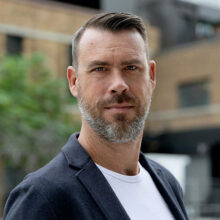
Duncan Bates Senior Associate, Diamond Schmitt Architects
Duncan Bates has a broad range of design experience and has made significant contributions as a design leader since joining the firm in 2005. Projects include the envelope of the Peter Gilgan Centre for Research and Learning at Sickkids Hospital and the PwC-YMCA Tower at Vaughan Metropolitan Centre. As a resident of Guelph, Duncan is pleased to have led the competition-winning proposal for a new central library and 120-unit condominium building that will occupy the north block of the Baker District Redevelopment, a transformational project in downtown Guelph. As the design and project lead for the Waterworks mixed-use building, Duncan oversaw the construction of the heritage adaptive reuse that incorporates a YMCA, considerable European-influenced retail spaces, and 290 residential units in downtown Toronto. Duncan sits on a Region of Waterloo Design Review Panel and has previously participated as a jury member in the selection of public art for the City of Guelph in addition to being a guest critic at a number of post-secondary design institutions.
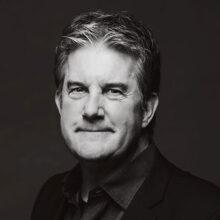
Mitchell Hall Partner, KPMB Architects
Mitchell Hall is recognized for his passion and commitment to architecture as a vehicle for improving the human condition. He believes that architects must offer agency – acting in the best interests of people and place – to help make a better world. He challenges existing paradigms to create buildings and spaces that actively promote wellness, cultivate community building, and address the pressing challenges of our time, from climate change to population growth. Joining KPMB in the formative years of the practice, Mitch worked on seminal Governor General award-winning projects such as Woodsworth College and Kitchener City Hall. He has diverse design and leadership experience, directing interdisciplinary teams to deliver large, complex projects in the culture, hospitality, and education sectors. Mitchell is experienced in various sectors, including science, healthcare, culture, and hospitality. As an advocate of architectural excellence, Mitch has navigated complex programs and approvals to successfully realize the ambitions and aspirations of clients, within the constraints of budget and time.
- Free
4:30 PM – 6:00 PM
BUILDEX Industry Networking Reception
Location: Central Bar
- Architecture
- Construction & Trades
- Property Management & Building Operations
- Engineering
- Homebuilding & Renovation
- Interior Design
- Cross-Industry
Building Type: Civil / Infrastructure, Commercial, Industrial, Institutional, Mixed-Use, Residential: Multi-Unit, Residential: Single-Unit
Reconnect with industry peers and make new contacts as professionals from all sectors of the built environment come together at the BUILDEX Industry Networking Reception. Head to the Central Bar for complimentary drinks, live music, and networking between 4:30pm and 6:00pm on Wed., February 11.
- Free
Thursday, February 12
My Cart9:00 AM – 12:00 PM
Introduction to Project Management
ConEd Credits: 3 BOMI CPD; AIBC 3 Non-Core; BC Housing 3 CPD (Construction management and supervision); 3 IDCEC General Hour; 3 PMI PDUs
Location: Level 2: Room 224
- Architecture
- Construction & Trades
- Property Management & Building Operations
- Engineering
- Homebuilding & Renovation
- Interior Design
- Cross-Industry
- Project Planning, Procurement, Management & Delivery
- Workforce Solutions, Business Strategy & Leadership
Building Type: Civil / Infrastructure, Commercial, Industrial, Institutional, Mixed-Use, Residential: Multi-Unit, Residential: Single-Unit
Having good, consistent project management practices has been directly linked to improving project performance, such as completing on time, on budget and providing the deliverables to customer needs and satisfaction.
This 1-day fundamental course introduces the concepts of project management and provides some essential tools to start the process of managing projects effectively in your organization. It also identifies the differences between projects and operational work and helps attendees define the additional skills required to manage work and people in a project environment.
This course can be customized to an organization’s environment by including a custom case study and/or to reflect an organization’s specific project management methodology.
Speakers

Marcus Hinds Senior Associate, Procept Associates Ltd.
With a robust background in engineering and project management, Marcus has honed a unique blend of industry expertise and academic experience. Since 2014, he has served as a Project Management Consultant at EnerScope Engineering in the GTA and southern Ontario area. He has spearheaded the development, roll out and delivery of impactful projects like the Humber-Enbridge HERO initiative, and other programs aligned with saveONenergy. His results-oriented approach is complemented by extensive project management experience. He always aims to foster clear communication with stakeholders. In addition to his consulting work, he is an Instructor and Professor of Engineering, where his mentoring helps aspiring engineers bridge the gaps between theory and practice. His academic roles extend to course development at respected institutions such as Dalhousie University and the University of Toronto. Marcus’ career began as an Engineering Project Analyst in the Natural Gas sector, followed by a stint in Power Generation. In both industries, he played a critical role in enhancing pipeline safety and operational efficiency through leading and implementing various projects.
- Regular
- $235
9:00 AM – 10:00 AM
The Shifting Ground of Fair Procurement
ConEd Credits: AIBC 1 Core; BC Housing 1 CPD (Legal issues); 1 IDCEC General Hour
Location: Level 2: Rooms 215/216
- Architecture
- Construction & Trades
- Property Management & Building Operations
- Engineering
- Homebuilding & Renovation
- Interior Design
- Cross-Industry
- Project Planning, Procurement, Management & Delivery
Building Type: Commercial, Industrial, Institutional, Mixed-Use, Residential: Multi-Unit
Fair and transparent procurement is the foundation of trust between owners and contractors, yet current practices are putting that foundation at risk. Unique to Canada, “Contract A” underpins open competition, applying to both bids and Requests for Proposals, yet it is under pressure and its erosion raises serious risks for fairness, transparency, and accountability in procurement. This session expands the conversation beyond the legal framework to examine how procurement practices are shifting, what risks are emerging for owners and contractors, and where opportunities exist to course-correct. With case studies, legal perspectives, and industry examples, speakers will unpack the consequences of weakening “Contract A” and provide practical tools to safeguard the integrity of procurement processes. For owners, the session highlights how protecting procurement supports trust and value for money, while contractors will learn to recognize red flags and protect their bids and bottom line.
Speakers
Katy Fairley Principal, Fairley Strategies
Katy Fairley, Principal Consultant, Fairley Strategies, is an expert and adviser on topics related to project delivery, construction contracts and procurement best practices. Katy supports both public and private sector owners, including developer-builders, the First Nation communities, school districts, crown corporations, health authorities, and strata corporations, by defining strategies and risk mitigation for procurement and contract administration. Additionally, Katy promotes and advocates for fair, open and transparent construction practices as Industry Practices Consultant for the BC Construction Association (BCCA). Previously, Katy was a vice-president for a diversified general contractor and construction manager in southern BC. She has served on the Board of Directors for multiple construction associations at the local, provincial, and national levels and is regularly invited to speak at industry conferences.
Glenn Ackerley Partner, WeirFoulds LLP.
Glenn is the Chair of the Construction Practice Group at WeirFoulds LLP, specializing in construction law, liens, and litigation. As a trusted project lawyer, he advises clients across the construction industry – owners, developers, contractors, and consultants – on contracts, procurement, risk management, and dispute resolution. An active industry leader, Glenn has served on the National Advisory Council of the Canadian Construction Association, the Toronto Construction Association Board, and Ontario’s Expert Panel on Construction Lien Act reforms. He has also taught construction law at Toronto Metropolitan University and frequently speaks at industry and legal seminars. With extensive experience in mediation and arbitration, Glenn is a go-to expert for navigating legal challenges and ensuring fair, efficient project outcomes.
- Regular
- $85
9:00 AM – 10:00 AM
Creating Positive Social Impact Through Design and Architectural Processes
ConEd Credits: AIBC 1 Core; 1 IDCEC HSW-Barrier Free
Location: Level 2: Room 222
- Architecture
- Interior Design
- Workforce Solutions, Business Strategy & Leadership
- Design Concepts, Health & Wellness
Building Type: Commercial, Institutional, Mixed-Use, Residential: Multi-Unit
Partners: IDIBC
Interior designers and architects have the power to create net positive social sustainability by embedding equitable and empathic interventions into their core processes. Long accepted methodologies require adjustments to effectively address emerging and traditionally ignored biopsychosocial needs. This session will cover transformation on the level of practice and Practioners alike, emphasizing alignment between your design culture and positive social impact. Participants will explore what it means to design from the margins, consider intersectionality and respectfully consult with those most affected by the spaces you create. Practical and actionable process enhancements will be offered along with examples from a variety of built environment typologies.
Speakers

Lisa MacVicar Principal, Lisa MacVicar Consulting & Coaching Inc.
For the past 33 years Lisa has worked in the fields of Interior Design, Workplace Strategy Consulting and Leadership Coaching. She has curated a multidisciplinary approach to guide organizations as they navigate complex psychosocial challenges. Lisa hold certificates in Diversity & Inclusion, Psychological Health and Safety in the Workplace and Performance Leadership. She is an ICF certified Coach (ACC) and a Prosci certified Change Management Practitioner (CMP). As a WELL AP, WELL Faculty and WELL Advisor, Lisa focuses on biopsychosocial interventions through the certification process in the built environment. Additionally, Lisa instructs for the University of Toronto’s Rotman Executive Program, Inclusion by Design. She has held the position of DEI Director on the ICF Toronto Board of Directors, served on the ARIDO DEI Foundation committee and Deloitte’s National & Global DEI committees. In April 2025 she launched an on-demand continuing education academy for design professionals.
- Regular
- $85
Presenting Partner

10:30 AM – 11:30 AM
From Forest to Form: Sourcing Local Wood for BC Projects
ConEd Credits: AIBC 1 Core; BC Housing 1 CPD (Construction technology); 1 IDCEC HSW-Sustainability
Location: Level 2: Rooms 208/209
- Architecture
- Construction & Trades
- Engineering
- Homebuilding & Renovation
- Interior Design
- Project Planning, Procurement, Management & Delivery
- Technology, Innovation & Smart Buildings
- Sustainability, Carbon Management & High-Performance Buildings
- WoodWorks at BUILDEX
Building Type: Commercial, Industrial, Institutional, Mixed-Use, Residential: Multi-Unit, Residential: Single-Unit
Partners: WoodWorks
Wood and mass timber are increasingly being specified for all kinds of buildings and spaces in BC, including mid-rise and taller residential apartments, schools, and healthcare facilities. Does this mean BC will cut down more trees? On this panel, hear BC’s Chief Forester discuss the province’s forest management practices and wood supply. Learn from a recently completed project that effectively sourced local wood materials and discover the tools and resources available to assist in procuring wood products from BC’s forests.
Speakers

Helen Goodland Principal, Head of Research and Innovation, Scius Advisory Inc.
Helen Goodland is an architect registered in the UK and has an MBA from the University of BC. As head of research and innovation for Scius, she brings over 30 years of experience working on transformative solutions for the real estate and construction industries in Canada and around the world. Helen is firmly committed to achieving truly sustainable buildings within the next decade. She is also passionate about advancing leadership opportunities for women in construction technology. To this end, she participates on numerous boards and committees. Currently she serves on the Board of Directors of Building Transformations (formerly CanBIM), the BC Digital Advisory Council, the BCIT Mass Timber Education Advisory Board and the University of Victoria’s Green Civil Engineering Advisory Council. She is also past chair of the UN Sustainable Buildings Initiative’s Materials Technical Committee.

Shane Berg
Shane Berg is an Assistant Deputy Minister, and the Chief Forester, for the Province of BC with the Ministry of Forests. Shane obtained his BSc. in Forestry from the University of Alberta and has more than 35 years of experience working within BC’s Public Service. Shane is a registered professional forester (RPF) and has worked throughout the province, beginning as a silviculture technician in Invermere, a silviculture forester in Grand Forks, a forest planning manager in Squamish, and eventually taking on district manager roles over a span of 14 years with the BC Forest Service in northern BC (Hazelton) and the southern interior (Kamloops). He spent six years working as a regional executive director with the Ministry of Aboriginal Relations and Reconciliation until he returned to FLNR as an executive director and the deputy chief forester in 2017, a role that he held until has appointment as BC’s 18th chief forester in June of 2022. The mantra for the Office of the Chief Forester is “Caring for BC’s Forests”…and Shane’s goal as chief forester is to promote BC as a world leader in sustainable forest management.

Ayme Sharma Associate Principal, ZGF Architects
Ayme leads ZGF Vancouver’s Building and Project Performance Team, drawing on almost 20 years of professional experience in architecture centered on building performance and environmental stewardship. Trained as both an ecologist and an architect, Ayme brings deep expertise in embodied carbon, healthy materials, high-performance envelope design including Passive House and LEED certification. Her current research delves into linking the biogenic value of wood to sustainable forest management practices in BC to understand carbon and ecosystem benefits. Ayme has cultivated an extensive network of wood industry partners that spans the entire supply chain-from First Nations forest stewards to both small- and large-scale product fabricators. Ayme brings expertise in designing one of the first CLT elementary schools in British Columbia that promotes student health and well-being.

Rebecca Holt Senior Director, Sustainability, hcma
Rebecca Holt is an urbanist and passionate advocate for our planet. She spent her career collaborating with design teams, organizations, and researchers on strategies for high-performance buildings, neighborhoods, and cities. She leads hcma’s Impact Team, shaping how we practice, operate, and advocate. A subject matter expert with a foundation in building performance assessment and climate-responsive design, Rebecca brings decades of experience in design guidance. She is a strategist and steward of process dedicated to outcomes that respect the planet and include everyone.
- Regular
- $85
Presenting Partner

10:30 AM – 11:30 AM
Influence: The Ultimate Business Skill
ConEd Credits: AIBC 1 Non-Core; 1 IDCEC General Hour
Location: Level 2: Room 221
- Architecture
- Construction & Trades
- Property Management & Building Operations
- Engineering
- Homebuilding & Renovation
- Interior Design
- Cross-Industry
- Workforce Solutions, Business Strategy & Leadership
Building Type: Civil / Infrastructure, Commercial, Industrial, Institutional, Mixed-Use, Residential: Multi-Unit, Residential: Single-Unit
Influence is at the heart of every business interaction, especially in the building industry, yet most professionals haven’t been taught how to wield it effectively and ethically. This dynamic two-hour workshop, grounded in Dr. Robert Cialdini’s groundbreaking research, delves into the psychology behind why people say “yes” and transforms his seven principles of persuasion—Reciprocity, Unity, Commitment, Social Proof, Authority, Liking, and Scarcity—into practical, actionable strategies for everyday business scenarios. Participants will discover how to create a sense of obligation through Reciprocity, build trust and credibility using Social Proof, and motivate action by leveraging Scarcity, among other powerful techniques. By mastering these psychological triggers, building professionals can enhance their ability to persuade and influence others ethically, creating more successful outcomes in client relationships, team leadership, and business development opportunities.
Speakers

Tara Landes Founder, Bellrock
For 25 years, Tara Landes has been the secret weapon that over 300 small businesses leaders have used as they solve operational challenges. She is a certified change management practitioner from The Prosci Institute and a licensed influence trainer from The Cialdini Institute. She is the lead faculty member for the Bellrock management training programs, having graduated 100s of students and is a sought-after speaker for organizations like TEC Canada and Mackay Forums, and conferences such as Buildex and The Construction Show. Tara earned an MBA from the Richard Ivey School of Business. Currently, Tara is an elected board member for Centre Bay Yacht Station and a mentor in The Forum Mentor Program. When she is not helping clients, you’ll find her on a boat in the Gulf Islands of British Columbia, reading a great book while her husband and sons fish.
- Regular
- $85
Session Sponsor
10:30 AM – 11:30 AM
Transforming Spaces Into Supportive Housing: A Hands-On Design Workshop
ConEd Credits: AIBC 1 Core; BC Housing 1 CPD (Construction management and supervision); 1 IDCEC HSW-Building Code
Location: Level 2: Room 207
- Architecture
- Engineering
- Homebuilding & Renovation
- Interior Design
- Housing Planning, Development & Supply
- Housing Solutions
Building Type: Residential: Multi-Unit
How can we transform vacant offices and schools into supportive housing – at one-third the cost and time of new builds? This design charrette tackles that challenge head-on. Using real building typologies, participants will stress-test partition and system layouts, and pro forma models, to uncover strategies that meet regulatory requirements and occupant needs, without escalating costs or compromising health-focused programming. Expect to leave with scalable design principles, floorplate strategies, and insights into procurement and operational models to transform underused assets into supportive housing – quickly and effectively.
Speakers

Veronica Owens Interim Market Lead, Energy and Sustainability, WSP Canada Inc.
Veronica Owens is a Senior Sustainability Advisor and Interim Market Lead – Energy and Sustainability with WSP. She has a background in green building policy and rating systems and has over 16 years of experience in sustainability consulting. She has a successful track record delivering green building certifications (LEED, Fitwel, WELL, Green Globes) and regulatory compliance reporting for mixed use residential/commercial campuses and stand-alone market, affordable and transitional residential projects (student residences, seniors). She has worked across a wide range of other sectors, including industrial (warehousing, works yards, ports), laboratory, healthcare, institutional, and transportation.

Emily Miranda National Program Lead Future Ready, WSP Canada Inc.
Emily is a Registered Professional Planner who is passionate about environmental and land use policy development, and public outreach. In addition to her land development and municipal planning work, Emily has assisted with organizing and facilitating group workshops for private and public sector clients which included engaging the public and stakeholders, obtaining meaningful feedback, and preparing consultation summary reports. Emily currently leads a program to help people critically analyze and proactively respond to megatrends – extensive transformative processes with a significant global impact. Her role includes engaging with internal staff and clients to educate them on relevant megatrends and facilitating workshops with subject matter experts to develop solutions that mitigate the risks that a megatrend may pose to a project.
- Regular
- $85
10:30 AM – 11:30 AM
Environmental Product Declarations for Sustainable Interiors
ConEd Credits: AIBC 1 Non-Core; 1 IDCEC HSW-Sustainability
Location: Level 2: Room 222
- Architecture
- Interior Design
- Sustainability, Carbon Management & High-Performance Buildings
Building Type: Commercial, Industrial, Institutional, Mixed-Use, Residential: Multi-Unit, Residential: Single-Unit
As the demand for sustainable interiors continues to grow, designers and architects are expected to balance beauty, functionality, and environmental impacts. This session explores how to integrate Environmental Product Declarations (EPDs) into material selection for interiors, from flooring and wall coverings to ceiling materials and furniture. Attendees will learn how to interpret the environmental indicators within EPDs, evaluate trade-offs, and make informed product decisions that align with green building standards. Real-world examples and case studies will demonstrate how EPDs can support climate goals, client expectations, and project transparency across both commercial and residential interiors. In addition, this session will cover the process of developing, verifying, and approving an EPD with a program operator. Whether you’re selecting finishes for a hotel lobby or a healthcare facility, this session will provide practical knowledge to elevate your sustainability practice.
Pre-registration for this session is required. Admission will be granted on a first-come, first-served basis.
Speakers

Shiva Zargar Founder, Director of Science and LCA, Build Neutral Inc.
Dr. Shiva Zargar is a life cycle assessment (LCA) scientist and expert and the founder of Build Neutral, where she helps businesses navigate complex environmental challenges through data-driven solutions. With over 10 years of experience in LCA and as an accredited EPD verifier, she brings deep technical knowledge and industry insight to her work. She holds a PhD in Sustainable Bioeconomy from the University of British Columbia (UBC), supported by the Vanier Canada Graduate Scholarship, and combines academic excellence with practical impact across industrial ecology, environmental modelling, and techno-economic analysis. With two master’s degrees, one in biosystem mechanics in the field of renewable energies and another in biology focusing on environmental impact assessment, she is a frequent contributor to conferences and publications. Dr. Zargar is committed to empowering businesses through the lens of life cycle thinking.
- Free
11:15 AM – 12:15 PM
Speed Networking Thursday
Location: Tradeshow Floor: Innovation & Networking Hub (Booth 201)
- Architecture
- Construction & Trades
- Property Management & Building Operations
- Engineering
- Homebuilding & Renovation
- Interior Design
- Cross-Industry
Building Type: Civil / Infrastructure, Commercial, Industrial, Institutional, Mixed-Use, Residential: Multi-Unit, Residential: Single-Unit
The built environment’s version of speed dating, this memorable fast-paced event introduces you to a wide range of design, building, construction, and real estate industry professionals, so your networking time is optimized for efficiency and impact.
Pre-registration for this session is required. Admission will be granted on a first-come, first-served basis.
- Free
11:30 AM – 12:30 PM
Interior Design Keynote – Reshaping Corporate Environments
Location: Tradeshow Floor: BUILDEX Main Stage (Booth 843)
- Architecture
- Interior Design
- Design Concepts, Health & Wellness
Building Type: Commercial
Partners: IDIBC
As organizations accelerate return-to-office mandates, interior design is increasingly being leveraged to drive business strategy and unlock organizational value. Interior designers are now tasked with reshaping corporate offices into dynamic environments that serve multiple purposes. Panelists will present innovative design strategies and successful projects that foster productivity and connection while authentically reflecting corporate brand values. Attendees will gain a forward-looking perspective on how strategic design can reframe the future of corporate spaces.
Pre-registration for this session is required. Admission will be granted on a first-come, first-served basis.
Speakers

Dora Anderson Partner, Ecotecture
Dora Anderson, RID, LEED® AP, WELL® AP, is the current President of the Interior Designers Institute of British Columbia (IDIBC) and Partner‑Founder of ECOTECTURE, an Okanagan‑based green building design consultancy. With more than 20 years of practice, she has led sustainable commercial and residential projects across Canada and abroad and previously served as Managing Partner at MQN Interiors from 2009 to 2024. A Registered Interior Designer (RID) with IDIBC, Dora’s work has been recognized with Top 20 Under 40, SICA, OHAE, Georgie, and Tommie awards, as well as first place in the 2025 Enterprize Challenge. She is an active member of IDC, ASID, NEWH, Passive House and CAGBC. Dora is passionate about a holistic design process that prioritizes wellness, resiliency, and authentic connection. She approaches every project with a commitment to aligning people, place, and purpose while advancing sustainability and organizational value.

Stephanie Panyan Principal, Interior Design, B+H International Corp.
Stephanie Panyan is a Principal and Interior Design Director at B+H, recognized for her ability to create workplaces that reflect and elevate the distinct cultures of the organizations she partners with. With experience spanning consulting firms, tech companies, financial institutions, and public-sector organizations, Stephanie is adept at immersing herself in each client’s mission, values, and ways of working to translate them into thoughtful, high-performing environments. Her approach blends strategic inquiry with design sensitivity, uncovering what motivates teams, how they collaborate, and the conditions they need to do their best work. She has led the design of numerous large-scale workplace transformations, shaping spaces that foster connection, creativity, and long-term adaptability. Whether supporting companies undergoing rapid growth, cultural change, or modernization, Stephanie is known for delivering workplaces that are not only functional and flexible but also deeply aligned with the aspirations and everyday realities of the people who use them.

Rufina Wu Associate Principal, Interior Design Director, Vancouver, Perkins&Will
Born in Hong Kong, Rufina is a city dweller at heart, and is fascinated by the complex variety of needs and programs that compose our shared environment. Rufina recognizes that the end-user is often the silent consumer of architecture, and so has dedicated her career to understanding how the individual naturally inhabits space. Having been native to an environment known for its density, she views space as a precious entity, and she believes that it is the designer’s role to apply a robust design approach to provide spatial solutions that are both tailored and flexible. She is inspired to create spaces that invite the users to play an active role in shaping the environment to suit their unique needs and preferences. Rufina lives and breathes design. From the self-made, upcycled trinkets she has sitting on her desk to the pet inspired paintings she creates in her free time, Rufina’s desire is to produce extraordinary products from ordinary items is evident in everything she touches.
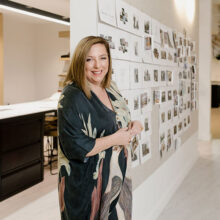
Alison McNeil Partner, Interior Design, DIALOG
Alison McNeil is a Partner at DIALOG and one of the firm’s national leaders in interior design. With more than 20 years of experience, she has shaped award-winning projects across hospitality, retail, and workplace sectors, bringing a balance of bold pragmatism, rigorous detail, and a deep sensitivity to context. Her portfolio includes internationally recognized projects such as the Four Seasons Toronto d|bar, the Four Seasons Toronto Spa, the Four Seasons Resort Whistler, and the JW Marriott Edmonton ICE District. Alison’s approach is rooted in understanding the cultural, urban, and business context of each client, translating abstract ideas into inspiring built environments. From large-scale master planning to the refinement of a single chair, she is known for her ability to move seamlessly across scales and disciplines, delivering spaces that exceed expectations and define global brands.
- FREE
Presenting Partner
1:00 PM – 4:00 PM
Project Communications and Stakeholder Management
ConEd Credits: 3 BOMI CPD; AIBC 3 Non-Core; BC Housing 3 CPD (Construction management and supervision); 3 IDCEC General Hour; 3 PMI PDUs
Location: Level 2: Room 224
- Architecture
- Construction & Trades
- Property Management & Building Operations
- Engineering
- Homebuilding & Renovation
- Interior Design
- Cross-Industry
- Project Planning, Procurement, Management & Delivery
- Workforce Solutions, Business Strategy & Leadership
Building Type: Civil / Infrastructure, Commercial, Industrial, Institutional, Mixed-Use, Residential: Multi-Unit, Residential: Single-Unit
This course is designed to provide participants with an understanding of the complexity of managing stakeholders and project communications. We will cover the processes, tools and techniques of Project Communications Management and Project Stakeholder Management as presented in the Project Management Institute’s (PMI®) A Guide to the Project Management Body of Knowledge® Participants will learn through application to a case study and hands-on exercises.
Speakers
Marcus Hinds Senior Associate, Procept Associates Ltd.
With a robust background in engineering and project management, Marcus has honed a unique blend of industry expertise and academic experience. Since 2014, he has served as a Project Management Consultant at EnerScope Engineering in the GTA and southern Ontario area. He has spearheaded the development, roll out and delivery of impactful projects like the Humber-Enbridge HERO initiative, and other programs aligned with saveONenergy. His results-oriented approach is complemented by extensive project management experience. He always aims to foster clear communication with stakeholders. In addition to his consulting work, he is an Instructor and Professor of Engineering, where his mentoring helps aspiring engineers bridge the gaps between theory and practice. His academic roles extend to course development at respected institutions such as Dalhousie University and the University of Toronto. Marcus’ career began as an Engineering Project Analyst in the Natural Gas sector, followed by a stint in Power Generation. In both industries, he played a critical role in enhancing pipeline safety and operational efficiency through leading and implementing various projects.
- Regular
- $235
1:00 PM – 2:00 PM
Strategic Facilities Planning for Emergency Health Services
ConEd Credits: AIBC 1 Non-Core; 1 IDCEC HSW-Building Code
Location: Level 2: Room 220
- Architecture
- Property Management & Building Operations
- Engineering
- Interior Design
- Project Planning, Procurement, Management & Delivery
- Design Concepts, Health & Wellness
- Public Sector
Building Type: Institutional
This session provides an in-depth look into the BCEHS Strategic Facilities Plan, a 20-year strategy designed to align British Columbia’s ambulance station facilities with growing and evolving service demands. We explore the methodologies and tools developed to evaluate and prioritize BCEHS’s facility needs, including assessing each station’s capacity, quality, and risk factors to address both present and anticipated challenges. The speakers will demonstrate a high level service capacity projection along with data-driven design facilities guidelines and a scoring framework that analyzes essential factors such as projected demand, demographic shifts, geographic risks, and facility conditions. These metrics allow us to strategically address underserved regions, and align facilities with services supporting a changing population.
Speakers

Allison Savigny Principal Facilities Planner, Inform Planning
Allison’s approach to facilities planning is strategic and creative. With both diligent investigation and graphic skills, she combines analysis with communications to produce comprehensive decision support tools that drive the capital planning process. She has years of experience in facility planning, accommodations, and master planning for commercial, municipal, healthcare, civic, academic, not-for-profit and industrial projects. She prides herself on Inform’s ability to achieve exceptional functional programs through a collaborative process. Allison has a Master of Arts in Urban Planning from the University of British Columbia. Allison’s background in urban planning supports her knowledge in community and civic planning. Allison’s predesign strengths lie in community, municipal, civic, community health and workplace functional programming. Her versatile facilitation tools and personable approach to stakeholder engagement make her a favourite among stakeholders and clients.

Aishwarya Thabitha Facilities Planner, Inform Planning
Aishwarya received her Master’s in Community Planning from Vancouver Island University, where she honed her expertise in planning and design. With a diverse background in architecture and facilities planning, she brings strengths in strategic thinking and effective problem-solving to every project. Her approach to planning is both strategic and creative, combining thorough research with strong graphic skills. She excels in client communication and project management, ensuring each project is executed with attention to detail. At Inform Planning, Aishwarya has applied her skills to key healthcare, civic, and commercial projects.

John LaRusic Lead Consultant, Compass Healthcare Management
John has over 12 years of experience in healthcare consulting, project management, and data analytics. His work in healthcare analytics has taken him across Canada, including British Columbia, Alberta, Saskatchewan, and Ontario. John is passionate about making analytics accessible to all healthcare operations stakeholders to support data-driven decision-making. In his previous role as Director of Development at AnalysisWorks Inc., John led development of the LightHouse software-as-a-service report offering that was adopted by all health authorities in BC, as well as the Edmonton Zone in Alberta. John holds a Bachelor of Computer Science from the University of New Brunswick, as well as a Master’s in Mathematics (Operations Research) from Simon Fraser University.

Michael Watibini Senior Development Manager, City of Vancouver
Michael Watibini is a seasoned Registered Professional Planner (RPP, MCIP) with a unique blend of architectural training and healthcare planning expertise. Originally from Nairobi, he holds a B.Arch degree and refined his craft through advanced studies in Canada, earning a Master’s in Planning from the University of Calgary. Since transitioning into healthcare-focused roles, Michael has delivered impactful planning leadership across western Canada. His early career included strategic capital planning at Alberta Health Services, where he began tackling complex health facility projects He subsequently joined Island Health as a Capital Planner before assuming his current role with the Provincial Health Services Authority, specializing in healthcare master planning across varied facilities including acute hospitals, clinics, long-term care, and COVID-19 response infrastructure.
- Regular
- $85
1:00 PM – 2:00 PM
Elevating the Customer Experience Through Redefined Design Standards
ConEd Credits: 1 BOMI CPD; AIBC 1 Core; 1 IDCEC General Hour
Location: Level 2: Room 222
- Architecture
- Property Management & Building Operations
- Interior Design
- Project Planning, Procurement, Management & Delivery
- Design Concepts, Health & Wellness
Building Type: Commercial, Institutional
As financial institutions rethink their physical branches, retail banking is emerging as a key site of design innovation. This session explores how design standards are being redefined to elevate customer experience, drawing inspiration from hospitality and experiential design. The speakers will share insights on creating welcoming, future-focused spaces while also addressing the challenges of implementing new design standards at scale. Using a recent rebrand as a case study, the discussion will highlight how design, technology, and logistics intersect to transform hundreds of locations in a short period of time. Attendees will gain a deeper understanding of the strategies shaping the future of retail banking environments and practical lessons for managing large-scale rollouts.
Speakers

Supreet Barhay Principal, WZMH Architects
As Principal at WZMH Architects, Supreet Barhay leads the firm’s Retail Team, guiding projects in retail, retail banking, residential, and mixed-use intensification from concept through completion. Known for her clarity, precision, and collaborative leadership, she ensures client expectations are met while navigating complex approvals and coordinating multidisciplinary teams.
A LEED® Accredited Professional (BD+C) since 2007, Supreet integrates sustainable design into every project. She joined WZMH through its 2015 merger with Pellow + Associates and became Principal in 2019. Beyond practice, she mentors through the WZMH Academy, SOSA, and the Ontario Association of Architects (OAA), fostering growth, inclusivity, and excellence in the profession.

Gina Hermida Senior Director, Global Design & Standards, Royal Bank of Canada
As Royal Bank of Canada (RBC)’s Director, Global Design, Corporate Real Estate (CRE), Gina Hermida oversees a multi-platform portfolio that delivers extraordinary, sustainable spaces for RBC’s 16 million clients across 26 countries, while shaping inspiring workplaces for over 86,000 employees.
With a Bachelor’s in Architecture and an MBA, Gina brings 20+ years of experience optimizing the built environment – integrating branding, human experience, and enterprise values. She is a dedicated mentor to design professionals new to Canada and champions diversity as a catalyst for meaningful, high-impact solutions.
- Regular
- $85
1:00 PM – 1:30 PM
Design, Document, and Deliver With Vectorworks Architect (Vectorworks)
Location: Tradeshow Floor: TECHCENTRIC (Booth 1603)
- Architecture
- Interior Design
- Technology, Innovation & Smart Buildings
- Housing Planning, Development & Supply
Building Type: Commercial, Institutional, Mixed-Use, Residential: Multi-Unit, Residential: Single-Unit
Discover what Vectorworks Architect can do for your design process and your architectural projects. Join the speaker as they go from initial hand sketch to drawing, modelling, and rendering in a fully integrated BIM workflow – all within Vectorworks. Whether you are an architect or designer who is looking for a flexible, design-oriented solution or you are an existing Vectorworks user who wants to take your practice further, this session is for you.
Pre-registration for this session is required. Admission will be granted on a first-come, first-served basis.
Speakers

Neil Barman Architect, Product Specialist, Vectorworks Inc.
Neil Barman is a registered architect with AIBC in Victoria, BC, and a Product Specialist with Vectorworks Canada, providing workflow guidance, software training, and support for clients across the country. Neil has a deep understanding of Vectorworks and enjoys empowering others to become efficient and create more with the software. He is also a co-designer of Victoria, BC’s first LEED Platinum home.
- Free
Session Sponsor

1:30 PM – 2:00 PM
BIM and Specifications: Helping to Successfully Create a Digital Twin (NBS)
Location: Tradeshow Floor: TECHCENTRIC (Booth 1603)
- Architecture
- Engineering
- Interior Design
- Technology, Innovation & Smart Buildings
Building Type: Commercial, Industrial, Institutional, Mixed-Use, Residential: Multi-Unit, Residential: Single-Unit
The presentation will offer an overview of the current state of specification technology in Canada before discussing how and when specifications could or should be integrated with a BIM model in Vectorworks or Autodesk Revit. Ultimately, the information and process presented will improve the quality of contract specifications produced and reduce risk by helping to create a digital twin of the project.
Pre-registration for this session is required. Admission will be granted on a first-come, first-served basis.
Speakers

Mark Barretto VP Sales, The NBS
Mark Barretto is the Vice President of Sales for Hubexo Canada, formerly NBS Canada. With over 15 years of experience in the information technology sector, including roles at Microsoft and Walmart, Mark is dedicated to advancing the AEC industry through innovative tools like NBS Chorus. His work focuses on helping professionals create smarter specifications with BIM-integrated solutions, including NBS Source and Specification Services. As the leader of Canadian operations, Mark is committed to driving excellence in specification software and services. He is an active member of CSC (Construction Specifications Canada) and the RAIC (Royal Architectural Institute of Canada), frequently participating in industry events to champion the evolution of specifications through technology.
- Free
Session Sponsor

2:00 PM – 2:30 PM
Networking Mixer: Interior Designers
Location: Tradeshow Floor: Innovation & Networking Hub (Booth 201)
- Architecture
- Interior Design
Building Type: Civil / Infrastructure, Commercial, Industrial, Institutional, Mixed-Use, Residential: Multi-Unit, Residential: Single-Unit
This mixer is an opportunity for interior designers to connect with industry peers in a relaxed yet productive environment. Attendees will have the opportunity to network, share operational insights, and explore innovative solutions to common challenges facing today’s interior design industry.
- Free
2:30 PM – 3:30 PM
Adapting to Economic Instability in Construction
ConEd Credits: AIBC 1 Non-Core; BC Housing 1 CPD (Construction management and supervision); 1 IDCEC General Hour
Location: Level 2: Room 221
- Architecture
- Construction & Trades
- Property Management & Building Operations
- Engineering
- Homebuilding & Renovation
- Interior Design
- Cross-Industry
- Economics, Legal, Regulatory & Risk Management
Building Type: Commercial, Industrial, Institutional, Mixed-Use, Residential: Multi-Unit, Residential: Single-Unit
This session will delve into the significant economic uncertainties currently facing the construction industry, including the impact of tariffs, financial market volatility, and evolving government policies. A panel of experts will offer diverse perspectives on how these factors are affecting project viability, supply chains, and client confidence. The session will provide actionable strategies for construction professionals to mitigate risks, adapt their business practices, and maintain project momentum in these challenging economic times.
Speakers

Melanie Teetaert Co-Head, Litigation and Dispute Resolution, Bennett Jones
Melanie Teetaert is Co-Head of Litigation and Dispute Resolution Department and has practised energy, commercial and construction litigation and commercial arbitration in Calgary and Vancouver for over 20 years. She has extensive experience with contract disputes, breaches of trust and fiduciary duty, negligence and other general commercial claims. Her focus in energy related litigation includes joint ventures, CO&Os, joint operating agreements, farmout agreements and transportation and handling agreements. Melanie is experienced in royalty, accounting and operator disputes and is regularly consulted on rights of first refusals. Her focus in construction-related litigation includes delay claims, engineering and design issues, breach of contract and negligence. Additionally, she has experience in cross-border claims, including coordination of inter-related claims in Canada and the United States. Melanie has acted in both international and domestic commercial arbitrations under the Alberta and British Columbia Arbitration Acts, ADR Institute of Canada, BCIAC and the International Chamber of Commerce International Court of Arbitration.

Jerry Crawford Principal Director, KGC Consulting Services Ltd.
Jerry Crawford is the Founder and Principal Director of KGC Consulting Services Ltd., providing pre-construction administration assistance, project execution commercial management services, project performance audits, and lessons learned follow-up debriefings. With over 43 years of expertise in commercial management and contract administration, Jerry is a highly skilled Quantity Surveyor, Estimator, and Project Manager. Having predominantly worked in Canada on diverse projects in transportation, energy, commercial, industrial, multi-residential, and civil and building infrastructure, Jerry boasts a comprehensive understanding of the entire project lifecycle – from procurement and pre-contract phases to execution and post-contract phases. With a rich background attending civic court trials for insurance settlements, liens, and claim disputes, Jerry has honed skills in handling claims and disputes, collaborating with legal counsel, owners, contractors, subcontractors, and surety companies.

Rob Malli Chief Financial Officer, Marcon
Rob Malli is Chief Financial Officer at Marcon, where he leads an integrated corporate services portfolio that includes finance, business technology, and people & culture in support of the company’s ambitious growth across Metro Vancouver’s real estate and construction markets. Over the past 15+ years, Rob has served as CFO in banking, public transportation, real estate, and airport sectors—including Vancity, TransLink, Edmonton International Airport, and Western Wealth Capital—overseeing finance, shared services, strategic real estate, and major capital programs.
An operations-focused, people-centric leader, he has overseen asset portfolios in excess of $20 billion and helped pioneer initiatives such as green bond financing for large-scale transit investments. Rob also brings more than a decade of board and committee experience across financial institutions, real estate development, insurance, mutual funds, and community organizations, and he holds a CPA designation with academic training in economics, risk management, and accounting.
- Regular
- $85
2:30 PM – 3:30 PM
Prefab Pathways to the Missing Middle of the Missing Middle
ConEd Credits: AIBC 1 Core; BC Housing 1 CPD (Construction technology); 1 IDCEC HSW-Building Code
Location: Level 2: Room 220
- Architecture
- Construction & Trades
- Engineering
- Homebuilding & Renovation
- Interior Design
- Housing Planning, Development & Supply
- Prefabrication, Modular & Offsite Construction
- Housing Solutions
Building Type: Residential: Multi-Unit, Residential: Single-Unit
The gap between single-family homes and large developments is shrinking as more municipalities permit multiplex housing. However, for many homeowners, these projects remain costly and may not suit needs like aging in place or multi-generational living. This session will explore how contractors, prefab companies, designers, and owners can collaborate to create two or three innovative housing units on a single property.
Speakers

Curtis Krahn Founder, Principal, Synthesis Design Inc.
As the founding principal of Synthesis Design, Curt’s role has evolved over the years from designer to visionary and mentor. In the early years, Curt was building the design team that would continue to move Synthesis Design forward by not only designing relevant homes, but by remaining influential. A driving force for the studio has always been the quest for a "better way to build" through prefabrication and factory-built solutions. For the past 10 years, his focus has been creating and developing innovative housing typologies to help house more people, more affordably, all while remaining in the communities they have grown up in. With the team firmly in place, each designer and staff member works together, always seeking to "combine elements to create a unified whole": A SYNTHESIS. As founder, Curt’s role is to look to the future, continuing the quest to mentor his team of creative designers and staff to take Synthesis Design to heights far beyond even his vision.

Julie Lepper Senior Interior Designer, Synthesis Design Inc.
Julie’s path to interior design began through art and textiles, first as a textile designer in India, then as a curator in Vancouver’s gallery scene, where she shaped collections and exhibitions for some of Canada’s most notable artists. As Senior Interior Designer at Synthesis Design, Julie brings a quiet rigor and thoughtful clarity to every project. Her work is defined by a deep understanding of materiality, proportion, and the way people live. With a refined eye for both contemporary and timeless design, she collaborates closely with clients to create homes that feel grounded, intentional, and uniquely their own. Rooted in the Pacific Northwest, Julie finds creative energy in the balance between nature and the built environment, often exploring Vancouver’s coastline and mountains with her family.

Pedro Serrano Senior Design Manager, Synthesis Design Inc.
Pedro’s passion for visual arts shaped his creative vision long before earning his B.A. in Architecture in Mexico. He began as a residential designer and later earned a Master’s in Sustainable Architecture in London, deepening his expertise in sustainable design. As a senior residential designer, Pedro balances creativity and precision, whether crafting intimate renovations or designing new residences. He values meaningful client collaboration, transforming their aspirations into thoughtful, functional spaces. With a background in painting, Pedro brings sculptural depth to 3D modeling, believing architecture should evoke emotion. Outside the studio, he finds balance through family, hockey, and painting.
Joel Barrett President, CEO, Barrett Group Custom Builders
Joel is the “hands-on” owner of BGCB and contributes his experience and wisdom to each and every project. He is a team player and strives to communicate clearly and regularly with our employees, homeowners, and architects. He is a real multitasking individual, golfing and fishing sometimes on the same day. Established in 2004, Barrett Group Custom Builders was formed out of a desire to construct beautiful, functional spaces that will be used, enjoyed, and admired for many generations to come. Since then, we’ve undertaken many custom projects, from early-stage forming and framing to large-scale renovations and restorations to complete design-build commercial and residential work.

Norm Morrison President, CEO, AJIA Custom Prefab Homes
Norm Morrison has been in the housing business all his working life. His warm and genuine personality is reflected across his entire staff, who seek to offer AJIA’s clients a wonderful experience. AJIA began in 1994, when Norm Morrison returned from Japan to his hometown in North Vancouver, BC, to raise a family. In Japan, Norm had built a successful home-building business, and upon his return, his very satisfied Japanese clients insisted that he continue to build for them. Rising to the challenge, Norm devised a way to prefabricate the home package panels with locally sourced, Canadian lumber and ship it overseas. And with that, AJIA – which means Asia in Japanese – was born.
- Regular
- $85
2:30 PM – 3:30 PM
Designing for People and the Planet: Inside Vancouver’s Largest WELL Platinum Office Tower
Location: Level 2: Room 207
- Architecture
- Construction & Trades
- Property Management & Building Operations
- Engineering
- Interior Design
- Design Concepts, Health & Wellness
Building Type: Commercial
First registered in February 2018 as an early adopter of WELL v1, the certification of BGO’s B6 tower has evolved with the WELL Building Standard over a period of 8+ years. To align health and well-being initiatives with BGO’s culture and commitment to excellence, the project team dove deep into WELL, exploring all possibilities across multiple versions and addenda. Learn about the initiatives taken to achieve WELL Core at the Platinum level in January 2026. The panel format is a follow-up to the Buildex 2022 case study.
Speakers
Lisa MacVicar Principal, Lisa MacVicar Consulting & Coaching Inc.
For the past 33 years Lisa has worked in the fields of Interior Design, Workplace Strategy Consulting and Leadership Coaching. She has curated a multidisciplinary approach to guide organizations as they navigate complex psychosocial challenges. Lisa hold certificates in Diversity & Inclusion, Psychological Health and Safety in the Workplace and Performance Leadership. She is an ICF certified Coach (ACC) and a Prosci certified Change Management Practitioner (CMP). As a WELL AP, WELL Faculty and WELL Advisor, Lisa focuses on biopsychosocial interventions through the certification process in the built environment. Additionally, Lisa instructs for the University of Toronto’s Rotman Executive Program, Inclusion by Design. She has held the position of DEI Director on the ICF Toronto Board of Directors, served on the ARIDO DEI Foundation committee and Deloitte’s National & Global DEI committees. In April 2025 she launched an on-demand continuing education academy for design professionals.

Olesy Alekseev Vice President, Canada Country Lead, International WELL Building Institute
As VP and Canada Country Lead for the International WELL Building Institute (IWBI), Olesy leads the movement to transform how we design and experience spaces with people at the center. A wellness strategist, speaker, and changemaker, she brings bold energy and deep expertise at the intersection of health, sustainability, social impact, and business strategy, helping organizations create workplaces where people and performance thrive. From guiding Fortune 500s through ESG and sustainability alignment to coaching leaders on embedding well-being into their culture, she champions one core belief: Putting people first isn’t just right, it’s smart for business.

Christopher Pereira Manager, Building Systems & Sustainability, B6 Project Lead, BGO (BentallGreenOak)
As the Manager of Building Systems & Sustainability at BentallGreenOak (BGO), Christopher Pereira applies his knowledge toward energy management projects and retrofits as well as green and healthy building certifications. Christopher works to meet local and federal GHG and Energy limit requirements on a grand scale by working to decarbonize office, industrial, retail, and residential assets across BC and Alberta. Recently, Christopher has helped BGO in BC achieve more than 1,000 MWh of Energy Savings in 2024, implement an AI-Assisted Building Management System at 550 Burrard Street (B5), and win BOMA BC’s inaugural Leap Forward Award for structuring a detailed environmental program.

Sharon Hollingsworth Principal / Faculty, Husk Interior Design Ltd. / BCIT
With a focus on green interior design, Sharon applies health science knowledge acquired through a medical laboratory career in paediatric microbiology to identify toxic building materials and encourage transparency and innovation. Sharon is an early adopter of the WELL Building Standard with a commitment of greater than 3000 hours over 9 years through WELL project administration, teaching, presentations and engagement with the International WELL Building Institute. Sharon is a registered interior designer (RID), WELL AP, legacy LEED AP, LEED AP BD+C and founder of award-winning Husk Interior Design.

Joel Good Principal, RWDI
Joel is a Senior Building Performance Consultant and Principal with RWDI, where he applies his mechanical and environmental engineering background to create comfortable, sustainable designs that harness a site’s natural energy sources. Joel has over 20 years of experience specializing in energy and daylight modelling, solar and reflected light studies, natural ventilation, thermal comfort, renewable energy, and net-zero strategies. Joel is a Certified Passive House Consultant and a WELL Faculty and Performance Verification Assessor in which he helps design and verify daylit spaces that balance occupant health and comfort with energy efficiency.
- Regular
- $85
2:30 PM – 3:30 PM
Beyond the Surface: A Practical Guide to Exposed Wood in Interiors
ConEd Credits: 1 BOMI CPD; AIBC 1 Core; 1 IDCEC HSW-Building Code
Location: Level 2: Room 222
- Architecture
- Property Management & Building Operations
- Interior Design
- Sustainability, Carbon Management & High-Performance Buildings
- Design Concepts, Health & Wellness
Building Type: Commercial, Institutional, Mixed-Use, Residential: Multi-Unit, Residential: Single-Unit
The growing interest in exposed wood surfaces, driven by biophilic design and low-carbon materials, is challenging the design community to explore ways to deliver more wood in their spaces. The practicalities of this are not yet mainstream or widely understood. In this session, the speakers will introduce a technical handbook offering innovative, practical solutions, and best practices for exposing wood in interior spaces. This research is based on insights from more than 25 stakeholders, from owners to designers, representing a variety of building types across the province such as residential, healthcare, education, institutional, commercial, and community projects. The speakers will present key themes including design decisions that leverage the unique material characteristics of wood, methods to protect, maintain, and repair it for long-term performance, how to optimize wood use through collaboration and resource stewardship, and how to navigate building codes and regulations to unlock opportunities.
Speakers

Dave Fell Director, Research & Analysis, Forestry Innovation Investment Ltd.
David has worked in the field of sustainable building products for the past 25 years researching novel materials, building systems, sustainability, and health in the built environment. He completed his Ph.D. at the University of British Columbia studying the effects of natural materials on stress activation in office environments. This work provided physiological evidence that the choices we make in biophilic design influence the people that occupy our buildings. He is the director of research and analysis at Forestry Innovation Investment, the B.C. government’s forest sector market development agency where he is currently coordinating research projects in Canada and internationally on the role wood in biophilic design.
Ayme Sharma Associate Principal, ZGF Architects
Ayme leads ZGF Vancouver’s Building and Project Performance Team, drawing on almost 20 years of professional experience in architecture centered on building performance and environmental stewardship. Trained as both an ecologist and an architect, Ayme brings deep expertise in embodied carbon, healthy materials, high-performance envelope design including Passive House and LEED certification. Her current research delves into linking the biogenic value of wood to sustainable forest management practices in BC to understand carbon and ecosystem benefits. Ayme has cultivated an extensive network of wood industry partners that spans the entire supply chain-from First Nations forest stewards to both small- and large-scale product fabricators. Ayme brings expertise in designing one of the first CLT elementary schools in British Columbia that promotes student health and well-being.

Kayna Merchant Facilities Architectural Manager, Asset Replacement & Improvements, VP Finance & Operations (VPFO) Portfolio, Facilities
Kayna Merchant, Facilities Architectural Manager in UBC Facilities at the University of British Columbia. Kayna is a registered architect in British Columbia. Her current role involves providing guidance and support of all major academic projects on the Point Grey Campus as well as providing design reviews of these projects. In her role, Kayna works closely with project teams and the UBC Building Operations department to ensure that projects meet the university’s architectural and operational standards. As part of this process, Kayna also provides technical feedback and reviews designs to ensure that they align with UBC’s goals and objectives.

Amalie Lambert Senior Project Manager, Facilities Development, Real Estate and Facilities Management, City of Vancouver
Amalie Lambert is an Architect AIBC, an accredited learning environment planner, and a senior project manager of civic facilities at the City of Vancouver. She holds architecture degrees from UBC and McGill and has published research on children’s health in the built environment and energy efficiency in BC elementary schools. She is currently the project manager for the Marpole Community Centre, a mass timber building targeting Passive House Certification, 40% reduced embodied carbon, and Rick Hansen certification.
- Regular
- $85
2:30 PM – 3:30 PM
Emerging Technology in AEC: Perspectives From Practitioners
ConEd Credits: 1 BOMI CPD; AIBC 1 Core; BC Housing 1 CPD (Construction technology); 1 IDCEC General Hour
Location: Tradeshow Floor: TECHCENTRIC (Booth 1603)
- Architecture
- Construction & Trades
- Property Management & Building Operations
- Engineering
- Homebuilding & Renovation
- Interior Design
- Cross-Industry
- Technology, Innovation & Smart Buildings
Building Type: Civic / Infrastructure, Commercial, Industrial, Institutional, Mixed-Use, Residential: Multi-Unit, Residential: Single-Unit
Emerging technology is moving quickly from hype to practice in the AEC sector. This session brings together practitioners from leading firms to present real-world case studies of how emerging technology such as AI is being applied today. Each study will highlight a distinct use case: from generative design workflows, to automated code compliance, to predictive analysis, to smaller operational efficiencies. The panel will move beyond abstract discussion to share tangible lessons learned, implementation challenges, and measurable outcomes. Attendees will gain insight into how to evaluate opportunities and limitations for their own organizations.
Speakers

Xun Liu Assistant Professor, School of Architecture and Landscape Architecture, UBC
Xun Liu is Assistant Professor at the School of Architecture and Landscape Architecture at the University of British Columbia. Her research explores computational design with a focus on generative AI, representation and digital media, data-driven methods, and environmental sensing. She investigates how emerging technologies can inform design processes, bridge quantitative analysis and creative practice, and operate across both architectural and landscape scales.
Xun holds a Ph.D. in Constructed Environment from the University of Virginia. Her dissertation, AI+ Landscapes: Deep Learning in the Generation and Analysis of Landscape Form, investigates the theories and applications of AI in landscape architectural design and research. She also holds a Master of Landscape Architecture from the Harvard Graduate School of Design—where she received the Jacob Weidenman Prize and the Irving Innovation Fellowship—and a Bachelor of Architecture from Tongji University.

Sahar Barzani Computational Design Team Lead, StructureCraft
Sahar is a computational designer with a strong interest in digital fabrication. She holds a Master of Advanced Studies in Architecture and Digital Fabrication from ETH Zurich and a Master of Architecture and Landscape from Shahid Beheshti University. For over 2 years, Sahar was involved in geometry rationalization and making CNC production files in Switzerland. Parallel to her studies, she worked as an architect and technology resident in several offices.
At StructureCraft, Sahar leads our computational design team on freeform projects, involving such duties as leadership of internal computational teams, schedule maintenance, issue correction, and collaboration with the 3D department. When she finds a free moment, latte art, augmented reality, and cooking occupy her interest.

Robert Jackson Partner, Fast + Epp
Robert Jackson is a structural engineer and Partner at Fast + Epp, in Vancouver, BC. He offers a unique skill set due to his hands-on experience as a carpenter and fine woodworker. He is a designer with expertise in timber, steel, and concrete in both Canada and the US. Over his career, Robert has developed a particular specialization in mass timber design, having contributed to the success of many of the firm’s most innovative timber projects across North America including the TallWood House at Brock Commons, Limberlost Place, The Hive, 981 Davie Street, and the PNE Amphitheater. He is a contributing author on many articles, papers, and journal publications relating to timber research and development and is passionate about sharing lessons learned.

Jason Heinrich Building Performance Lead, HDR
Jason is a sought-after subject matter expert for project delivery and a known leader in building performance and analytics. His deep understanding of building system principles allows him to use cutting-edge technology to conduct sophisticated analyses that fundamentally inform design decisions and improve the sustainability and functionality of the built environment. With experience throughout all phases of architectural production, from initial concept to detailed delivery, Jason understands how to transform high-level strategies and ideas into design and construction solutions.
As building performance lead, Jason applies advanced analytical techniques to perform building analysis and optimize building efficiency and intelligence across many building typologies. With his well-rounded and blended perspective of architecture and mechanical engineering, he brings a unique approach to each project with attention to detail, weaving together factors such as thermal comfort, energy usage, and indoor air quality to deliver innovative solutions.

Elton Gjata Digital Practice Manager, Associate, Perkins&Will Canada Architects Co.
- Regular
- $85
Autodesk TECHCENTRIC Stage