Wednesday, February 10
My Cart10:30 AM – 11:30 AM
Policy to practice: structural engineers and embodied carbon
Location: Rooms 218/219
- Architecture
- Engineering
Streams: Sustainability, Decarbonization & High-Performance Buildings
Building Types: Civil / Infrastructure, Commercial, Industrial, Institutional, Mixed-Use, Residential: Multi-Unit, Residential: Single-Unit
Partners: Engineers and Geoscientists BC (EGBC)
What are the professional obligations and responsibilities of structural engineers in addressing current and emerging embodied carbon policies, codes, and standards? This presentation examines changes in the embodied carbon regulatory and professional practice landscape. The session clarifies the professional responsibilities and practice expectations of structural engineers of record in relation to embodied carbon, including calculation, reporting, design decision-making, and coordination through project delivery. Real world examples demonstrate efficient structural designs that reduce both cost and carbon, and the structural engineer’s role in achieving these outcomes. Learning objectives include understanding embodied carbon obligations, policies and guidance, evaluating cost-saving case studies, and applying practical strategies in structural design.
Speakers
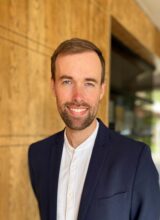
Forest Borch Planner, Embodied Carbon, City of Vancouver
Forest Borch, P.Eng., is a Planner with the City of Vancouver, where he leads implementation of embodied carbon policy and guidance under the Vancouver Building Bylaw. His work supports the City’s target of reducing embodied carbon emissions from new construction by 40% by 2030. With more than 10 years of experience across engineering, consulting, and municipal policy, Forest has helped organizations deliver practical strategies to reduce embodied carbon through design, material selection, and life cycle assessment. He contributed to the development of Engineers and Geoscientists BC’s Practice Advisory on Embodied Carbon and is an active leader with CLF BC and the Bio-Based Materials Collective. Forest regularly presents on embodied carbon policy and practice across Canada.
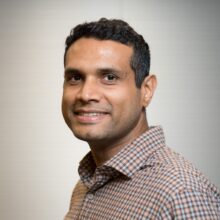
Harshan Radhakrishnan Acting Manager, Professional Practice Advice Program, Engineers and Geoscientists BC
Harshan Radhakrishnan is the Acting Manager of the Professional Practice Advice Program at Engineers and Geoscientists BC. He has considerable experience developing professional practice resources, regulating the engineering and geoscience professions, professional development, policy, and sustainability. At EGBC, Harshan has supported the integration of climate change into its Strategic Plan, led the development of its Organizational Climate Change Strategy, and helped incorporate climate risk management into professional practice guidelines. In his current role, he oversees advice and resources that support registrants in meeting their professional and regulatory obligations.

Caroline Butchart Senior Design and Sustainability Lead, ASPECT Structural Engineers
Caroline is a senior structural designer and sustainability lead at ASPECT Structural Engineers, with over a decade of experience working on large-scale, architecturally ambitious projects across the UK, Europe, and Canada. She holds a Master’s degree in Architecture and Structural Engineering from the University of Leeds and has focused her career on reducing construction-related emissions. Specializing in low-carbon design and design for disassembly, she is particularly passionate about integrating circular strategies into the built environment.
Caroline is an active voice in the field, serving on the CAGBC Technical Advisory Group on Embodied Carbon, contributing to the EGBC Practice Advisory on Embodied Carbon for Structural Engineers, and volunteering with the Carbon Leadership Forum BC Chapter.

Rory Roberts Project Engineer, Director of Sustainability, Glotman Simpson
Rory Roberts, P.Eng., is Director of Sustainability and a Project Engineer at Glotman Simpson Consulting Engineers. He leads the firm’s sustainability initiatives, with a focus on embodied carbon reduction, life cycle assessment, and the integration of sustainability into structural engineering practice. As both a sustainability leader and practicing engineer, Rory works with project teams to ensure environmental goals are achieved through practical and economic solutions, targeting early design efficiencies to combine cost savings and embodied carbon reduction. His recent work includes leading Glotman Simpson’s online blog series ‘On Track’, embodied carbon studies, internal tool development, and policy-focused research – including a case study evaluating the embodied carbon of the Sen̓áḵw development against the Vancouver Building By-law and a review of the embodied carbon savings for the mass timber North Shore Neighborhood Phase 2 tower.
- Early
- $65
- Regular
- $85
Presenting Partner