Wednesday, February 11
My Cart9:00 AM – 10:00 AM
Building Affordable Housing With Competitive Timber Solutions
ConEd Credits: AIBC 1 Core; BC Housing 1 CPD (Construction technology)
Location: Level 2: Rooms 208/209
- Architecture
- Construction & Trades
- Engineering
- Technology, Innovation & Smart Buildings
- Housing Planning, Development & Supply
- WoodWorks at BUILDEX
- Prefabrication, Modular & Offsite Construction
- Housing Solutions
Building Type: Institutional, Mixed-Use, Residential: Multi-Unit
Partners: WoodWorks
This dynamic session brings together industry leaders to share real-world strategies for driving cost competitiveness and thoughtfully designed homes. From innovative construction methods like prefabrication and mass timber to new technologies shaping the future of building, attendees will hear what works, what doesn’t, and why. This session will also explore the power of partnerships and collaboration models that unlock new pathways for delivery, along with insights into financing, funding, and regulatory solutions that can make or break a project. Join this presentation for practical takeaways and fresh ideas to help scale the impact of affordable housing.
Speakers

Annabelle Hamilton Technical Manager, Planning and Development, WoodWorks BC
Following the completion of her postgraduate degree from Ulster University in Northern Ireland, Annabelle has worked for several multi-family development companies, overseeing various multi-million dollar projects through the project lifecycle from acquisitions and municipal approvals to construction completion.
Robin Petri VP Development, Catalyst Community Developments Society
Robin Petri is VP of Development at Catalyst Community Developments Society, a nonprofit developer and operator of affordable rental housing. Robin has worked at Catalyst for over 10 years, developing, with a strong team of consultants and contractors, the 15 projects (over 1000 homes) that Catalyst now operates for its residents. Prior to Catalyst, Robin worked on River District while Director of Development at Wesgroup Properties and on Southeast False Creek and the Olympic Village while at the City of Vancouver. Robin has a Masters In Engineering from UBC and a Bachelor’s in Engineering from McGill University.

Noha Sedky Principal, CitySpaces
Noha is a Principal of CitySpaces Consulting, a leading provider of community planning and development consulting in Western and Northern Canada. With over two decades of experience, she has led impactful projects in policy, planning, research, and development, focusing on affordable housing, homelessness, and community-based impact. Part way through her career, Noha shifted her focus toward development, helping organizations bring their built project visions to life. She supports projects from early concept and feasibility, through design, approvals, construction, and completion. Together, Noha and the team at CitySpaces have supported non-profits and public institutions in building hundreds of non-market housing units and community facilities throughout Western Canada and the Territories. An active member of the Canadian Institute of Planners, Noha is often called upon to speak on issues of housing and homelessness, and is a passionate advocate for change in the housing sector.

Imelda Nurwisah Senior Development Manager, Community Land Trust
Imelda has ten years of experience in real estate development and urban planning. She is driven to create vibrant and resilient communities through a collaborative and interdisciplinary approach. As a Senior Development Manager at Community Land Trust, she works with municipalities, lenders, and consultant teams to successfully advance projects through the development process. Imelda has expertise in pro forma development, project management, lease negotiations, and public engagement. Leveraging her skills, she has delivered affordable housing to nonprofits, First Nations, and municipalities across British Columbia as well as providing recommendations to municipalities, faith-based groups, and private portfolio holders on feasibility and redevelopment strategies, affordable housing policy frameworks, and land use recommendations. Her current portfolio of work at CLT includes a 76-unit downtown infill development (under construction), a 112-unit Passive House high-rise (under construction), and nearly 400 units in pre-development.
- Regular
- $85
Session Sponsor

Presenting Partner

Stream Sponsor

10:30 AM – 11:30 AM
Digitally Accelerated Standardized Housing (DASH) to Speed Multi-Family Construction
ConEd Credits: AIBC 1 Core; BC Housing 1 CPD (Construction technology); 1 IDCEC HSW-Building Code
Location: Level 2: Room 217
- Architecture
- Construction & Trades
- Engineering
- Homebuilding & Renovation
- Interior Design
- Technology, Innovation & Smart Buildings
- Housing Planning, Development & Supply
- Prefabrication, Modular & Offsite Construction
- Housing Solutions
Building Type: Residential: Multi-Unit
DASH is a non-proprietary platform aimed at streamlining the delivery of high-quality, multifamily housing by leveraging digital tools, standardized designs, prefabricated building components, and a coordinated supply chain. This innovative approach enables jurisdictions to scale up housing solutions quickly, efficiently, and affordably while focusing on five core goals: speed through standardized prefabrication, cost-efficiency with reduced waste, scalability that adapts to regional needs, environmental sustainability, and collaborative partnerships across the housing ecosystem. This session introduces the DASH platform as a powerful tool for accelerating multi-family housing production, demonstrating how it engages stakeholders throughout the housing spectrum to collectively address barriers to faster development of housing supply, ultimately creating a more responsive and effective approach to meeting urgent housing demands.
Speakers

Esther de Vos Executive Director of Research, BC Housing
Dr. Esther de Vos serves as the Executive Director of Research at BC Housing. As a pracademic with housing research and public policy expertise from both academic and operational perspectives, Esther is passionate about housing and wellbeing and working towards everyone having a home to call their own. She holds the Certified Practitioner credential from the Chartered Institute of Housing Canada and her Doctorate of Social Sciences (Royal Roads University) focused on social housing in Canada and tenant wellbeing. Esther also holds a Master of Public Administration (University of Victoria), a Bachelor of Laws (University of Alberta), and a Bachelor of Arts (University of Alberta). She has taught courses on public policy as Associate Faculty for Royal Roads University since 2019 and will be teaching affordable housing policy and planning at UBC in Winter 2026.

Albert Lam Associate, Iredale Architecture
Albert Lam’s experience ranges from architecture, BIM, innovation, and apprentice carpenter. He brings detailed knowledge of construction methods and a practical approach to resolving on-site issues. His project portfolio includes a variety of heritage, commercial and residential projects, as well as innovation development in sustainability and housing. He is passionate about global and community stewardship. Albert routinely works within international teams and has delivered presentation on innovation to peers globally. He also works closely with City policy makers and staff, as well as directly with communities, on social and economic development, including Vancouver’s Chinatown, the Downtown Eastside, and Strathcona.

Chris Hill Founder, Chris Hill Consulting Inc.
Chris Hill is a seasoned expert in sustainable construction and offsite manufacturing, with over 20 years of experience in the construction industry. As a Chartered Professional Accountant (CPA, CMA) and Master Residential Builder, Chris combines his financial expertise with a deep understanding of building processes. He has designed, fabricated, and constructed numerous prefabricated buildings and light wood-frame structures, focusing on energy-efficient, climate-neutral designs. Chris is a key thought leader in the prefabrication and offsite construction sectors, advocating for scalable solutions to address housing shortages, particularly in underserved communities. A board member for organizations like (Past) Passive House Canada, (Current) Safer Homes BC, Small Housing BC, and Hiy̓ám̓ Housing, Chris is committed to driving innovation, sustainability, and efficiency in the construction industry.

Franck Murat Senior Advisor, Aliova Consulting Inc.
Architect by training, Franck Murat is a pioneer and recognized leader in collaborative BIM, with 20+ years of experience on major projects in Quebec and France. Known for simplifying complex topics, he shares his vision and expertise to drive industry progress. His mastery of collaborative processes, information management, and asset lifecycle makes him a key player in both project delivery and organizational transformation. With a human-centered approach and insight into technical, operational, and strategic issues, Franck identifies opportunities, overcomes challenges, and delivers impactful solutions. Beyond consulting, he contributes to digital transformation through education as a lecturer at Université de Montréal’s Faculty of Environmental Design. A frequent speaker, he addresses human and organizational aspects of digital change. He is also a founding member and former President of Groupe BIM du Québec.
Michael Epp Director of Housing Planning and Development, Metro Vancouver Housing
Michael is a land use and community planner whose work has ranged from neighbourhood planning and visioning projects in New York City neighbourhoods, to managing planning departments in BC communities. As Director of Planning in the City of North Vancouver, Michael championed policies that significantly increased the rental and non-market housing supply, with the City of North Vancouver one of only a small number of municipalities that delivered targeted levels of housing. In his current role, Michael is leading the delivery of 2,000 new affordable homes across the region and advancing policies to help ensure at least 15% of new housing is affordable.
- Regular
- $85
1:00 PM – 2:00 PM
Scaling Housing With Prefabricated Timber: Regulations-Ready Mid-Rise Prototypes
Location: Level 2: Rooms 208/209
- Architecture
- Construction & Trades
- Engineering
- Technology, Innovation & Smart Buildings
- Housing Planning, Development & Supply
- WoodWorks at BUILDEX
- Prefabrication, Modular & Offsite Construction
Building Type: Mixed-Use, Residential: Multi-Unit
Partners: WoodWorks
British Columbia faces an urgent housing shortage and mounting pressure to accelerate delivery of multi-unit housing. Recent code changes enabling mass timber up to 18 storeys create a unique opportunity to rethink how housing is designed, permitted, and built.
This session will present findings from the Housing Growth Innovation Program’s Prefabricated Timber Housing Systems project. Attendees will learn how pre-engineered, regulations-ready modular timber prototypes can streamline design and approvals, reduce embodied carbon, and speed construction through off-site manufacturing. The session will share strategies for integrating computational design, compliance analytics, and supply-chain insights to create adaptable, scalable mid-rise housing solutions. Geared to architects, developers, policymakers, and builders, participants will gain insight into how prefabrication and digital tools can de-risk projects, reduce permitting delays, and accelerate the delivery of sustainable, affordable homes in B.C. and beyond.
Speakers
Adrian Watson Principal, Design Director, Perkins&Will
Adrian Watson is Principal and Design Director at Perkins&Will, where he leads complex, high-profile projects that integrate sustainability, innovation, and design excellence. With over 30 years of experience, Adrian has shaped award-winning buildings and master plans across sectors, including higher education, infrastructure, civic, and housing. In his role as Design Director for the Vancouver and Calgary studios, Adrian leads a team of over 160 architects and designers. He is committed to the development design processes that look to the future, whilst believing that design excellence is attained by doing simple things very well.
Yann Tregoat Architect, Perkins&Will
Originally from France, Yann’s early career was spent in Amsterdam and Paris, working on the Paris 2024 Olympic Games Aquatic Centre. Through urban environment and professional exposure, he has developed a strong interest in mass timber and parametric design, as well as innovative sustainable building solutions. Since moving to Vancouver in 2021, he has worked on various mid-to-large-scale projects, from private development to civic buildings. He brings his own life and professional experience from Europe to his work while learning and further expanding his design expertise at Perkins&Will. Yann has two master’s degrees in both Architecture and Structural and Civil Engineering from the Institute of Applied Science of Strasbourg, France.

Solomon Fung Associate Principal, Introba
Solomon Fung is an Associate Principal at the multidisciplinary engineering firm Introba. Based out of their Vancouver office, he brings 15 years of experience to the mechanical team with a diverse project portfolio including mid- and high-rise mixed-use residential buildings, affordable housing, commercial & office buildings, passive house design, and healthcare. With a keen interest in innovation, Solomon leads his team in pursuit of simple solutions that are replicable for the industry.
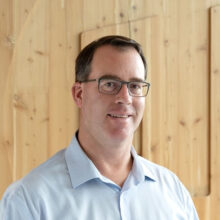
Brent Olund Partner, Principal, Credos
Brent Olund is a Professional Engineer, a Gold Seal Project Manager, and holds an MBA from the Richard Ivey School of Business. Brent’s 28 years in the construction industry to date started with industrial, commercial, and marine construction and included many years of focus on residential concrete high-rises, educational buildings, and mass timber construction. Brent is a nationally recognized expert and thought leader in the field of planning and control of mass timber structures, has worked with design teams through validation of several upcoming mass timber building assembly systems, and has designed and patented a new lateral structural system for use in these buildings. Brent believes that the highest purpose of his efforts is helping solve the housing crisis by implementing building systems toward improved productivity of construction.

Andrew Blackie Structural Designer, ASPECT Structural Engineers
Andrew enjoys a diverse engineering background, ranging from adaptive reuse of heritage buildings through to the development of modular construction systems. As a common thread across his body of work, he brings expertise in digital workflows and parametric design to deliver an efficient, modern form of building design. Andrew graduated with a Master’s in Structural & Architectural Engineering from the University of Strathclyde in 2016 and has since gained almost a decade of experience between the UK and Canada. He joined ASPECT in 2025, where he has been developing strategies to deploy mass timber at scale and at pace. Andrew’s focus is bridging the gap between conventional and off-site construction, easing the transition away from carbon-intensive materials through a kit-of-parts approach to building structures.

Halil Erhan Professor of Interactive Systems and Design Director of Computational Design Lab, SFU School of Interactive Arts and Technology
Dr. Halil Erhan completed his undergraduate studies at Middle East Technical University (METU) before earning a master’s degree at Clemson University, where he specialized in integrating 3D models into building design. He received his Ph.D. in Design Computation from Carnegie Mellon University, with a focus on generating design requirements. Currently, Dr. Erhan serves as a professor at Simon Fraser University and leads the Computational Design Laboratory. His interdisciplinary research approaches design as a cognitive and collaborative problem-solving process, aiming to develop effective tools that enhance the capacities of creative practitioners. He and his team create and test innovative, human-centered computational design tools. Dr. Erhan founded a research initiative called “Design Analytics,” which uses data from Performance Predictions to facilitate design space exploration through interactive visualizations. He collaborates with industry partners to encourage the adoption of new tools in the AEC sector.
- Regular
- $85
Presenting Partner
Stream Sponsor
1:00 PM – 2:00 PM
Precast Concrete for Mid-Rise Residential in BC
ConEd Credits: AIBC 1 Core; BC Housing 1 CPD (Construction technology)
Location: Level 2: Room 220
- Architecture
- Engineering
- Homebuilding & Renovation
- Technology, Innovation & Smart Buildings
- Housing Planning, Development & Supply
- Prefabrication, Modular & Offsite Construction
- Housing Solutions
Building Type: Mixed-Use, Residential: Multi-Unit
Partners: CPCI
Precast concrete has become a popular method of housing construction in western Canada. However, there is still relatively little precast presence in BC. Precast concrete can be an important part of the solution to BC’s housing supply challenges. The BC housing market needs a more diverse material supply chain, more prefabricated construction, and more resilient buildings. Precast concrete can fulfill all these needs. This presentation will examine how precast concrete can work in BC mid-rise residential construction, with examples and lessons learned from recent projects in Alberta. The advantages and limitations of the system will be discussed. The audience will see what type of projects are suited for precast and take inspiration on how it might work for their projects.
Speakers

Ray Li Technical Representative, Western Canada, Canadian Precast/Prestressed Concrete Institute
Ray is the staff liaison for CPCI Western Chapters (BC, AB, and MB/SK) and CPCI’s Sustainability, Safety, and Productivity committee. He oversees technical inquiries, provincial codes and standards, and industry education in Western Canada. Ray also leads CPCI’s efforts related to net-zero and life cycle assessments.

Kelly Grubb Principal, Structural Engineer, Grubb Engineering
Kelly is the founder and principal structural engineer of Grubb Engineering. He has over 30 years of experience in structural design utilizing all major engineering materials. His team over the past decade has been heavily involved within the precast concrete industry including plant engineering support, precast component design, modelling with BIM, and structural design of numerous precast buildings throughout western Canada.
- Regular
- $85
Presenting Partner

2:30 PM – 3:30 PM
Tall Timber and Affordable Housing: A Case Study
ConEd Credits: AIBC 1 Core; BC Housing 1 CPD (Construction technology)
Location: Level 2: Rooms 208/209
- Architecture
- Construction & Trades
- Engineering
- Homebuilding & Renovation
- Technology, Innovation & Smart Buildings
- Housing Planning, Development & Supply
- WoodWorks at BUILDEX
- Prefabrication, Modular & Offsite Construction
- Housing Solutions
Building Type: Mixed-Use, Residential: Multi-Unit
Partners: WoodWorks
As cities face growing pressures around affordability, climate resilience, and livability, innovative projects like Catalyst’s 18-storey CLT rental development in North Vancouver offer necessary solutions. Targeted toward architects, engineers, developers, and municipal leaders, this session explores sustainable mass timber construction and affordable housing. Attendees will gain insights into using CLT in construction and the unique challenges. In-depth review of challenges such as structural grid constraints, moisture protection, and prefabricated balcony systems, and how the team transformed these into creative solutions. Furthermore, it will provide insight into integrated mixed-use programming, BIM-enhanced coordination, and the permitting process for tall wood buildings, with practical takeaways for implementing similar projects in other cities.
Speakers

Rhys Leitch Principal, Integra Architecture Inc.
Rhys Leitch has been a principal at Integra since 2018, he has worked on award-winning projects ranging from sustainable design, high-end single-family, multi-family, and mixed-use residential developments. Originally from Australia, Rhys brings a unique approach to contemporary west coast architecture, paying special attention to the way materials, massing, and design respond to the context of a site. Recently his focus has been CLT mid and high rise projects, pushing the boundaries in different mass timber housing typologies.
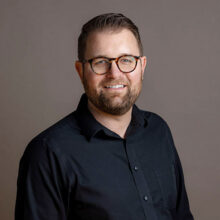
Sean Binns Project Director, Kindred Construction
Sean is a proven construction leader with over 20 years of experience delivering major residential and commercial projects across the UK and Canada. As Project Director at Kindred Construction, he leads complex builds and champions innovation in mass timber, Passive House, and modular construction. A mentor and speaker, Sean fosters industry talent through strong partnerships with local universities.

Harrison Glotman Principal, Glotman Simpson Consulting Engineers
Harrison Glotman is a Principal at Glotman Simpson with several years of experience working on complex projects across Canada and the U.S. Prior to joining Glotman Simpson, Harrison worked on high-end homes and retrofits in some of the most iconic buildings in New York and San Francisco. He completed his Master of Science in Structural Engineering with a full scholarship to Stanford University where he specialized in seismic engineering. The knowledge gained through this degree has proven to be incredibly valuable in building design on the West Coast.
- Regular
- $85
Session Sponsor
Presenting Partner
Stream Sponsor
Thursday, February 12
My Cart10:00 AM – 11:00 AM
Homebuilding & Renovation Keynote – The Future of Modular and Offsite Housing
Location: Tradeshow Floor: BUILDEX Main Stage (Booth 843)
- Construction & Trades
- Homebuilding & Renovation
- Technology, Innovation & Smart Buildings
- Housing Planning, Development & Supply
- Prefabrication, Modular & Offsite Construction
Building Type: Residential: Multi-Unit, Residential: Single-Unit
This keynote will explore how modular and offsite construction are addressing housing challenges across low-density and medium-density developments. Panelists will discuss technological innovations, emerging financial models, and the roles of the private and public sectors in advancing offsite solutions. Attendees will gain insights into the opportunities and challenges shaping the future of housing through modular and offsite approaches.
Pre-registration for this session is required. Admission will be granted on a first-come, first-served basis.
Speakers

Jake Fry Founding Partner / Principal, Smallworks Studios / Laneway Housing
David J. (Jake) Fry is the founder and principal of Smallworks Studios and Laneway Housing Inc., a pioneering real estate development and design–build firm specializing in sustainable small homes. His projects are designed to maximize land efficiency and market value while maintaining affordability, offering enduring returns for homeowners and strengthening the communities in which they are built. By integrating advanced building science with hand-crafted finishes, Jake has demonstrated that innovative, sustainable housing can also be financially sound and scalable. As an industry leader, Jake was instrumental in advising the City of Vancouver on its original laneway housing bylaw and has since worked with municipalities across Canada to create zoning frameworks that expand affordable housing options. His expertise has positioned him as both a policy influencer and a successful developer, bridging innovation in housing with pragmatic real estate practices. In 2012, Jake co-founded Small Housing BC (SHBC), a non-profit dedicated to advancing small housing solutions.
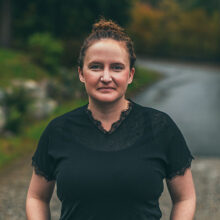
Lesa Lacey President, CHBA & Business Manager, Lacey Developments Ltd.
Lesa Lacey is Business Manager at Lacey Construction – a custom home builder, renovator, and commercial builder based in Mission – and a 5-time Custom Home Builder of the Year. Ms. Lacey is active in the community, including as president of CHBA-BC, Past Chair of the BC Construction Safety Alliance, and a board member with CORCAN, Skills Canada BC, the University of the Fraser Valley, and the Mission Association for Community Living. Ms. Lacey is also a founding member of the Fraser Valley Women in Construction Group and a founding member of the CHBA Fraser Valley Boot Bank. She is the recipient of the President’s Award from the Mission Chamber of Commerce, Member of the Year Award from CHBA BC, and Three Time President’s Award from CHBA Fraser Valley. In her volunteer roles, Ms. Lacey is passionate about volunteering to support women in trades and trades as meaningful careers – including volunteering with Skilled Trades BC, Correctional Service of Canada, and Defy Ventures.
Lisa Helps Executive Lead, Project Acceleration, BC Housing
As Executive Lead for BC Builds Project Origination at BC Housing, Lisa focuses on accelerating affordable home delivery for middle-income British Columbians through low-interest loans and grants. Previously, Lisa served two terms as Mayor of Victoria, B.C., where my professional work centered on urban transformation, addressing housing, climate change, and reconciliation. Lisa is passionate about realizing big ideas and fostering collaboration across diverse groups to build strong, resilient communities.

Joe Geluch CEO, Naikoon Contracting Ltd.
Joe is a Red Seal Carpenter, a Gold Seal Project Manager, a Certified Housing Professional, and CEO of a boutique, full-service construction firm that has managed a roster of award-winning, high-performance prefab projects using a wide variety of materials and technologies, including structural insulated panels, cross-laminated timber insulated panels, hybrid steel and mass timber, and mass timber columns and beams. Joe exploits traditional practices and digital and project management innovation.
- FREE
10:30 AM – 11:30 AM
Prefab at 837 Beatty: Washroom Wall Panels – There’s More to Prefab Than Most Realize
ConEd Credits: AIBC 1 Core
Location: Level 2: Room 220
- Architecture
- Construction & Trades
- Property Management & Building Operations
- Engineering
- Technology, Innovation & Smart Buildings
- Prefabrication, Modular & Offsite Construction
Building Type: Commercial, Institutional, Residential: Multi-Unit
There’s more to prefab at 837 Beatty than mass timber. Attendees will learn about pilot pre-designed washroom wall-panel kits that are built off-site with sequenced delivery – turning bathrooms into a place-connect-verify exercise. Learn about RFIs/rework, logistics and safety, QC traceability, and cost predictability. Attendees will see model progression and hear about single cut-dimensions, penetrations, connections, tolerances, and MEP – plus how jigs, steady cadence, and protected packaging enabled floor-by-floor delivery. Attendees will also learn about field results that include fewer hoists, shorter walks, cleaner floors, earlier inspections, more consistent finishes, and why “no VDC, no prefab” is a workflow, not a slogan. The session will conclude with what’s next: a 1:1 bathroom-kit mock-up, risers and corridor service zones, a digital tote program for small-parts control, and a pragmatic “start tomorrow” playbook with workforce wins that right-skill tasks, improve ergonomics, and attract new talents.
Speakers
Kristof Hebel Manager, Prefabrication + Offsite Construction, ETRO Construction
Kristof Hebel bridges the gap between big-picture goals and on-the-ground execution. With over 10 years of expertise in project management, especially in prefabrication and off-site construction, he translates complex requirements into clear,actionable steps. Adaptable and proactive, Kristof ensures teams feel supported with the resources they need while driving innovative solutions. A strong communicator and problem-solver, he refines ideas into successful strategies. Committed to collaboration and continuous improvement, Kristof empowers teams, instills client confidence, and advocates for knowledge-sharing to push the industry forward.
- Regular
- $85
1:00 PM – 2:00 PM
Innovation, Collaboration, and Prefabrication: Managing Time, Cost, and Risk on High Performance
ConEd Credits: 1 BOMI CPD; AIBC 1 Core
Location: Level 2: Rooms 218/219
- Architecture
- Construction & Trades
- Property Management & Building Operations
- Engineering
- Homebuilding & Renovation
- Technology, Innovation & Smart Buildings
- Prefabrication, Modular & Offsite Construction
Building Type: Commercial, Institutional, Mixed-Use, Residential: Multi-Unit
Partners: ZEIC
This session will feature an animated three-way discussion between an architect, a general contractor, and a manufacturer on common pitfalls to avoid and best practices to cultivate to deliver high-performance prefab projects that effectively manage time, cost, and risk. Attendees will be actively engaged in this dialogue. Panelists will draw from their experience on multiple award-winning projects using a wide variety of prefabricated materials, technologies, and approaches in wood frame and mass timber construction. Topics include innovations in digital design, interdisciplinary collaboration, procurement, project cycle, finance, site organization, and risk management.
Speakers
Alex Boston Principal, Boston Consulting
Alex is a policy, planning, and engagement innovator dedicated to advancing elegant solutions to complex problems. As Director of Community Climate & Energy at Golder Associates, Alex has led multiple award-winning projects delivering deep GHG reductions. He initiated the Local Solutions to Mid-Rise Mass Timber Program at SFU Renewable Cities, where he served as ED. Collaborating with the Zero Emission Innovation Centre, he recently established the Local Government Offsite Construction Accelerator.
Joe Geluch CEO, Naikoon Contracting Ltd.
Joe is a Red Seal Carpenter, a Gold Seal Project Manager, a Certified Housing Professional, and CEO of a boutique, full-service construction firm that has managed a roster of award-winning, high-performance prefab projects using a wide variety of materials and technologies, including structural insulated panels, cross-laminated timber insulated panels, hybrid steel and mass timber, and mass timber columns and beams. Joe exploits traditional practices and digital and project management innovation.

Mesa Sherriff Associate Principal, ZGF Architects
Mesa is an accomplished architect and urban designer with 15 years of experience working and designing with wood. He has a keen focus on innovative construction methodologies, particularly mass timber and modular construction, his professional journey reflects a deep commitment to addressing crucial social and environmental challenges within the built environment. Mesa is adept at leveraging his expertise across a spectrum of projects, ranging from small-scale conceptions to complex, large-scale initiatives, with consideration for community development, equity, and sustainability. Mesa’s recent contributions to design guidelines, urban integration studies, and ongoing dialogues surrounding mass timber and mid-rise residential construction underscores his commitment to design as a process for shaping sustainable and inclusive urban environments.

Devon Parkinson Senior Project Manager, Kalesnikoff Mass Timber
Devon is a Senior Project Manager specializing in Mass Timber manufacturing and construction projects. He has overseen complex structural packages throughout North America, including Design Assist, shop drawing preparation, material and hardware procurement, fabrication, logistics, and installation. Collaboration with designers, manufacturers, and builders allows Devon to have a unique perspective on project delivery challenges and best practices, including collaboration, procurement strategy, digital design, coordination workflows, and risk management.
- Regular
- $85
Presenting Partner

1:00 PM – 2:00 PM
Prefab Solutions for Transitional and Affordable Housing
ConEd Credits: AIBC 1 Core; BC Housing 1 CPD (Construction technology)
Location: Level 2: Room 217
- Architecture
- Construction & Trades
- Homebuilding & Renovation
- Technology, Innovation & Smart Buildings
- Prefabrication, Modular & Offsite Construction
- Housing Solutions
Building Type: Mixed-Use, Residential: Multi-Unit
This session will explore how prefabricated, panelized construction can help bridge the gap between emergency shelters and permanent housing, while also offering scalable solutions for municipalities facing broader housing challenges. Using Two Steps Home as a case study, the speakers will discuss how prefab approaches can deliver durable, sustainable, and rapidly deployable housing, and how these lessons can inform strategies for affordable and supportive housing across Canada.
Speakers
Jackson Wyatt CEO, CABN
Jackson Wyatt is the CEO and Founder of CABN, a Canadian leader in sustainable housing solutions. He previously founded and led Greenlid, a widely successful sustainable products company recognized across North America for its compostable consumer goods. Building on this entrepreneurial success, Jackson launched CABN during the COVID-19 pandemic with the goal of making sustainable housing more attainable. At CABN, he has pioneered CABN Core Technology™, a breakthrough construction system that integrates renewable energy, innovative materials, and Canadian-sourced timber to deliver net-zero, off-grid housing at scale. His work is redefining what’s possible in climate-resilient communities-combining speed, affordability, and sustainability to meet Canada’s urgent housing needs.

Aaron Budd Principal, Regenerative Practice, WW+P
Aaron is a partner at SvN and leads the firm’s Regenerative Practice, which integrates architecture and urbanism with natural systems. With over two decades of global experience in architecture, planning, and sustainability, he is known for pragmatic, climate-positive design solutions. Aaron brings together multidisciplinary teams to create zero-carbon, circular, and resilient communities, with current projects ranging from Toronto’s Ontario Line transit-oriented communities and a net-zero rental building, to the Keeseekoose First Nation Master Plan in Regina, a nature reserve in the Bahamas, and a mass-timber project in Collingwood. His career spans Toronto, Ghana, Indonesia, the Philippines, France, New York, and London.
- Regular
- $85
1:00 PM – 2:00 PM
Building Canada’s Future With Wood
Location: Tradeshow Floor: BUILDEX Main Stage (Booth 843)
- Architecture
- Construction & Trades
- Property Management & Building Operations
- Engineering
- Technology, Innovation & Smart Buildings
- WoodWorks at BUILDEX
- Prefabrication, Modular & Offsite Construction
- Housing Solutions
Building Type: Commercial, Industrial, Institutional, Mixed-Use, Residential: Multi-Unit
Partners: WoodWorks
This keynote will feature thought leaders in a podcast-style conversation exploring the evolving role of wood in Canadian construction. Through a series of rotating interviews, the discussion will highlight key themes including the rise of mass timber and tallwood buildings, the shift toward offsite construction, and wood’s potential to address the housing affordability crisis. The session offers a forward-looking yet grounded perspective on the opportunities and complexities shaping the industry.
Pre-registration for this session is required. Admission will be granted on a first-come, first-served basis.
Speakers

Russell Hixson Editor, SiteNews
Russell Hixson is an award-winning investigative journalist who spent the early parts of his career doing crime and courts reporting in the U.S. before stumbling into covering Canada’s construction sector. He spent eight years writing for the Journal of Commerce where he became well versed on the industry and its issues. He’s covered the federal budget from Ottawa and documented the early impacts of the COVID-19 pandemic while locked down in his bedroom. Hixson has developed a passion for the construction industry and seeks to convert others by sharing its stories through SiteNews.
Jana Foit Principal, Higher Education Practice Lead, Perkins&Will
Jana is a Principal and Higher Education Practice Lead for the Vancouver studio of Perkins&Will. She has over two decades of experience and has led several mass timber projects that include the Earth Science Building and Gateway Building at UBC, as well as the recently completed BCIT Tall Timber Student Housing project. In addition to being a frequent speaker and panelist on mass timber topics, Jana is a contributor to the Nail Laminated Timber Design and Construction Guide, the Survey of International Tall Wood Buildings, and the Technical Guide for the Design and Construction of Tall Wood Buildings in Canada.

Robert Malczyk Principal, Timber Engineering
Robert is one of a small number of university-trained, specialized timber engineers. Following graduation with a master’s degree from Warsaw Technical University, Robert came to Canada for an opportunity to study at UBC under the world renowned Borg Madsen. In 1997, Robert co-founded Equilibrium Consulting Inc. and worked on a number of award winning buildings including the Art Gallery of Ontario Galleria Italia with architect Frank Gehry. In 2021, Robert co-founded Timber Engineering Inc. He is currently working on projects all over Canada, in the USA and in Asia. Robert’s specialty is a systems approach to Mass Timber with emphasis on structural and energy efficiency.

Andrew Stiffman Vice President, Construction Services, Kalesnikoff
Andrew has diverse project experience: single-family homes, Canada’s largest residential passive house project, and low-rise and mid-rise mass timber projects. At Kalesnikoff Mass Timber, Andrew oversees the project life cycle of all mass timber and prefabricated projects, from initial conversations through to successful project completion. His background in building science, development management, and hands-on high-performance construction allows him to leverage technical expertise and creativity to lead multidisciplinary project teams.
- FREE
Presenting Partner
2:30 PM – 3:30 PM
Prefab Pathways to the Missing Middle of the Missing Middle
ConEd Credits: AIBC 1 Core; BC Housing 1 CPD (Construction technology); 1 IDCEC HSW-Building Code
Location: Level 2: Room 220
- Architecture
- Construction & Trades
- Engineering
- Homebuilding & Renovation
- Interior Design
- Housing Planning, Development & Supply
- Prefabrication, Modular & Offsite Construction
- Housing Solutions
Building Type: Residential: Multi-Unit, Residential: Single-Unit
The gap between single-family homes and large developments is shrinking as more municipalities permit multiplex housing. However, for many homeowners, these projects remain costly and may not suit needs like aging in place or multi-generational living. This session will explore how contractors, prefab companies, designers, and owners can collaborate to create two or three innovative housing units on a single property.
Speakers

Curtis Krahn Founder, Principal, Synthesis Design Inc.
As the founding principal of Synthesis Design, Curt’s role has evolved over the years from designer to visionary and mentor. In the early years, Curt was building the design team that would continue to move Synthesis Design forward by not only designing relevant homes, but by remaining influential. A driving force for the studio has always been the quest for a "better way to build" through prefabrication and factory-built solutions. For the past 10 years, his focus has been creating and developing innovative housing typologies to help house more people, more affordably, all while remaining in the communities they have grown up in. With the team firmly in place, each designer and staff member works together, always seeking to "combine elements to create a unified whole": A SYNTHESIS. As founder, Curt’s role is to look to the future, continuing the quest to mentor his team of creative designers and staff to take Synthesis Design to heights far beyond even his vision.

Julie Lepper Senior Interior Designer, Synthesis Design Inc.
Julie’s path to interior design began through art and textiles, first as a textile designer in India, then as a curator in Vancouver’s gallery scene, where she shaped collections and exhibitions for some of Canada’s most notable artists. As Senior Interior Designer at Synthesis Design, Julie brings a quiet rigor and thoughtful clarity to every project. Her work is defined by a deep understanding of materiality, proportion, and the way people live. With a refined eye for both contemporary and timeless design, she collaborates closely with clients to create homes that feel grounded, intentional, and uniquely their own. Rooted in the Pacific Northwest, Julie finds creative energy in the balance between nature and the built environment, often exploring Vancouver’s coastline and mountains with her family.
Pedro Serrano Senior Design Manager, Synthesis Design Inc.
Pedro’s passion for visual arts shaped his creative vision long before earning his B.A. in Architecture in Mexico. He began as a residential designer and later earned a Master’s in Sustainable Architecture in London, deepening his expertise in sustainable design. As a senior residential designer, Pedro balances creativity and precision, whether crafting intimate renovations or designing new residences. He values meaningful client collaboration, transforming their aspirations into thoughtful, functional spaces. With a background in painting, Pedro brings sculptural depth to 3D modeling, believing architecture should evoke emotion. Outside the studio, he finds balance through family, hockey, and painting.
Joel Barrett President, CEO, Barrett Group Custom Builders
Joel is the “hands-on” owner of BGCB and contributes his experience and wisdom to each and every project. He is a team player and strives to communicate clearly and regularly with our employees, homeowners, and architects. He is a real multitasking individual, golfing and fishing sometimes on the same day. Established in 2004, Barrett Group Custom Builders was formed out of a desire to construct beautiful, functional spaces that will be used, enjoyed, and admired for many generations to come. Since then, we’ve undertaken many custom projects, from early-stage forming and framing to large-scale renovations and restorations to complete design-build commercial and residential work.

Norm Morrison President, CEO, AJIA Custom Prefab Homes
Norm Morrison has been in the housing business all his working life. His warm and genuine personality is reflected across his entire staff, who seek to offer AJIA’s clients a wonderful experience. AJIA began in 1994, when Norm Morrison returned from Japan to his hometown in North Vancouver, BC, to raise a family. In Japan, Norm had built a successful home-building business, and upon his return, his very satisfied Japanese clients insisted that he continue to build for them. Rising to the challenge, Norm devised a way to prefabricate the home package panels with locally sourced, Canadian lumber and ship it overseas. And with that, AJIA – which means Asia in Japanese – was born.
- Regular
- $85